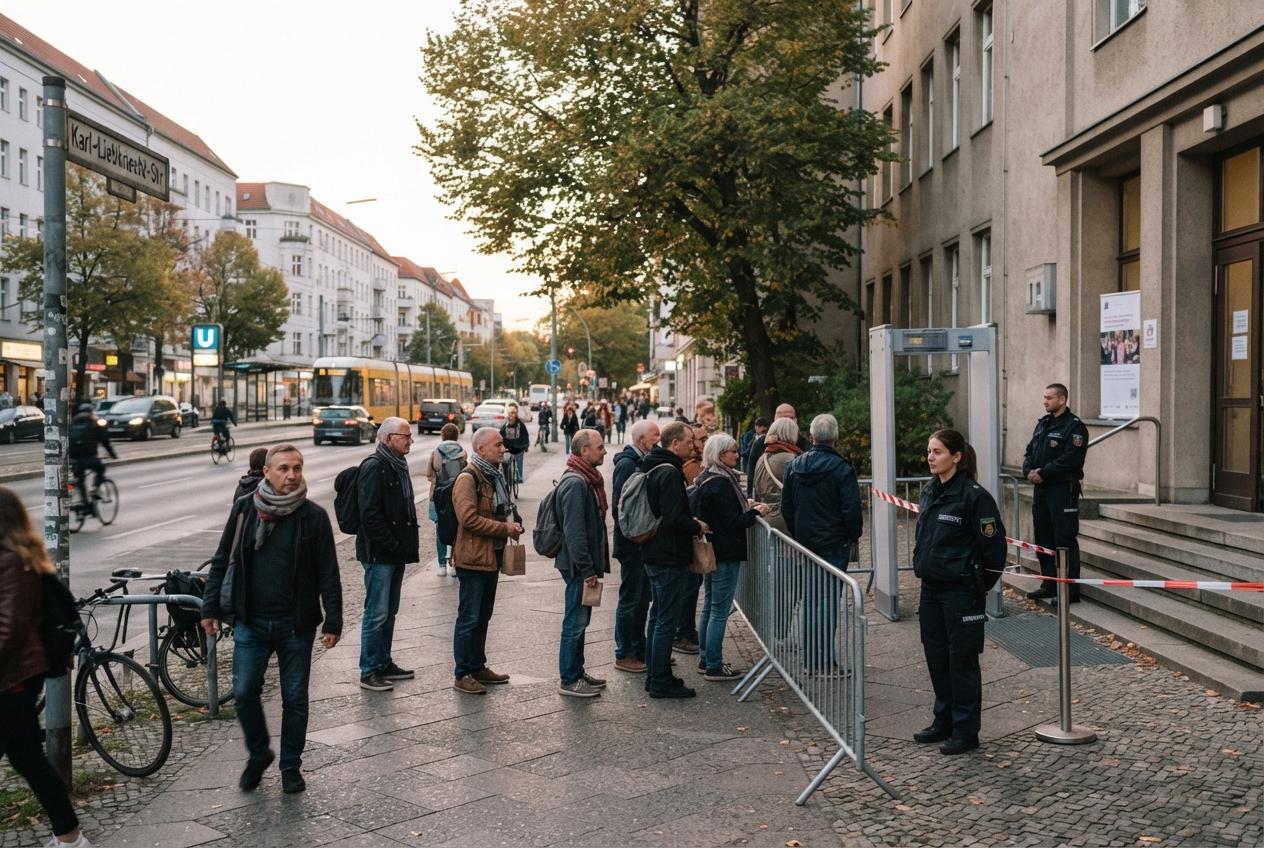
Shoppers, revelers and citizens are asking for safer street festivals after a deadly incident at Berlin Pride; city leaders, communities and police are rethinking how to protect public joy while preserving openness and spirit. This piece looks at practical security, community healing and why ceremonies of remembrance matter.
Essential Takeaways
- Immediate facts: A vehicle struck a Pride crowd in Berlin, killing one person and injuring many; police are searching for a suspect.
- Visible security: Increased, respectful police and barriers can make outdoor festivals safer without turning them into fortresses.
- Community healing matters: Rituals, vigils and symbolic acts help process grief and reaffirm inclusion.
- Design choices count: Temporary street architecture , barriers, bollards, signage , can be both functional and gentle on the festival atmosphere.
- Policy balance: Authorities must pair protection with clear communication, witness support and swift investigations.
What actually happened in Berlin , the scene and the shock
The most immediate image is a sudden rupture in what should have been a joyful street: a vehicle ploughing into people gathered for Pride, leaving one person dead and several hurt. Media outlets including the Los Angeles Times, Al Jazeera and Euronews reported the event as a deadly and chaotic incident that has left the city searching for answers and a suspect.
That jolt from celebration to tragedy changes how residents feel about public gatherings overnight. Emergency services, investigators and volunteers converged; people lit candles and asked questions out loud. For festival-goers and families, the emotional aftershock is sharp, and that shapes calls for both swift justice and careful healing.
Why visible protection helps , and how not to suffocate a festival
When an outdoor event becomes the target of violence, the instinct is to fortify everything. But there’s a difference between making people feel safe and making them feel watched. Coverage in CBS News and Salon highlights the public demand for stronger protective measures that still respect civil liberties and the spirit of Pride.
Practical steps include strategic vehicle barriers, crowd-flow design to avoid pinch points, and trained marshals who feel like hosts rather than enforcers. Cities can use temporary, removable bollards and plan entry routes so emergency services can still get through. A key tip: involve community groups in planning so safety measures read as care, not control.
Healing in public: rituals, remembrance and the “spiritual architecture”
When grief follows a festival attack, communities search for frameworks to process what happened. The lead story’s notion of a “spiritual architecture” , turning streets into corridors of remembrance , is one way to think about public mourning without descending into performative gestures.
Simple, humane ideas work well: quiet moments of silence at set times, permanent memorial benches, or temporary installations that allow people to leave messages and flowers. These acts acknowledge loss and help restore dignity. They’re also a practical bridge between immediate shock and longer-term resilience.
What police and city leaders can do , clarity, presence, and follow-through
Authorities need to act on two fronts: immediate security and transparent investigation. The Guardian and other outlets note that some attacks carry ideological motives, which raises the stakes for intelligence and community policing. But more officers alone won’t fix everything.
Leaders should communicate clearly about risks and responses, publish safety plans before major events, and set up rapid information channels for families and witnesses. Offer counselling and legal support for victims, and make public promises about accountability that are then followed by visible action. Accountability builds trust, and trust reduces panic.
Designing safer festivals that still feel inclusive
Practical design is where policy meets people. Think about sight-lines, lighting, accessible exits and staffed information points. Use soft materials, colourful barriers and clear signage so safety measures contribute to the festival aesthetic rather than detract from it.
Organisers can run tabletop exercises with emergency services and conduct walk-throughs at multiple times of day. Provide training for volunteers to spot distress and guide crowds calmly. And don’t forget accessibility: evacuation plans must consider mobility, sensory needs and languages spoken by attendees.
Closing line It’s a small set of changes , better planning, humane security, and communal rituals of healing , that can help festivals keep their heart while protecting the people who bring them to life.
Source Reference Map
Story idea inspired by: [1]
Sources by paragraph: