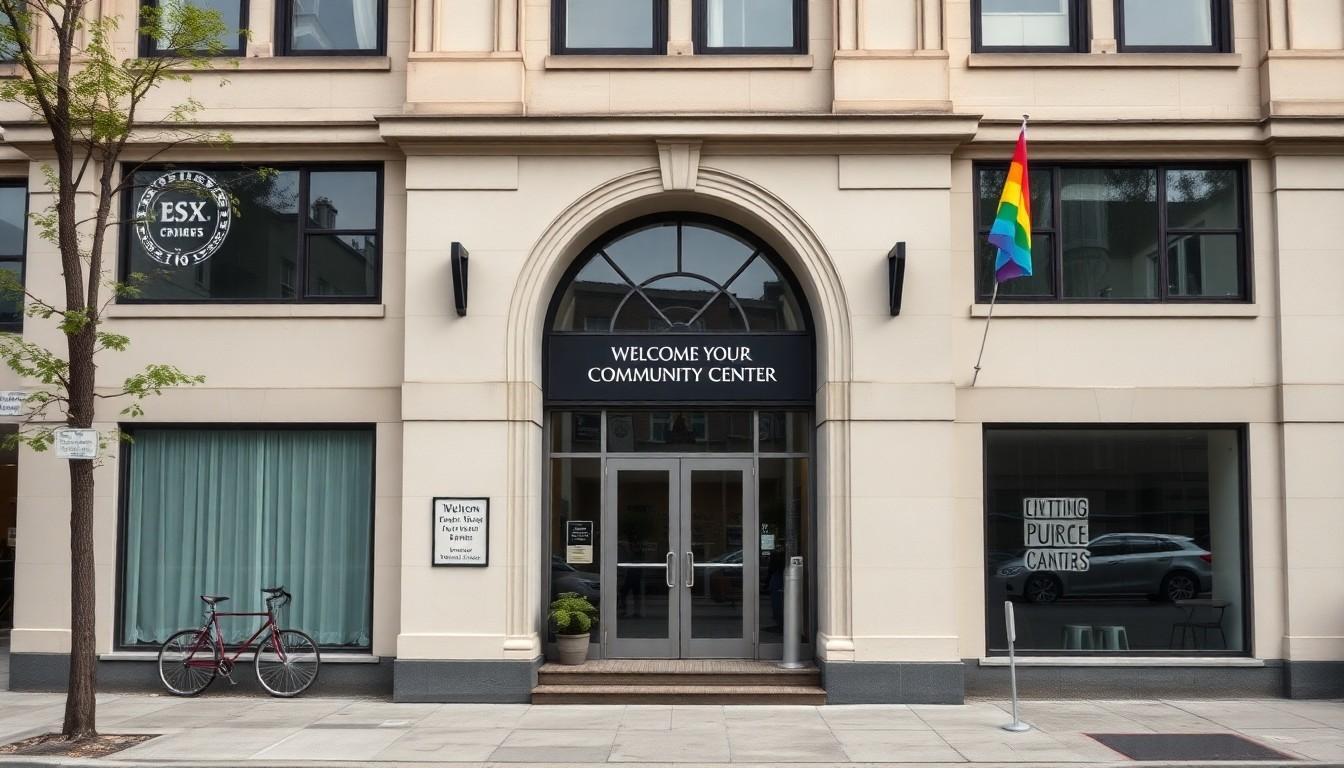
Discovering sober, LGBTQ+-affirming spaces has become a quiet revolution , offering safe, vibrant places to connect without alcohol or drugs, and proving that community can be joyful, sober and sustaining. Here’s what’s driving the trend, where to find these options, and why they matter for mental health and belonging.
Essential Takeaways
- Growing movement: Sober Pride events and alcohol-free venues are spreading from cities to regional communities, offering colourful alternatives to nightlife.
- Affirming care: LGBTQ+-competent treatment and recovery groups address minority trauma and gender identity, making sobriety feel inclusive.
- Varied options: You’ll find sober cafes, sports leagues, recovery homes, and specialised wellness centres with a friendly, queer-first vibe.
- Practical benefits: Alcohol-free spaces reduce triggers, support long-term recovery, and can improve mental wellbeing and social connection.
- How to start: Look for local community centres, recovery directories, or wellness clinics that explicitly state LGBTQ+ competence.
Why sober queer spaces are more than just booze-free rooms
The clearest change is psychological , these spaces feel breathable, lighter, welcoming in a way that doesn’t hinge on a drink in hand. According to coverage of the sober-Pride movement, organisers are intentionally creating environments that replace the ritual of bar culture with rituals of care, creativity and sport. For many queer people, that shift matters because alcohol and drugs were often intertwined with coping and survival. The new venues let people keep the joy and ritual of togetherness without the risk.
How inclusive treatment and services are changing recovery
Traditional addiction services have frequently missed the nuances of queer life, from marginalisation to identity-related stress. Providers and clinics that advertise LGBTQ+ competence are trying to bridge that gap, offering therapy and programmes that acknowledge minority trauma and gender experience. That means people don’t have to “leave themselves at the door” to get help, and recovery can be an affirming, identity-respecting journey , not a painful trade-off.
What sober queer spaces actually look like today
You’ll see creative, everyday formats: alcohol-free Pride parties, sober sports leagues, coffee shops that host queer meetups, and recovery houses tailored for LGBTQ+ clients. Community centres in big cities are running dry events and peer-led meetings, while wellness clinics and rehab programmes increasingly highlight queer-specialist services. This variety makes it easier to find something that fits your personality , whether you want a low-key book group or a high-energy sober ballroom night.
Practical tips for finding and choosing the right space
Start local: check your nearest LGBTQ+ community centre for calendars and directories. Look for explicit language about affirming care and queer competency rather than assumptions. If you’re seeking treatment, ask providers about experience with minority stress, trans-competent care, and queer peer support. For social spaces, try a daytime event or a small-group activity first to get a feel for the vibe without pressure.
The wider benefits: community, safety and long-term wellbeing
Sober queer spaces do more than reduce immediate risk , they rebuild social capital and offer sustainable belonging. People who might’ve avoided sobriety because it felt like losing community can now maintain rich social lives that reinforce recovery. And publicly visible sober options help normalise a variety of queer experiences, making Pride and everyday connection more accessible for everyone.
It's a small change that can make every gathering feel safer, livelier and more honest.
Source Reference Map
Story idea inspired by: [1]
Sources by paragraph: