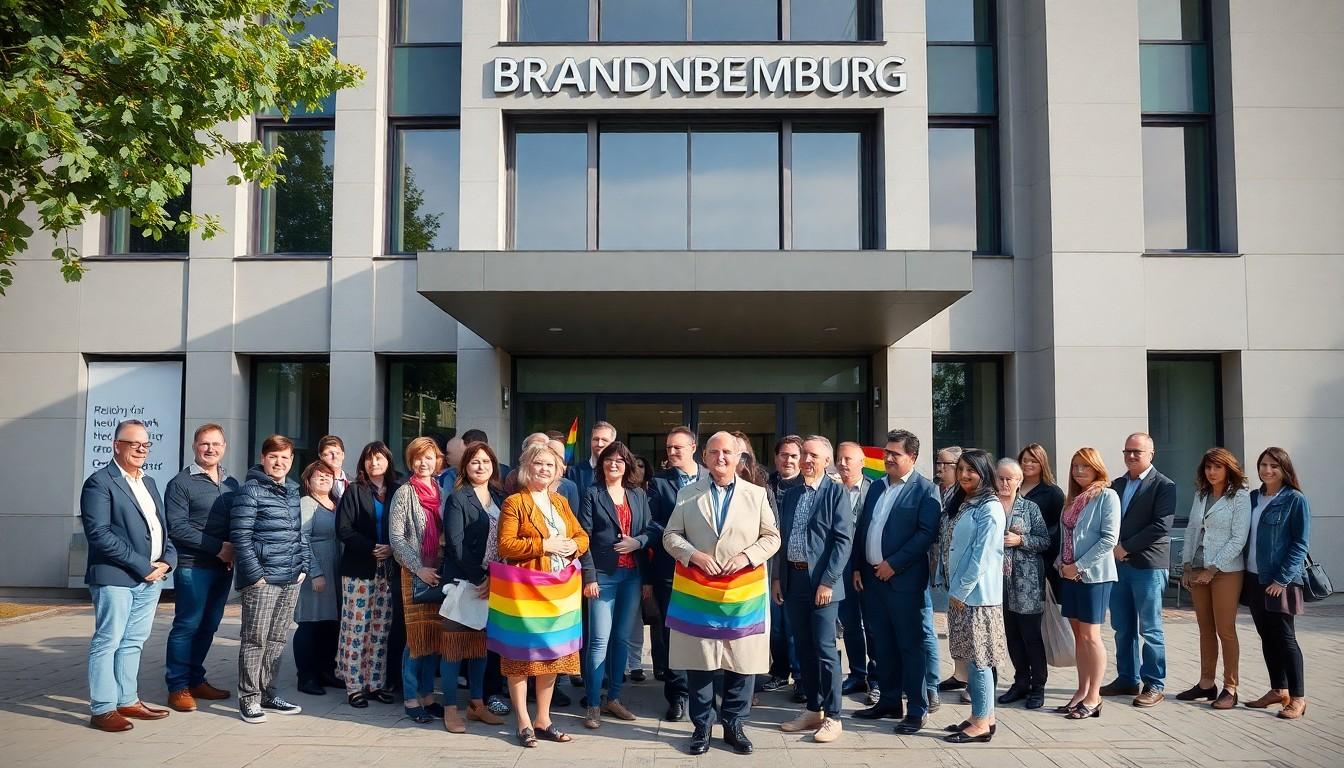
Notice how public solidarity is shifting from easy symbolism to deliberate action; Brandenburg’s social minister and community groups say the rainbow flag has become a political flashpoint, and visible support at CSDs now matters for safety, morale and practical backing.
Essential Takeaways
- Rising pressure: Brandenburg officials report increasing queer hostility and targeted attacks, leaving many people feeling less safe.
- Symbol turned flashpoint: What used to be a simple rainbow flag is now described by a minister as a contested political symbol.
- Visible solidarity helps: Politicians and civil-society groups are urging public presence at Christopher Street Day (CSD) events to make people feel seen.
- Funding and structures matter: Calls are growing for financial and organisational support to sustain queer events and security measures.
- Practical tip: If you plan to attend a CSD, check local organisers’ safety advice and consider arriving with friends to bolster community presence.
Why a flag became so charged , and what that feels like
The sharpest, simplest image here is a ripped or burned rainbow flag on a lamp post, and that visual change says a lot about how things have shifted emotionally. According to regional leaders, the environment for queer people in Brandenburg has been deteriorating for some time, with a sense of everyday insecurity replacing a previously more relaxed civic confidence. The rainbow used to be an uncontroversial sign of inclusion; now it's often treated like a provocation.
This matters beyond symbolism because visible hostility tends to translate into intimidation, fewer people showing up, and a quieter public life for queer citizens. Brandenburg’s social minister, who has responsibility for social cohesion, has begun to pair public statements with an offer of concrete support, saying he will turn up at CSDs and look at what funding or structural measures might help.
Politicians turning up at CSDs , gesture or strategy?
There’s a practical politics to presence: standing with marchers, listening to organisers, and being photographed under the flag sends a signal that an institution cares. The Amadeu Antonio Foundation and other groups have urged elected officials to be visibly present at events as a way to support victims and deter perpetrators from feeling unchecked.
Of course, presence alone won’t stop every attack. But organisers and activists say it can reduce the emotional toll on those affected and make it easier to argue for funding and security resources. For politicians, turning up becomes part of a broader strategy , not just a performative photo, but a chance to hear demands and translate them into policy.
Funding, structures and security , what to ask for
When community leaders talk about “structural” support, they mean predictable funding, secure venues, and help with policing or private security where needed. Foundations like the Amadeu Antonio Stiftung document how project funding works and why steady support is essential for local initiatives to plan ahead rather than react.
If you’re involved in organising or supporting events, practical questions matter: what insurance is in place, who pays for stewards, how will emergency communications work, and are there funds for legal follow-up after an incident? Simple, planned resources can make a march feel safer and keep organisers from burning out.
The role of civil society , why grassroots still keeps the scene alive
Grassroots groups are often the first to pick up the pieces after an attack, offering counselling, legal aid, or replacement flags. Their work is visible and quiet at once: handing out water at a march, coordinating safe routes, and repairing damaged symbols. Foundations and local governments can amplify this work by making funding accessible and flexible.
Civil-society actors also provide crucial legitimacy. When a minister or mayor shows up, it’s usually after grassroots groups have been sounding the alarm. Working together , organisers, funders, and public officials , creates layers of protection that a lone gesture can’t.
Looking ahead , what this means for everyday life in Brandenburg
We’re seeing a cultural tug-of-war that plays out on streets and at municipal meetings. If the push for more visible, structural backing succeeds, CSDs and similar events could regain the ease they once had. If not, quieter self-censorship and fewer public celebrations may become the norm, and that would be a loss for the whole community.
For anyone thinking of coming along to a parade or vigil: bring friends, follow organisers’ guidance, and don’t be surprised if organisers ask you to help by simply being present. Small acts of solidarity can change the atmosphere in a surprisingly short time.
It's a small change that can make every public celebration feel safer.
Source Reference Map
Story idea inspired by: [1]
Sources by paragraph: