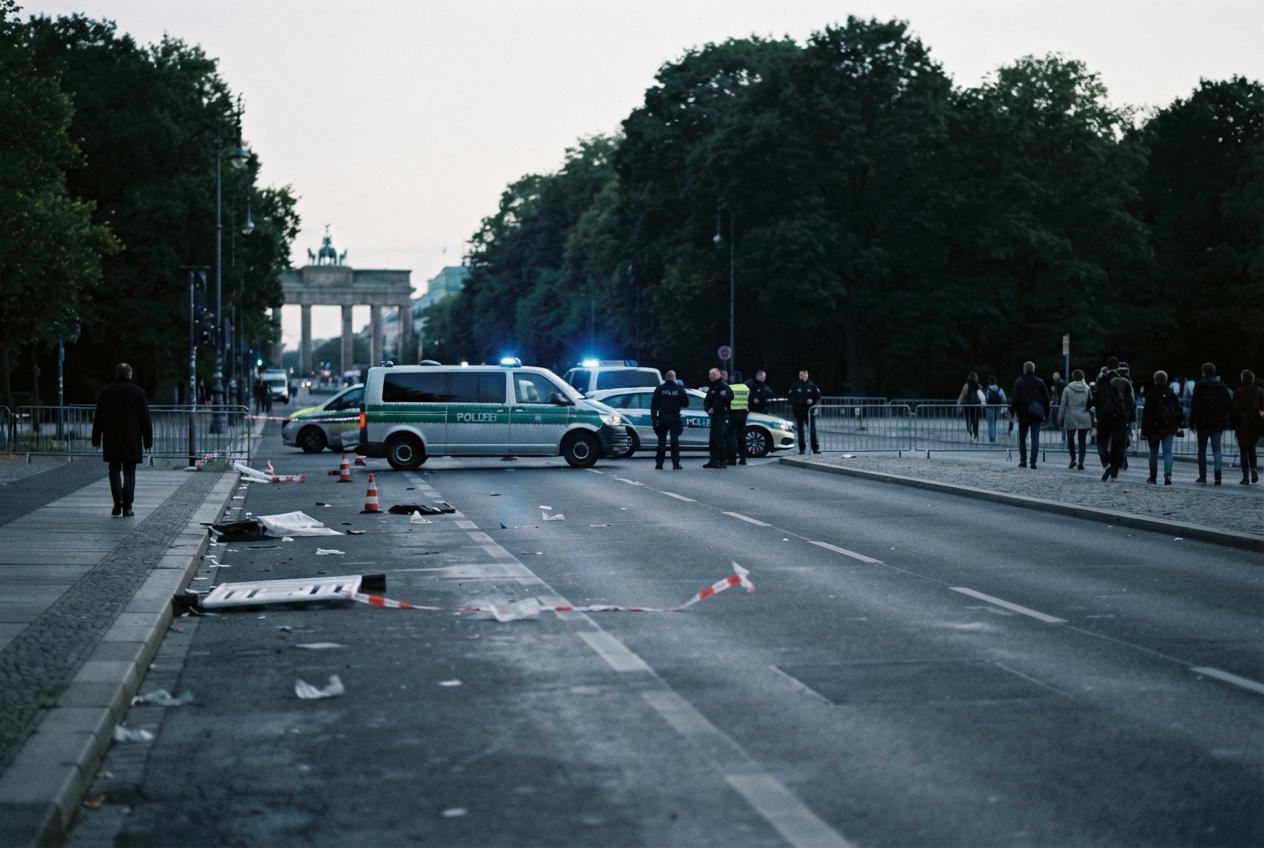
Shaken attendees and allies are still processing the CSD attack in Berlin , a joyful parade cut short, a city asked if it can still be a safe space, and everyday people wondering how to keep pride alive amid rising queerphobic violence. Here’s what happened, who spoke up, and what to look for next.
Essential Takeaways
- What happened: A vehicle struck a crowd near the Tiergarten close to the CSD route in the evening, killing one person and seriously injuring others, forcing the Brandenburger Tor area to be evacuated.
- Atmosphere before the attack: The parade earlier that day was exuberant, colourful and hot, with around 83 floats and thousands marching under the motto “Haltung ist hot.”
- Human impact: Witnesses described sudden panic, friends running for safety and a lingering fear among queer and non-white residents who had considered Berlin a refuge.
- Security and response: Heavy police presence, barriers and rapid deployments followed the attack; investigations and manhunt measures were reported by national outlets.
- Why it matters: The incident has amplified debates about rising queerphobic violence, the limits of public safety even at large, well-guarded events, and the need to protect public demonstrations.
A parade that felt like summer, then horror
The CSD parade rolled through Berlin in blazing sun, a 5.5km ribbon of colour from Potsdamer Platz toward the Tiergarten that felt part rave, part rally. Floats gleamed, drag performers posed and crowds danced under a relentless heat. Then, late in the evening, an hour after the party had wound down, a car ploughed into people near the Tiergarten and everything changed. According to national coverage, organisers evacuated the Brandenburger Tor area and emergency services rushed to the scene.
People I spoke to and those cited in reports emphasised the shock: one moment a joyful crowd, the next an emergency operation. That sudden rupture is what sticks. For many, a day that symbolised pride and protest now also carries grief and a raw sense of vulnerability.
Eyewitness voices: panic, fear and allyship
A Luxembourger who has lived in Berlin for years described both the joy of the parade and the dread afterwards. She watched the procession from Potsdamer Platz and later followed friends who found themselves close to the attack site; one friend ran in panic as armed officers moved toward the Brandenburger Tor. Those personal accounts mirror wider reporting that night by German broadcasters and news outlets, which noted frantic scenes and rapid police mobilisation.
Hearing these stories matters: they’re not abstract figures, they’re people who thought of Berlin as a safe harbour. Allies, performers and ordinary spectators shared a sense of sorrow and a plea not to let fear extinguish the day’s meaning.
Is Berlin still a safe space?
The question resonates loudly. Some long-time residents and queer creatives say Berlin once felt uniquely accepting; now they point to a worrying rise in incidents targeting queer people. Monitoring reports from the previous year showed hundreds of queerphobic incidents, and commentators say the real number is likely higher. That context makes the attack feel less like an isolated tragedy and more like part of a worrying trend.
Experts and community voices are asking for practical steps: better protection at large events, clearer reporting channels for hate crimes and public investment in prevention. Meanwhile, many attendees insist that cancelling Pride’s spirit would be a victory for the very hatred that fears it.
Security measures and the official response
Authorities had visible security , barriers, police buses and checkpoints , along the parade route, and fast, large-scale police responses were reported after the incident. Broadcasters and national outlets covered the ongoing investigations and deployment of units to secure the area and pursue suspects. Coverage underlined how, even with precautions, unpredictable acts can breach defences and inflict harm.
For future events, organisers and city officials will likely review access control, vehicle barriers and crowd management. Yet practical improvements have to be balanced with keeping marches open and accessible, a tricky but necessary conversation.
What attendees and organisers are saying now
Many are urging that grief not turn into hatred. Voices from the parade called for solidarity, continued visibility and resilience , to keep marching, protesting and celebrating the right to love and live openly. Podcast hosts and cultural figures who regularly discuss queer life and mental health have used their platforms to highlight ongoing discrimination and the need for communal care.
If you were at the parade or have friends affected, practical steps include checking on loved ones, using official reporting channels for incidents, and supporting local queer organisations providing trauma and legal support.
It's a small change that can make every demonstration safer and keep Pride alive in spirit.
Source Reference Map
Story idea inspired by: [1]
Sources by paragraph: