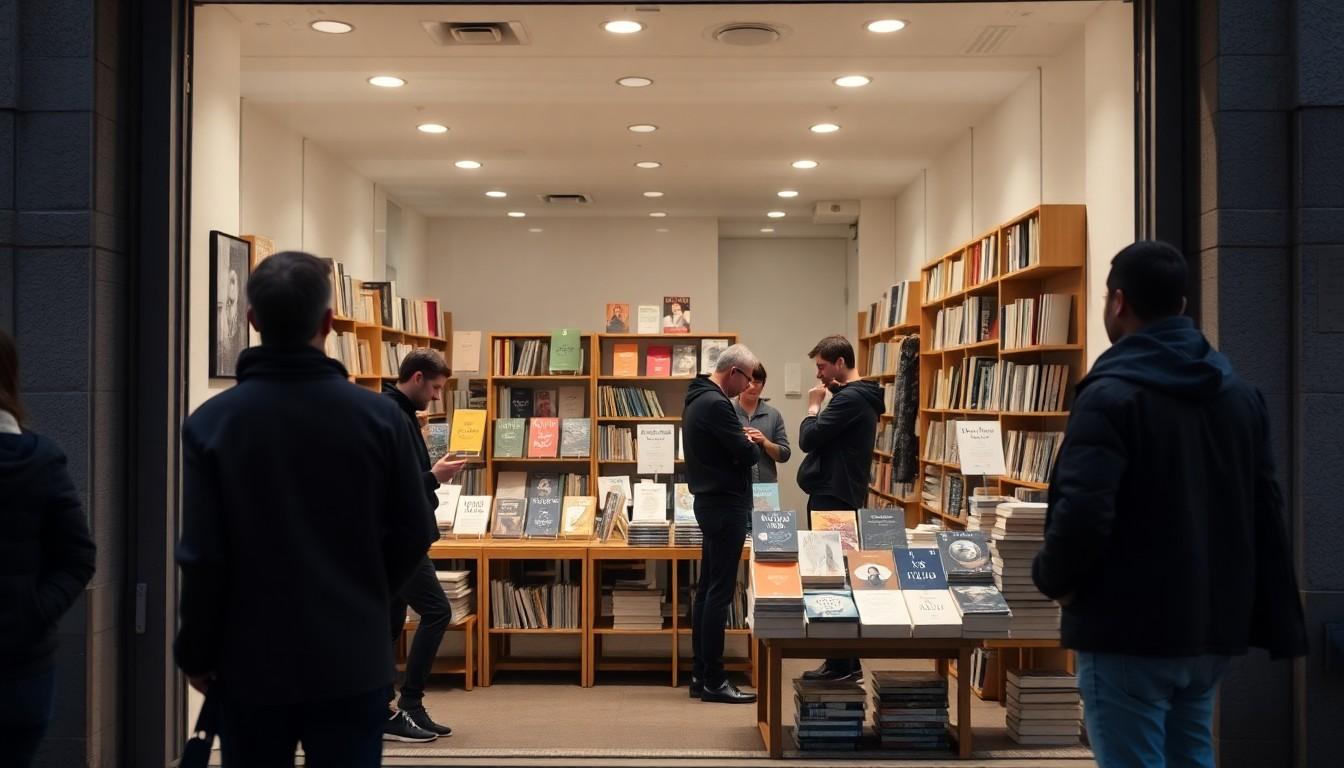
Watch as Aesop clears its shelves and turns boutiques into cosy micro‑libraries, giving away empowering books by LGBTQIA+ and women writers in Berlin, Brighton and Taiwan , a clever, feel‑good way to spotlight underrepresented voices and invite readers to take a free book home.
- What’s happening: Aesop replaces products with curated book collections in selected stores, creating temporary Queer and Women’s Libraries.
- Free takeaway: Visitors can browse and choose one complimentary book with no purchase required, a low‑barrier moment of discovery.
- Sensory note: The spaces feel quiet and tactile, with paper spines and a calm, contemplative atmosphere replacing shop buzz.
- Why it matters: These activations centre marginalised voices, encouraging reading, conversation and community in unexpected retail settings.
Aesop’s boutiques become literary refuges , quietly inviting and tactile
The most striking thing is the contrast: where you’d expect slick skincare bottles and testers, there are rows of books, soft paper covers and the gentle rustle of pages. According to Aesop’s announcement, the Queer Library and Women’s Library concept temporarily clears store shelving to showcase curated titles by LGBTQIA+ authors and women writers. It’s a deliberate sensory shift that slows people down, and it feels intimate in a way a standard shop rarely does.
The brand treats storytelling as part of its ethos, not just an add‑on to selling. Visitors are encouraged to linger, read blurbs, and take one title free of charge , a simple, generous gesture that makes the act of picking up a book feel ceremonial rather than transactional.
Why pop‑up libraries work for inclusion and discovery
These installations do more than promote reading; they create visibility. By placing books by marginalised authors in a familiar, well‑designed retail environment, Aesop normalises these voices and invites a diverse audience to engage. That’s the point: representation isn’t confined to specialist bookshops or academic spaces anymore.
For readers, it’s a low‑risk way to discover new authors. For someone who’s curious but unsure where to start, the chance to take a book home without buying anything lowers the barrier. It’s an outreach move disguised as a retail gesture , and it’s likely to resonate in cities with active literary scenes.
Where this year’s libraries are popping up and what to expect
This year’s activations include stores in Berlin, Brighton and several locations in Taiwan, reflecting a deliberately international roll‑out. Each venue is furnished with locally and globally relevant selections, so the shelves in Berlin won’t read exactly the same as those in Taiwan. That local curation makes each pop‑up feel rooted and thoughtful.
Expect calm, well‑spaced displays, staff who can talk about the project, and a sign explaining you can choose one book to take home. If you’re planning to visit, arrive early , the best titles can go quickly , and bring a bag if you fancy taking more than one to swap later.
How to make the most of a micro‑library visit
Treat the visit like a mini reading date. Stand, flip, read a paragraph or two; let your instincts lead you. If you’re buying skincare anyway, pause and browse first , you might discover a memoir or essay collection that sticks with you longer than a product.
If you want to support the programme beyond picking a free book, consider borrowing it from a friend, recommending it locally, or buying another copy for a community centre or school. These small follow‑ups amplify the act of giving and help the writers reach new readers.
What it signals for retail and culture going forward
Aesop’s project shows how retail spaces can become civic places, not just points of sale. By foregrounding underrepresented authors, the brand is helping shift how people think about both shopping and cultural access. It’s a tidy example of how experiential retail can serve civic or cultural aims without heavy‑handed PR.
Look ahead and you can imagine other brands adopting similar gestures: a florist running a nature writing swap, a tech store hosting feminist sci‑fi selections. For now, Aesop’s libraries are a welcome reminder that books still have the power to pause a day and start a conversation.
It’s a small change that can make every visit feel more generous.
Source Reference Map
Story idea inspired by: [1]
Sources by paragraph: