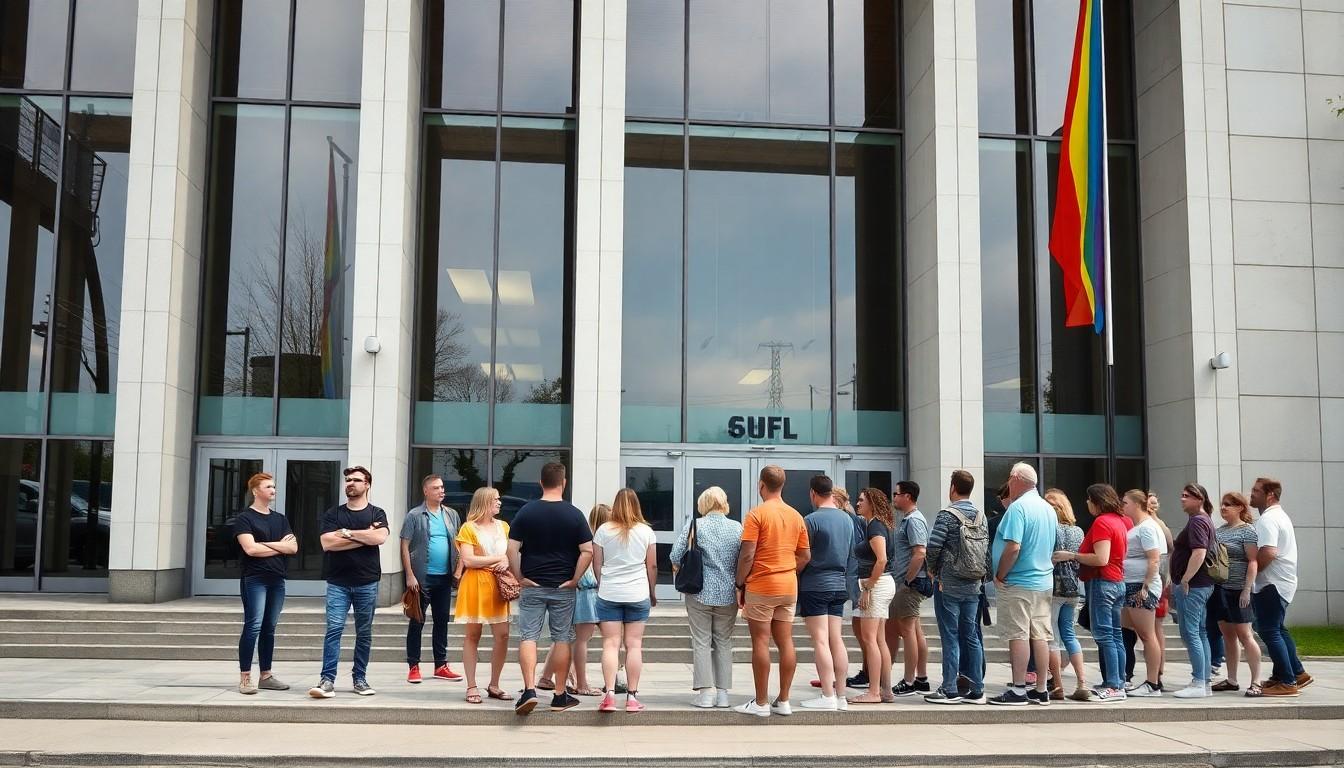
Shaken but unbowed: as Berlin’s Pride march was hit by a deadly attack, queer communities across Europe are rethinking safety while insisting on visibility , and that matters for Stockholm Pride this week. Here’s what organisers, allies and participants should know to stay together and stay safe.
Essential Takeaways
- Immediate context: A vehicle attack targeted Berlin’s Pride march, leaving the city reeling and prompting heightened vigilance across European Pride events.
- Personal caution: Performers and attendees are advised to take practical safety steps , travel plans, buddy systems and situational awareness , while still joining marches.
- Public response: Solidarity on the streets is a political as well as emotional act; larger turnouts can send a clear message against fear and exclusion.
- Organiser measures: Enhanced security, clear communication and accessible support services are now central to Pride planning.
- Why it matters: Attacks on Pride are attacks on open society , protecting queer visibility protects democratic freedoms for everyone.
What happened in Berlin , and why it matters here
Berlin’s Pride march was struck by an apparent vehicle attack, leaving casualties and a shaken city in its wake. Reuters and Al Jazeera reported the immediate aftermath, including police firing on a suspect and emergency response across the route. The imagery of celebration turned to chaos is painfully familiar and emotionally sharp; people who were there describe disbelief and sorrow, and those who watch from elsewhere feel the chill of “this could happen here”.
For Stockholm and other capitals, the takeaway isn’t to retreat but to reassess. Public events that celebrate freedom also attract risks, so planners and participants must balance joy with vigilance. That tension , pride mixed with fear , is what many communities now know intimately.
Practical safety steps for performers and participants
If you’re a drag performer, an activist or simply someone who wants to march, small habits can make a difference. The SvD opinion piece that inspired this look urges performers to use taxis, buddy up, avoid headphones walking alone and be cautious about meeting strangers from apps. Those are sensible, down-to-earth recommendations you can adopt tonight.
Organisers and communities should promote simple routines: designated meeting points, check-in systems on phones, clear maps of first-aid and safe zones, and volunteers trained to spot distress. For performers with a public profile, consider staggered arrivals and exits. It’s sensible, not paranoid , and it helps keep the focus on the march itself.
How organisers are changing plans , bigger security, clearer info
Stockholm Pride and other festivals now balance warm welcome with layered security. Press releases from Stockholm Pride show how mass participation can coexist with logistics: marshals, medical teams and crowd-management plans all scale up for bigger parades. Event chiefs are also working with police and emergency services to keep response times fast and communication channels open.
That means clearer pre-event guidance, visible help points during the parade and rapid alerts to attendees if situations change. Expect more bag checks, barriers in critical areas and an increase in trained volunteers. Those measures can feel intrusive, but many see them as necessary to hold public space safely.
Solidarity on the streets still sends the strongest message
There’s a moral and political argument for turnout: showing up en masse is a direct rebuttal to the aims of violent actors. Coverage in Le Monde and reactions across Europe underline that Pride is not just a community party but a visible statement about rights and belonging. When more parents, allies and workplaces join the march, the parade’s message broadens and its vulnerability diminishes.
So, if you can, consider marching with a friend, a family group or a community organisation. Presence is practical solidarity , it dilutes targeted risk and amplifies the idea that queer safety is everyone’s concern.
Emotional care, mourning and long-term resilience
After an attack, people need space to grieve, and events must offer that. Support services, quiet zones, and counsellors should be part of any Pride plan now. Media reports and first-hand accounts show how trauma can ripple; organisers must plan for immediate and ongoing care.
Longer term, communities will have to keep building resilience: training volunteers, sharing know-how across cities and lobbying for resources that protect public celebration. Democracy depends on the right to be visible; defending that right means practical preparedness and the courage to keep walking together.
It’s a small change that can make every march safer and every presence louder.
Source Reference Map
Story idea inspired by: [1]
Sources by paragraph: