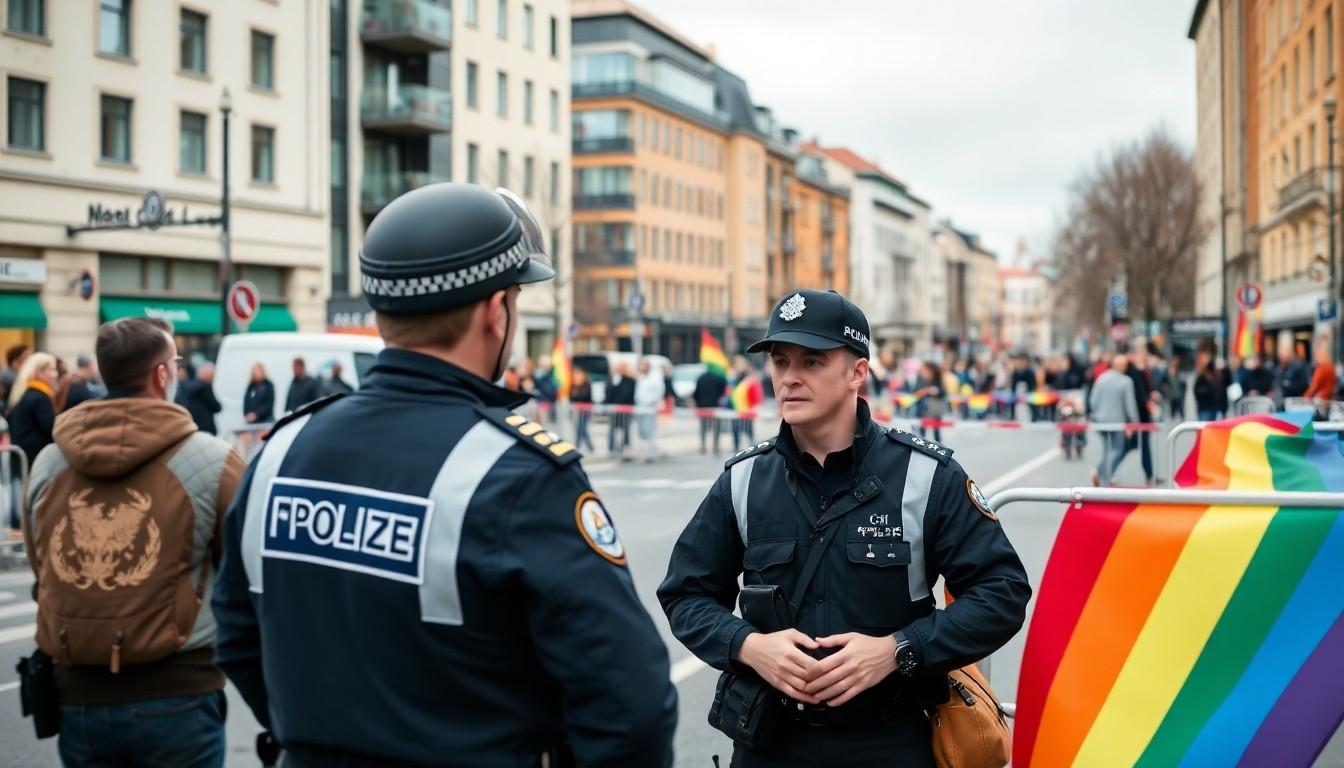
Watchful festival organisers and police are tightening plans after a van ploughed into crowds at Berlin’s Christopher Street Day; Stockholm Pride organisers say the parade is secure, but visitors should know what to expect and how to stay safe while keeping the spirit alive.
Essential Takeaways
- Incident overview: A vehicle drove into a crowd at Berlin’s Christopher Street Day, killing one and injuring many; motive under investigation.
- Stockholm response: Organisers and police say Stockholm Pride will go ahead with thorough, year‑round safety planning and visible measures for the parade route.
- Practical safety tips: Expect controlled access, barriers, and a visible emergency plan; carry ID, keep phone charged, and note meeting points.
- Emotional context: Organisers stress Pride’s civic purpose, to be seen and heard, while acknowledging worry and the need for solidarity.
- Local scale: Stockholm’s parade typically draws around 50,000 marchers and roughly half a million spectators, so planning is on a large scale.
Why the Berlin attack changed the mood , and what it felt like
The scene in Berlin was harrowing: a van hitting people celebrating, a crushed carnival atmosphere turned tense and shocked. Media outlets reported multiple injuries and at least one fatality, and authorities quickly opened an investigation. For anyone who’s been to a street festival, you know how sudden a moment like that can rearrange feelings, joy becomes vigilance in an instant. Organisers and police across Europe, including in Stockholm, took note immediately.
How Stockholm Pride says its plans already handle threats
Stockholm Pride’s chairperson told local media that the festival’s security work is continuous, not last‑minute. They pointed out that parade routes are planned with barriers, stewarding and checks in mind, and that contingency plans include responses to vehicle attacks. The message from organisers is twofold: they take the risk seriously, but they also judge the safeguards adequate to let the festival proceed. That kind of steady confidence helps calm nerves without downplaying the real concerns.
What police will do , and what you’ll see on the ground
Police spokespeople have said they’ve long prepared for high‑profile gatherings like Pride and will be visible and active during the week. Expect deliberate presence: uniformed officers, cordons at key points, and blocked roads where the parade passes. That’s not just theatre, those measures limit access and give emergency services clear routes. If you’re attending, scan the area for officers and stewards, and don’t be shy about asking where first‑aid points or lost‑and‑found spots are.
Practical tips: simple moves that make a difference
A few small choices go a long way. Carry a charged phone and a portable charger, note two meeting spots with friends (one near the procession, one further away), and wear comfortable shoes so you can move if needed. Avoid parking close to the parade route if you’ll be driving, and follow instructions from stewards and police. If you feel unsettled, step to a quieter street or contact festival support teams, organisers expect emotional fallout and have resources for people who need help.
Why Pride continues despite fear , and what it stands for now
Organisers emphasise that Pride isn’t just a party: it’s a civic demonstration against forces that try to silence minorities. The festival’s visibility is part of its power, and withdrawing because of fear would hand space to those very forces. Still, organisers balance that principle with practical safeguards; they’ve redesigned certain public exposures and sharpened emergency routines. Attending feels both celebratory and, increasingly, like a small act of defiance.
It's a small change in routine that can make every visit safer and keep the celebration strong.
Source Reference Map
Story idea inspired by: [1]
Sources by paragraph: