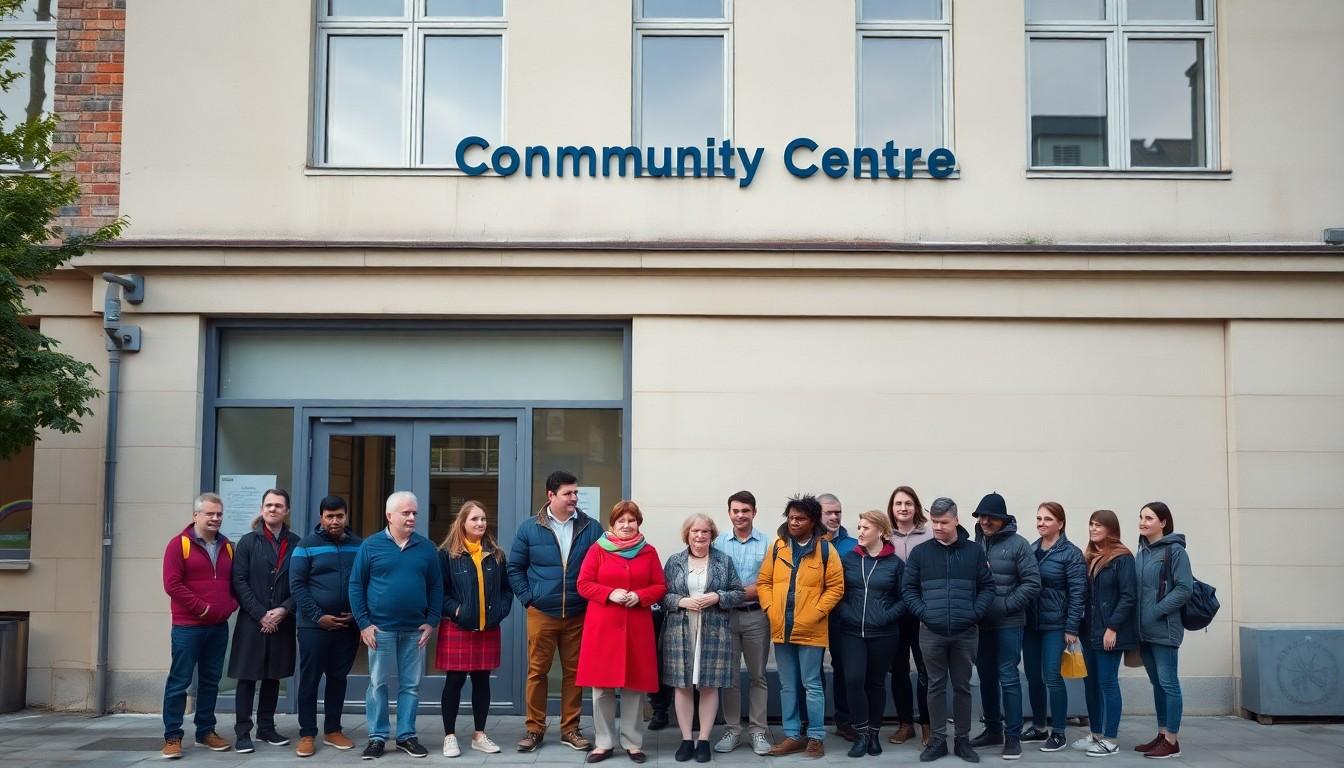
Shoppers and parade-goers are rethinking Pride plans after the Berlin attack, with organisers in Antwerp and beyond stressing visibility, safety and solidarity; community leaders say Pride remains essential, even as concerns about verbal and physical violence rise and debates over counter-protests heat up.
Essential Takeaways
- Rising concern: Community figures report an uptick in verbal and physical attacks and a growing sense of unease at Pride events, especially among younger people.
- Visibility matters: Leaders urge Pride not to be abandoned, arguing that staying visible counters hate and supports vulnerable queer people.
- Local friction: Planned counter-demonstrations near parade routes risk escalating confrontations and complicating policing and crowd safety.
- Broader causes: Social media, polarisation and far-right organising are seen as drivers of hostility; education and support services are flagged as remedies.
- Practical action: Organisers advise clearer safety plans, crisis shelters, trained stewards and community solidarity to protect attendees.
Why Pride still matters when fear is in the air
The shock from the attack at Berlin Pride has left organisers and participants shaken, with a sharp emotional edge to conversations about safety and celebration. According to spokespeople for Antwerp events, the mood is cautious: people want to come together, but they’re more aware of risks and more likely to ask how events are secured. This isn’t only about policing; it’s about the quiet, everyday pressure that makes people second-guess even basic choices, like whether to put a charity’s address on a flyer.
Belgium is often held up as legally progressive, and yet community leaders say societal attitudes are shifting, especially among young men who report less tolerance. That paradox , strong rights on paper, rising hostility in the street , explains why Pride remains both a festival and a frontline. If you’re planning to attend, look up a parade’s safety page in advance and note where first-aid tents and safe spaces are located.
The tug-of-war over counter-protests and public space
Debates about whether to allow opposing groups to march near Pride routes have become heated. Some councils grant broad protest rights on principle, but placing an opposing demonstration close to a parade effectively manufactures confrontation. Organisers say that by doing so, cities risk turning what should be a proud, visible display into a security flashpoint.
Practical advice for city leaders: set clear buffer zones, require detailed risk assessments for counter-demonstrations, and coordinate stewarding so people can choose to keep distance. For attendees, simple tactics , travel in groups, plan meet-up points, and carry emergency contacts , make a surprising difference to your sense of control.
What’s changing online , and why that matters offline
Community activists point a finger at social media algorithms for amplifying polarising messages and normalising aggressive rhetoric. Young people, who live much of their social lives online, are repeatedly targeted with one-sided narratives that harden attitudes about minorities. Educators and campaigners say media literacy could blunt that effect.
If you work with young people, start conversations about spotting echo chambers and checking sources. Schools and youth services can teach critical reading of feeds, and Pride groups can run workshops that help teens recognise and resist targeted harassment.
Practical safety steps organisers and councils can take now
Organisers across Europe are rethinking logistics: more visible stewarding, clearer evacuation routes, designated crisis shelters and strengthened liaison with police and health services. Community-run hubs where people can decompress and report incidents are proving invaluable.
Small but effective measures include wristbands with emergency numbers, discreet safe-word systems for stewards, and on-site mental-health volunteers. If you run or volunteer at an event, practise crowd movement drills and make your safety plan public so attendees know what to expect.
Solidarity beyond the queer community helps
Voices from Antwerp stress that Pride is not just for LGBTQ+ people , allies, neighbours, and public services play a role in making events safe and inclusive. After traumatic incidents, there’s a tendency for some commentators to weaponise grief into anti-migrant or racist rhetoric. Community leaders warn against those shortcuts, noting that queer people come from every background, including many with migrant and religious roots.
Concrete solidarity looks like local groups showing up to march, businesses offering safe spaces during parades, and city councils funding crisis support. When diverse civic actors stand together, the signal sent to hostile actors is simple but powerful: our city protects everyone who has a right to be seen.
It's a small change that can make every march and gathering a safer, braver moment.
Source Reference Map
Story idea inspired by: [1]
Sources by paragraph: