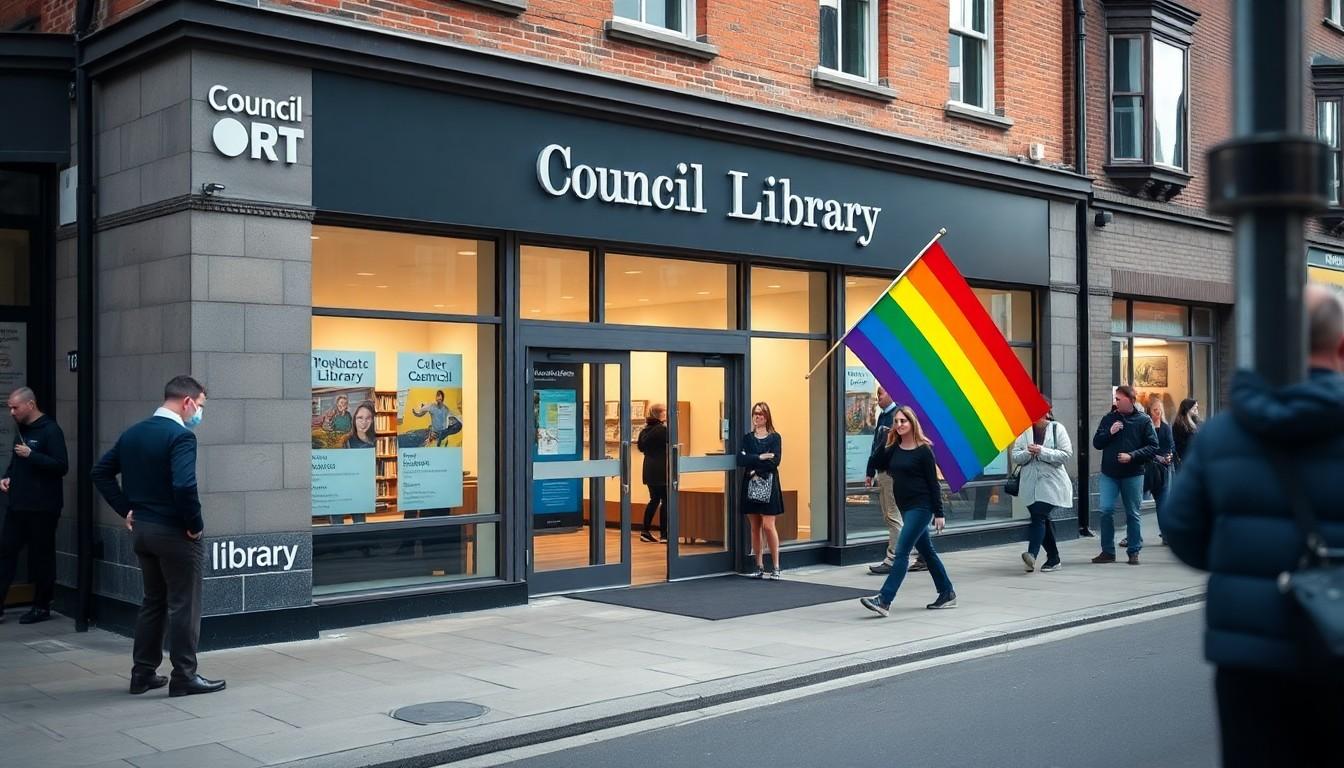
Shoppers and residents have been watching local politics ripple into community spaces , Colchester councillors voted to push back after Essex libraries were told to stop promoting Pride and other themed events, a move that sparked protests, petitions and heated debate about safe spaces and censorship.
Essential Takeaways
- Motion passed: Colchester Council voted 24–7, with two abstentions, to ask Essex County Council to reverse its decision and to reaffirm support for Pride events.
- Local voices rallied: Several councillors spoke passionately for inclusive promotion, describing emotional and personal impacts on LGBTQ+ residents.
- Opposition concerns: Some councillors warned about perceived unfair privileges and claimed extremist elements within activist groups, heightening tensions.
- Wider fallout: The controversy follows a Reform UK-led instruction across Essex libraries to pause promotion of themed months, triggering petitions and national attention.
- Practical effect: The motion calls for a letter to Essex’s cabinet members requesting clarity and a reversal; it also reaffirms Colchester’s support for local Pride events.
Councillors pushed back , and it felt personal
The strongest moment at Colchester’s full council meeting came when councillors from across the chamber described Pride as more than a banner , it’s a lifeline for many who feel unseen. According to local reporting, former council leader Mark Cory amended a motion to make clear the council was specifically backing Pride after an Essex cabinet member suggested Pride had been singled out. Many speakers used intimate language, saying the withdrawal of promotion had caused "disquiet" and fear among LGBTQ+ friends and neighbours.
Backstory: the instruction to pause promotion came from the county level during Pride month, and campaigners immediately voiced outrage. Petitions and social media amplified the story, turning what might have been an administrative tweak into a symbolic flashpoint about inclusion and visibility.
What supporters said: solidarity and safety
Speakers who backed the motion framed it as about dignity and safety rather than politics. Councillors highlighted how libraries act as community hubs, and removing promotion could make already vulnerable people feel invisible. One councillor described the move as an attempt to "blind our community to queer joy", signalling how celebrations and outreach intersect with mental health and belonging.
Practical insight: if you run or use a library, consider how event visibility affects footfall and access. Promoting themed events broadly helps people find resources and creates a sense of welcome, especially for newcomers and young people exploring identity.
Opposition framed it as fairness and fear of extremism
Not everyone agreed. Some councillors argued the policy risked giving one group privileged promotional access and warned of "extremist" elements within activist circles. They cited examples of conflict elsewhere and voiced fears that visible Pride symbols might make people of particular faiths or beliefs feel uncomfortable in shared spaces.
Context: these arguments tap into a wider national debate about how public institutions balance recognition of minority identities with the need to remain neutral civic spaces. The language used , invoking safety and privilege , made the session more volatile and reflects divisions playing out across the country.
This isn’t just Colchester , it’s part of a larger Essex story
The motion sits against a backdrop: the Reform UK-led Essex authority ordered libraries to pause promotion of themed days, weeks and months, including Pride and Black History Month. That instruction prompted local campaigns, a Change.org petition and coverage in national outlets, showing how local policy decisions can quickly become national stories.
Trendwatch: councils and library services increasingly face scrutiny for how they handle community programming. If you care about local services, check council minutes and social feeds , they’re where these decisions often first surface.
What this means for residents and library users
For now, Colchester has formally asked Essex County Council to reverse course and to reaffirm support for inclusive events. That’s a clear message: local representatives want libraries to be places that visibly back underrepresented communities. If you’re a resident, this is a good moment to engage , write to your councillor, sign local petitions, or attend meetings.
Practical tip: if you’re organising community events, document demand and outcomes , visitor numbers, feedback, photos , because tangible evidence often sways councils more than rhetoric. And if you use libraries, ask staff how events are chosen and promoted; transparency helps.
It's a small change that can make every library visit feel more welcoming.
Source Reference Map
Story idea inspired by: [1]
Sources by paragraph: