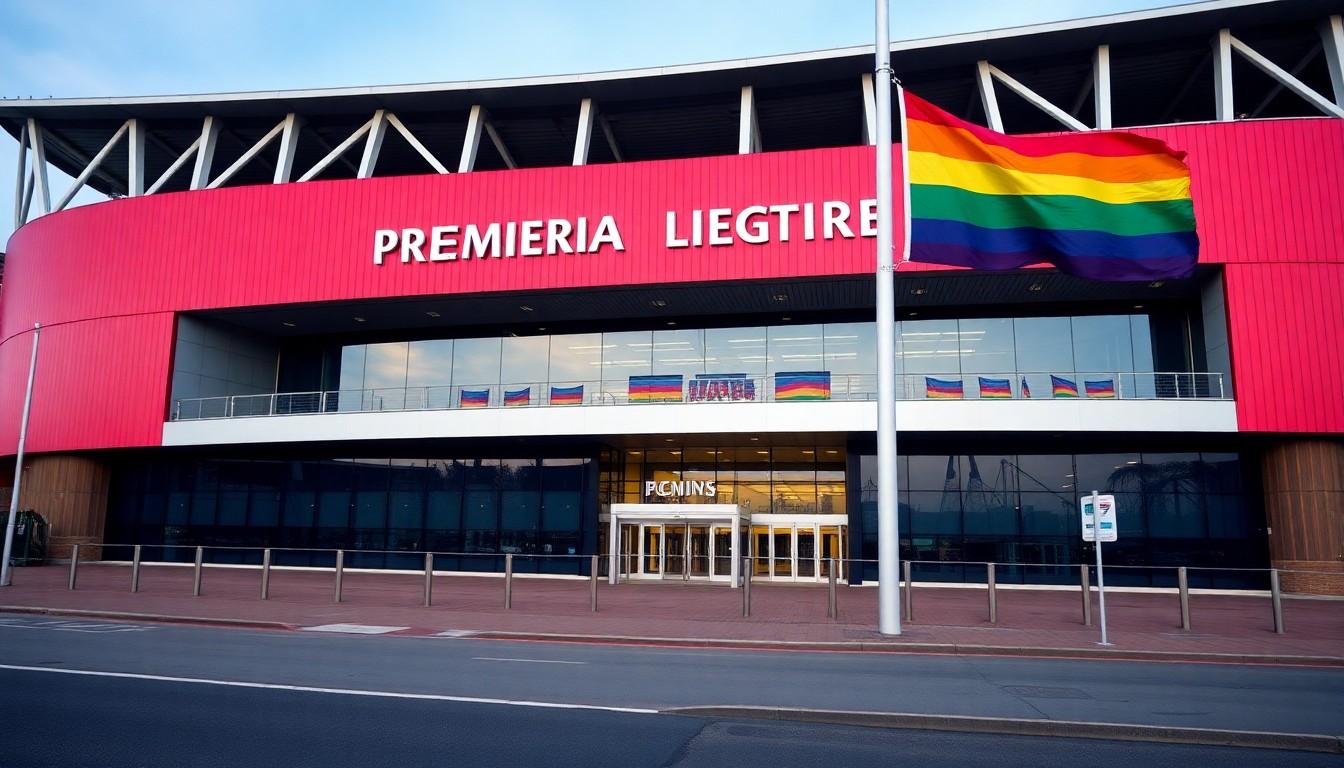
Shoppers are turning to the stadiums’ small victories and ugly setbacks , new Home Office figures show homophobic incidents were reported at 14.7% of Premier League matches in 2025–26, prompting calls from LGBTQ fan groups and a fresh push from the league’s With Pride initiative.
Essential Takeaways
- Rising reports: Homophobia was logged at 14.7% of Premier League fixtures in 2025–26, up 1.8 percentage points on the prior season.
- Hotspots noted: Chelsea and Brighton matches recorded the most incidents, with Chelsea affected at over half of its domestic fixtures.
- League response: The Premier League has launched Premier League With Pride, focusing on education, celebration and action.
- Fan groups demand action: Pride in Football says improved reporting must be matched by meaningful, enforced steps.
- Online surge: Reported online football-related hate incidents jumped sharply, rising by roughly 73% year on year.
Why the numbers matter , a gut punch and a sign of awareness
The Home Office statistics are blunt: nearly one in seven top-flight matches saw reports of hate crime linked to sexual orientation. That figure feels both small and alarmingly persistent when you picture fans in the stands, some cheering and others having to steel themselves against abuse. According to the official government release, these reports rose slightly from the season before, suggesting better visibility of the problem , but also that it remains stubbornly present. For supporters who’ve long campaigned for change, the data is proof that progress is overdue and patchy at best.
Where it’s happening , Chelsea, Brighton and the crowd dynamics
Chelsea fixtures stood out last season, with reports recorded at more than half of their domestic games, while Brighton featured in a high number of incidents too. Supporter groups and club statements have pointed to occasional mass chanting and targeted abuse from away sections, which sometimes leads to arrests or bans. Leeds United publicly vowed lengthy stadium bans after a widely reported incident, showing clubs can and do act when pressure builds. Still, the pattern underlines how certain fixtures attract repeat problems and why pre-match steward briefings and observer programmes have been stepped up.
What Premier League With Pride aims to do , fan-focused, not just symbolic
The Premier League has moved away from rainbow armbands for captains and towards Premier League With Pride, an initiative that the league says puts fans at the heart of inclusion work. The new programme stresses education, celebration and action and seeks to embed long-term change, according to the league’s own announcements. That shift matters because it reframes visibility from a one-off symbolic act to ongoing activity around supporter groups and matchday culture. Whether it will translate into fewer incidents remains to be seen, but it’s an attempt to make inclusion practical rather than purely performative.
Grassroots pressure , why Pride in Football and supporter groups won’t let this drop
Pride in Football, which represents more than 50 LGBTQ+ supporter groups, has been clear: higher reporting is good, but only if it leads to tangible consequences and safer stadia. Their co-chair stressed that their members are on the front line, supporting fans and challenging discriminatory behaviour in real time. Groups such as Marching Out Together at Leeds have publicly backed strong club sanctions and worked directly with clubs when incidents occur. This grassroots pressure is one of the main levers for change , it forces clubs and leagues to follow through beyond statements.
Beyond the terraces , the worrying rise of online abuse
Stadium incidents are one part of the story; online hate linked to football has surged far more dramatically. The Home Office recorded a near 73% increase in online football-related hate cases in the same season, a huge jump that hints at how much abuse migrates to social platforms and messes with fans’ wellbeing. With big tournaments and international fixtures on the horizon, online reporting systems, moderation and legal enforcement will be as important as stewarding in the stands. Campaigners point out that many incidents still go unreported, so the true scale is probably larger than official figures show.
How fans, clubs and authorities can help , practical steps that actually matter
If you’re a fan worried about safety, join or follow your club’s LGBTQ supporters’ group and learn the reporting channels before you go to a match. Clubs can tighten steward briefings, publicise consequences for offenders and work with police to name and ban people responsible. The Premier League should ensure With Pride funding and training reach matchday staff and the digital teams who manage online abuse. And authorities need to turn reports into investigations and sanctions more consistently so reporting doesn’t feel like shouting into the void.
It's a small change that can make every matchday safer if fans, clubs and the league keep up the pressure.
Source Reference Map
Story idea inspired by: [1]
Sources by paragraph: