Shoppers aren’t the story here , walkers are. Over 50 LGBTQ+ pilgrims from Spain, Mexico and the United States set out from Sarria to Santiago de Compostela this July, choosing the French Way as a place to heal, bond and reclaim spiritual space away from judgement.
Essential Takeaways
- Group size and route: More than 50 participants walked the 114 km stretch from Sarria on the French Way, a manageable distance for a meaningful pilgrimage.
- Who organised it: Orlander, a Spanish LGBTQ+ community group, led the trip with a focus on shared reflection and mutual support.
- Why it mattered: The walk aimed to counter religious exclusion and help people work through religious trauma in a low-pressure, natural setting.
- Pace and experience: Slow walking, communal meals and time offline created room for conversation, quiet reflection and new friendships.
- Inclusive purpose: The pilgrimage welcomed people with and without traditional faith, emphasising transcendence on participants’ own terms.
Why walking the Camino still feels like radical self-care
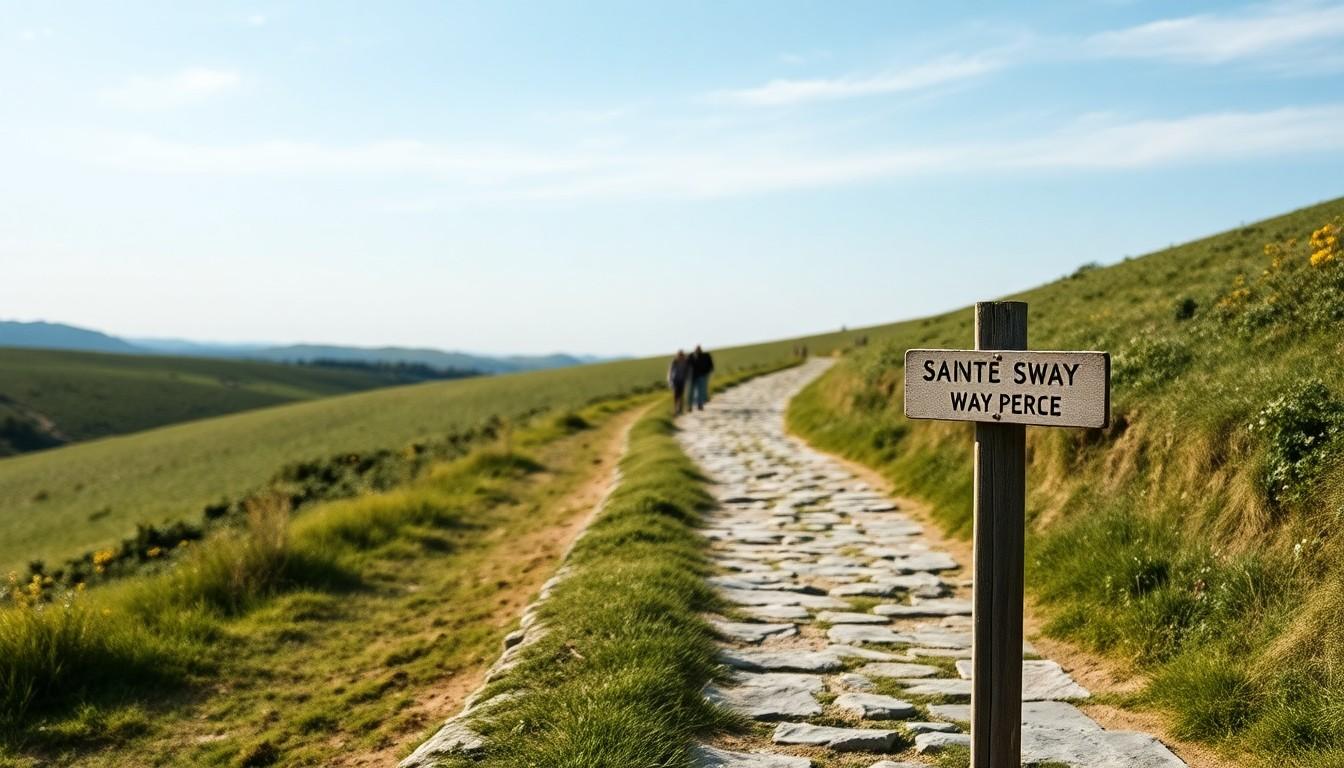
There’s a quietly tactile pleasure to walking a pilgrim route , the soft scrape of boots on ancient cobbles, the wind on your face, the steady rhythm of step after step. For this group, those small sensory details became a framework for emotional work. According to Revista Rainbow, the Orlander pilgrimage started in early July from Sarria, a town about 114 kilometres from Santiago, chosen because it’s the minimum distance to earn a pilgrim’s certificate and manageable for many walkers. The route’s physical simplicity makes it ideal for people who want space to think, talk and breathe.
The Camino has always folded practical needs and spiritual aims together: food, lodging, companionship and an endpoint that gives the journey shape. For LGBTQ+ pilgrims who’ve felt shut out of religious spaces, walking offers a way to practice spirituality on their own terms. Participants told local outlets that the low-tech, communal rhythm helped chip away at isolation and rebuild trust.
How a shared walk becomes community-building in motion
Orlander designed the pilgrimage around the idea of walking as a collective act, and it shows why shared fatigue can be strangely bonding. People swap stories over a simple dinner, help each other with blisters, and discover common ground in the repetition of walking. According to Orlander’s own event descriptions, those small, practical exchanges are where friendships form and where long-held shame can loosen its grip.
There’s also a practical logistics lesson here: choosing Sarria keeps daily distances realistic and allows the group to travel together without long solo stretches. That matters if you’re organising a pilgrimage for people who need emotional safety as well as physical support.
Pilgrimage as a response to religious exclusion
Spain’s public conversation about church and LGBTQ+ rights came into sharper focus this month with the Pope’s visit, and that backdrop mattered to walkers. Reporters and participants tied the pilgrimage to wider debates about institutional religion and the Church’s role in people’s lives. Orlander founder Fabri Orlandi framed the walk as reclaiming spiritual ground , a line that resonated with many who described being taught, as children, that faith was not for them.
Walking the Camino in a queer group reframes a centuries-old ritual into something deliberately inclusive. It’s a quiet protest as much as a healing exercise: asserting that pilgrimage, contemplation and transcendence aren’t the preserve of any single institution.
Practical tips if you’re thinking of joining a pilgrimage
If you want to try something similar, start small. Sarria-to-Santiago is a sensible first Camino: it’s long enough to feel significant but short enough to fit into a holiday week. Pack for comfort , good boots, layered clothing and a small first-aid kit for blisters. Travel with a group or choose a guided option if emotional safety matters; organisations like Orlander and other Camino groups offer themed walks, and local pilgrim associations list accommodation and logistics. Finally, go with the intention to be present: put the phone away, talk to fellow walkers, and let the rhythm of walking shape your thoughts.
What this pilgrimage might mean going forward
Events like this one suggest a growing appetite for spiritual experiences that don’t require institutional permission. According to local reporting and organisers’ materials, the Camino offers a flexible template: it’s religiously resonant, but also open to secular reflection. Expect more themed pilgrimages , not just for LGBTQ+ communities but for others seeking healing, artful silence or shared purpose. For many participants, the real takeaway was simple: walking together made space to breathe, to grieve, and to hope.
It’s a small change that can make every step feel like a step reclaimed.
Source Reference Map
Story idea inspired by: [1]
Sources by paragraph: