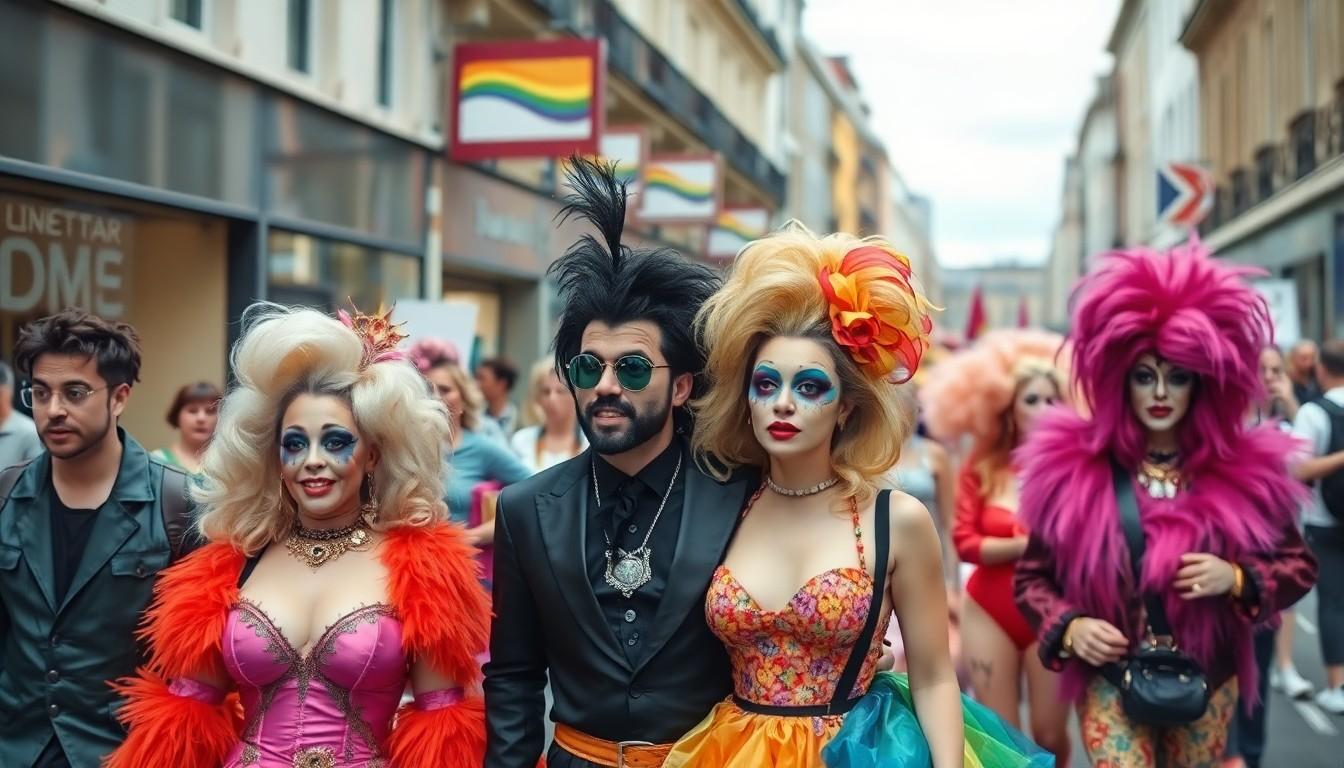
Bursting onto the streets, Berlin’s first-ever drag march mixed high-glamour spectacle with steely protest, drawing thousands to celebrate queer joy and demand rights where it matters most. Supporters, performers and locals turned up in costume, flags and slogans , and the moment mattering for Europe’s wider LGBTQ+ scene.
Essential Takeaways
- Massive turnout: Thousands marched in Berlin as drag performers led a colourful opening event for Pride, creating a lively, upbeat atmosphere.
- Protest edge: The march doubled as a political statement, highlighting anti-LGBTQ+ violence and demanding stronger protections.
- Wide participation: Drag artists, activists and families took part, bringing a mix of performance, speeches and street theatre.
- Visible security and calm: Authorities monitored the route; the mood was celebratory though organisers stayed alert to safety concerns.
- Cultural ripple: The event sparked international attention, signalling a new tradition in Europe’s major Pride calendars.
A sparkling arrival with a serious message
Berlin’s drag march felt like the kind of thing you see in movies , loud, glittering, slightly chaotic and impossible to ignore. Performers in towering heels and sequin gowns sashayed through streets that normally hum with tourist traffic, but the confetti and camp masked a sharper purpose. According to coverage in the Washington Post, organisers framed the event both as celebration and as a response to rising threats against queer communities, so the glamour came with urgency.
This wasn’t just theatre. Speakers used the stage between acts to call for policy change, better hate-crime prevention and more visible protections. For onlookers it was emotionally vivid , laughter and colour punctuated by moments of quiet attention when activists spoke. If you were there, you’d have felt both elated and galvanised.
How it came together: history, planning and local buy-in
Berlin’s drag march didn’t emerge from nowhere. Organisers drew on decades of queer history in the city and the broader momentum of Pride events across Europe, the Boston Globe reports. The idea was to create a flagship opening event that put drag culture , long a centrepiece of LGBTQ+ life , front and centre while making room for political demands.
Planning leaned on experienced Pride teams and local clubs, and the turnout suggests that message resonated. City officials worked with organisers on logistics and security, a necessary step given the event’s profile and the mixing of performance with protest. The result felt both spontaneous and deliberately staged, a tricky balance that organisers managed well.
What people noticed: sights, sounds and small human moments
If you like sensory detail, this is your scene. Reporters from AP and SFGate highlighted everything from thunderous music and megaphones to quiet acts of solidarity , strangers hugging, older marchers cheering, kids wide-eyed at the costumes. The event was as much about community warmth as it was about spectacle.
Meanwhile, photographers captured moments that will stick in people’s minds: a drag queen taking a breath before a speech, a group of friends sharing a rainbow banner, dancers rolling down the pavement like it was a runway. Those images helped the story travel worldwide and gave the event human texture beyond headlines.
Politics and protest: why the march matters now
Berlin’s new drag march arrived against a backdrop of concern over increasing anti-LGBTQ+ incidents in parts of Europe and beyond, reports from the Washington Post and Ground News note. Organisers used the platform not only to celebrate but to demand concrete steps , better policing of hate crimes, more funding for community centres, and public recognition that queer lives deserve safety.
That double role , party and pressure group , makes the march more than a one-off spectacle. It’s a template: flamboyant, media-friendly actions that also funnel attention to policy debates. For activists, this approach raises the question of whether flamboyance can translate into legislative wins. Early signs suggest it can at least move public conversation.
Safety, reception and what’s next
Authorities monitored the event closely and, by most reports, the march remained peaceful though organisers emphasised vigilance. Coverage from Yahoo’s currently.att and other outlets noted a visible security presence and cooperation with city services to keep things steady. That calm allowed the celebration to feel safe for families and vulnerable community members.
As for the future, the event already seems poised to become a staple on Berlin’s Pride calendar. Organisers and participants told reporters they hope it will evolve into a recurring opening highlight that keeps pressure on policymakers while giving performers a major stage. For now, it’s a vivid reminder that protest can be joyous and that joy can be political.
It's a small cultural nudge with big symbolic teeth , and one more reason to pay attention to how Pride events shape public debate.
Source Reference Map
Story idea inspired by: [1]
Sources by paragraph: