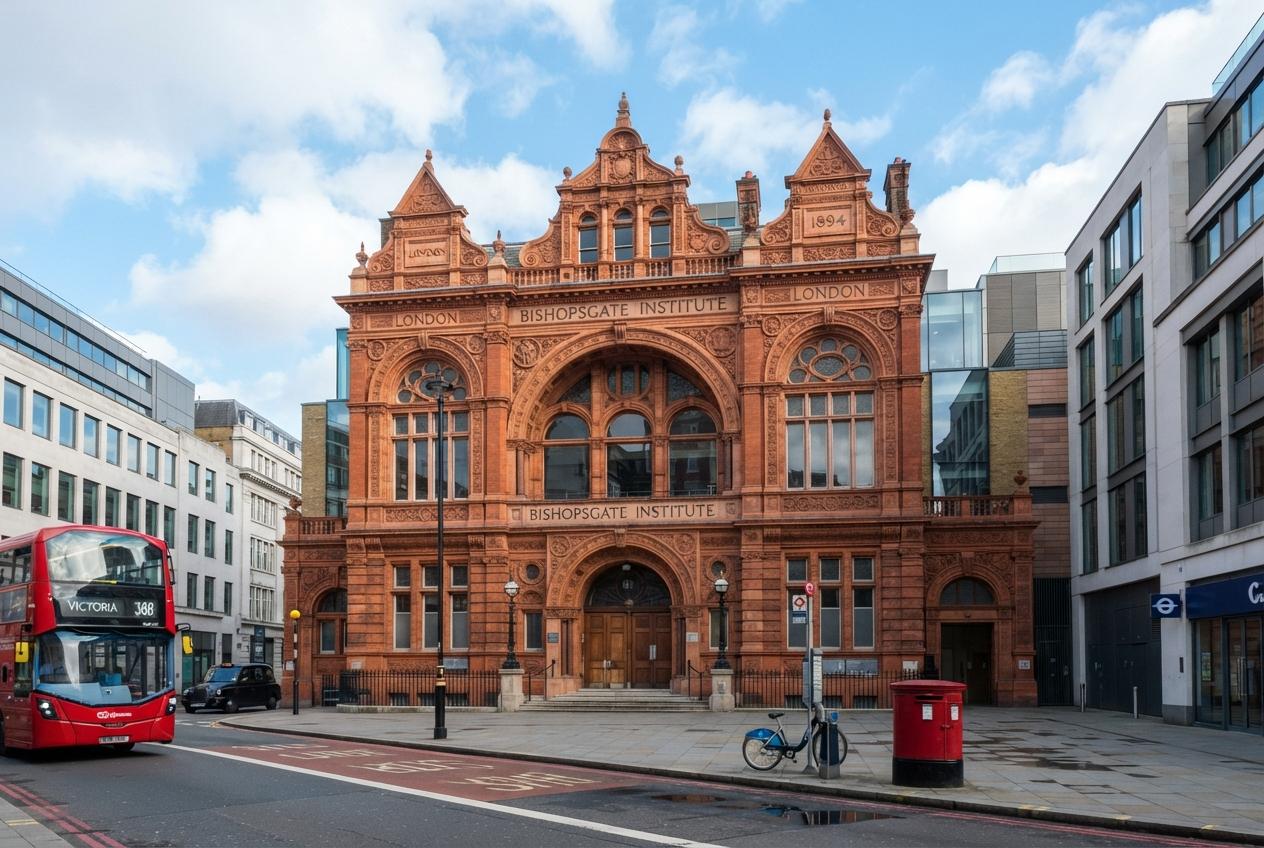
Discover lively, surprising collections drawing new crowds to London: visitors are queuing for tactile, visual and sometimes kinky material at Bishopsgate Institute, where rare magazines, photos and ephemera spark creativity, activism and a sense of belonging for queer communities.
Essential Takeaways
- Popular draw: Bishopsgate’s LGBTQIA+ collections pull thousands of visitors annually and events sell out fast.
- Tactile appeal: Old magazines, photos and clothing offer a physical, sensory window into past sexual cultures.
- Community fuel: Young activists, artists and tattooists use the archive as inspiration for new projects.
- Open to adults: Materials are for everyone aged 18+, with staff encouraging hands-on engagement.
- Institutional backing: The institute’s unique funding and vision let it build a collection from scratch.
Why Bishopsgate’s archive has become a must-see
Bishopsgate Institute’s LGBTQIA+ and kink collections feel unexpectedly lively; there’s a quiet hum of curiosity and the odd leather scent in the air. Events such as Kink in the Archives have a magnetic pull , one evening sold 500 tickets in two hours, which tells you everything you need to know about demand. According to the institute’s programme listings, organisers are turning material once hidden away into public moments, and that change is bringing new people through the doors. If you like something slightly subversive with your history, this is your place.
The joy of holding history in your hands
There’s something almost consoling about riffling through a creased 1980s magazine or feeling the weight of a ring binder full of personal papers. Visitors report that the illustrated magazines , glossy, explicit and often dramatic from the 1970s onwards , are as visually arresting as any contemporary feed, but tactile in a way screens aren’t. Staff encourage exploration: a trolley of magazines and ephemera is offered to newcomers as a gateway, which makes archival research feel less intimidating and more adventurous. For anyone who grew up digital-first, the physicality is a revelation.
How the archive was built and why it matters
The Bishopsgate collection is unusual because it was created intentionally rather than assembled piecemeal. The institute’s long-standing endowments give it the financial freedom to be ambitious, and the archivist’s passion has shaped the acquisition strategy. That combination , vision plus funding , means the archive doesn’t just preserve objects, it actively cultivates culture. According to the institute’s stories and galleries, that mission helps keep queer histories visible and useful, not locked in a vault.
Young visitors, new uses: activism, art and revival
Younger generations, who mostly encounter sexual culture online, are fascinated by print periodicals and the complex networks that distributed them. That curiosity feeds creative reuse: activists mine historical campaigns for tactics, tattoo artists revive vintage designs, and queer communities find evidence they’ve always been here. Exhibitions and online showcases at Bishopsgate highlight this cross-generational exchange, and it’s clear the archive acts as both mirror and springboard for contemporary work.
Practical tips for planning your visit
If you’re planning a trip, check the institute’s events page for pop-ups and ticketed nights; popular sessions sell out quickly. Be aware that materials are adult-only, so bring ID if needed. If you’re an artist or activist, email ahead , staff are welcoming and often help visitors access relevant material. Finally, allow time: the joy here is slow, tactile discovery rather than a quick browse.
It's a small change that can make every visit feel like a rediscovery.
Source Reference Map
Story idea inspired by: [1]
Sources by paragraph: