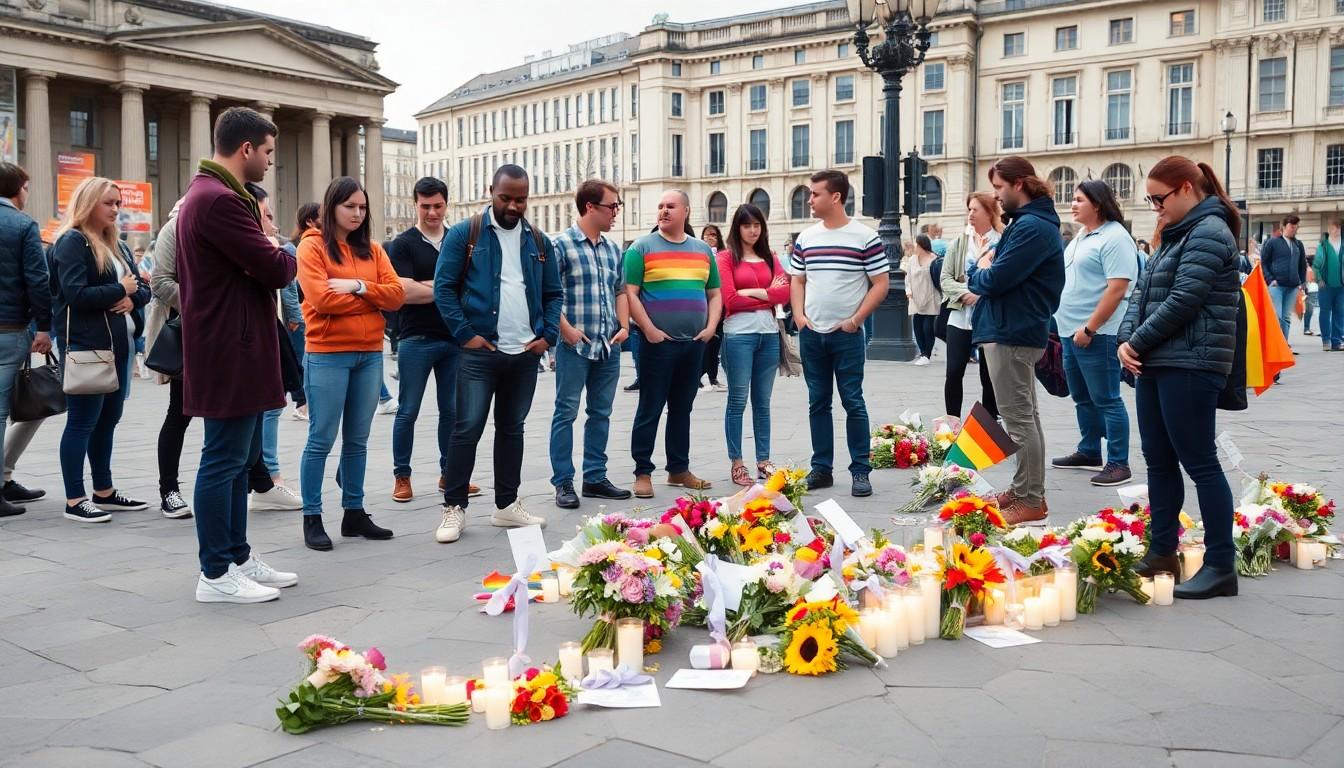
Witness emotions, resilience and resolve: Berlin’s queer community has been left shaken after a deadly attack at Pride, but organisers, activists and residents say they will keep claiming public space , and they’re asking for solidarity, vigilance and thoughtful policy responses.
Essential Takeaways
- What happened: A vehicle and knife attack at Berlin’s Pride left one person dead and dozens injured, sparking citywide grief and anger.
- Community mood: Many feel wounded and fearful, yet determined to remain visible; drag performers and activists vowed not to be driven from the streets.
- Political context: Authorities point to growing threats from both Islamist and far‑right extremists, and tensions with parties like the AfD add to anxiety.
- Public reaction: Vigils, marches and official statements filled Pariser Platz and Tiergarten, with calls for unity without scapegoating Muslim communities.
- Practical note: Increased security and community vigilance are likely at future events, but organisers stress the need to preserve Pride’s open, festive spirit.
A brutal strike on a festival of freedom , and a city’s stunned reaction
The violence at Berlin’s Pride landed like a blow to the city’s sense of itself: a festival once defined by colour and closeness turned overnight into a scene of grief and confusion. Witnesses described a surreal shift from celebration to terror, a detail that still registers as a cold, physical shock. According to reports from local media, the suspect was later shot dead by police after being located in Spandau, and authorities updated victim numbers as the scale of the incident became clearer. This was not just an attack on people, many said, but on a way of living out loud that Berlin has long cherished.
Why this attack carries extra symbolism for queer Berlin
Berlin’s queer life has a deep, layered history , from the thriving scenes of the 1920s, through repression under the Nazis, to the post‑Wall revival that made the city a magnet for LGBTQ+ people. That history makes an assault during Pride feel especially targeted, and political leaders framed it as an attack on freedom itself. With the Bundeskriminalamt already warning of elevated risks from ideologically motivated violence, the incident sharpened long‑running fears that gatherings which signal visibility and pride can be chosen deliberately by attackers seeking symbolic impact.
Fear, solidarity and the careful line against scapegoating
In the days after the attack, Pariser Platz and Tiergarten filled with people who were angry, terrified and resolute. Community leaders urged vigilance without turning to blanket blame. Prominent activists pointed out that while Islamist extremism is explicitly hostile to queer people, responding with Islamophobia would only compound harm. The message from many on the ground was clear: protect queer lives, but don’t let the politics of fear fracture solidarity with Muslim neighbours.
Political reactions and the pressure on policy makers
The incident landed amid heated national debates about security, migration and the role of parties such as the AfD, which many in the queer community view as hostile to diversity. Officials noted an uptick in crimes against LGBTQ+ people from different ideological sources in recent years, which complicates any simple narrative. Expect renewed calls for targeted protection at large events, better intelligence on extremist threats, and political conversations about how to counter hate without enabling exclusionary rhetoric.
What organisers and attendees can do next , practical steps
Organisers will likely keep some festival features that make Pride warm and open, while bolstering safety: clearer perimeter plans, medical tents, trained marshals and liaison with police. For attendees, small practical moves help , travel in groups, note first‑aid points and exits, and check organisers’ guidance before events. Equally important is the softer work: supporting survivors, attending vigils, and insisting public space remains for everyone, not just the safest or the most comfortable.
It's a small change that can help make every Pride gathering safer, without dimming its heart.
Source Reference Map
Story idea inspired by: [1]
Sources by paragraph: