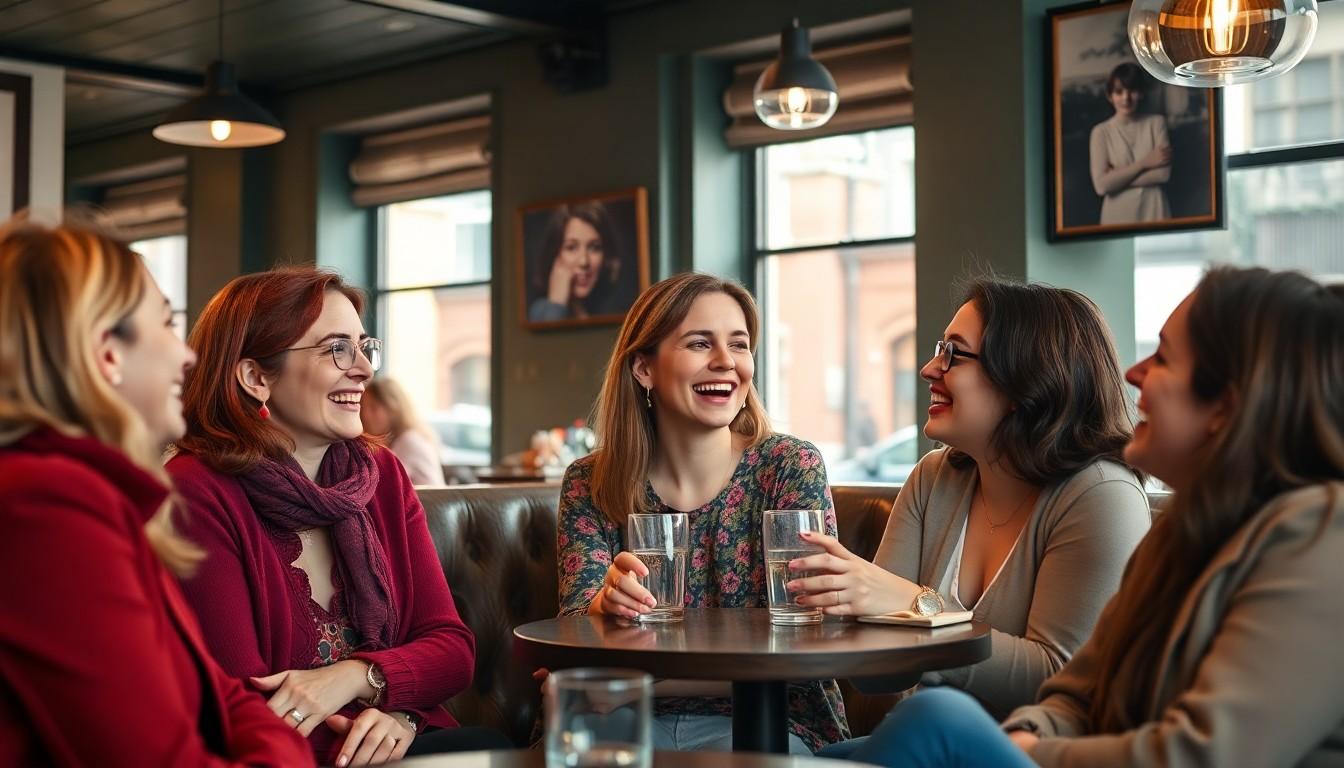
Shoppers are turning to a warmer word for a complicated friendship: fruit fly. Queer writers, club regulars and cultural historians explain who these women are, why the trope persists in film and music, and why these friendships often feel more like chosen family than mere sidekicks.
Essential Takeaways
- Origin and tone: The phrase “fag hag” emerged in the 1970s and carries a history of slur-driven insult; many prefer the gentler “fruit fly.”
- Emotional core: These friendships often centre on tenderness, protection and shared performance rather than romance or possession.
- Cultural visibility: From Will & Grace to RuPaul and Michelle Visage, media has long shown the dynamic but rarely fully explores its intimacy.
- Practical reality: For many queer women, gay-male spaces were early sites of community and safety when alternatives were scarce.
- Tension and belonging: The label can flatten agency, yet the lived relationships are improvisational, mutual and deeply meaningful.
A loaded label, a softer nickname , what’s the difference?
Language carries baggage; “fag hag” begins with a slur and ends in “hag,” which is plainly misogynistic and dismissive, and that’s why many people bristle at it. The alternative “fruit fly” feels cheekier and more affectionate, a name that hints at orbiting rather than possession, and it’s easier on the ears when you say it after a few gin and tonics on a sticky night out. Dictionaries record both terms, but context matters , a lot. Use the word that the person themselves uses, and otherwise lean into the more tender language.
Why these friendships form: safety, play and an alternative masculinity
Many people who find themselves in these friendships were searching for intimacy that didn’t come with the threats of traditional masculinity or heterosexual expectations. Gay men often offered a softer, performative masculinity , one that let you be loud, wear trousers, sing show tunes and not be policed for it. That dynamic isn’t about flattening desire into stereotypes; it’s about building a homemade gender code together. For anyone choosing a tribe, those earliest queer nights or circuit parties can feel like initiation rituals where you learn new ways to be seen.
On-screen shorthand versus messy, real tenderness
TV and film have turned the trope into shorthand: comic relief, emotional scaffolding, the indispensable BFF who helps her straight heroine glow up. Shows from Will & Grace to modern coming‑of‑age queer dramas use the relationship to explore connection without sex. Yet the media often skips the work of showing how friendships survive grief, jealousy, or changing sexual identities. The most lasting on-screen portrayals , think RuPaul and Michelle Visage or the bittersweet moments in My Best Friend’s Wedding , catch a glimpse of something almost sacred: devotion that refuses to be romanticised into possession.
When belonging feels conditional: the downsides of a label
There’s a sting to being defined only in relation to cis gay men. The tag can make the woman seem accessory-like, reducing complex friendships to a single frame. People have also been policed out of queer spaces for not “belonging” even when they identify as queer themselves, which reveals how porous and contested community borders can be. Those tensions matter because they show how identity and access are negotiated in everyday life , and why more dedicated queer-women and non‑male spaces are still urgently needed.
The hidden labour and mutual care behind the jokes
Look beyond the punchlines and you’ll find practical tenderness: holding coats, checking a friend’s nipple, calling a taxi home, or forming protective rings on a chaotic dancefloor. These roles aren’t one‑way. Sometimes the woman is the mother; sometimes the men are. The choreography of care, the small rituals of looking out for each other, is what makes these friendships feel familial. It’s not servitude; it’s mutual survival and joy, cobbled together with lipstick, sweat and anthems.
What this means for the future of queer community
As more spaces open that centre queer women, trans people and non-binary folks exclusively, the fruit fly relationship will likely evolve rather than vanish. The yearning that birthed these bonds , for non‑domineering protection, for spectacle as resistance, for people who see you , won’t disappear. Instead, expect richer, less reductive stories that celebrate chosen family in all its messy forms. And meanwhile, summer dancefloors will keep giving us the small, incandescent proofs that friendship can be love.
It's a small change in language with a big effect: name it gently, celebrate the care, and protect the spaces where these friendships grow.
Source Reference Map
Story idea inspired by: [1]
Sources by paragraph: