Shoppers for better journalism are tuning in to follow-up reporting that fills in missing detail, holds institutions to account and gives readers a fuller picture; reporters in Belfast, London and beyond show why a first story is rarely the last and why editorial choices shape public understanding.
Essential Takeaways
- Follow-up reveals context: Documentary evidence and internal correspondence can change how a story is understood, not just repeat statements.
- Selection shapes perception: Visuals and quoted sources , smiling crowds or inflammatory placards , affect audience takeaway.
- Courts don’t finish stories: Legal rulings often trigger fresh reporting about whether institutions actually change practice.
- Scrutiny matters across actors: NGOs, festivals and campaign groups all face governance questions after initial headlines.
- Stay curious: Readers benefit when journalists keep asking who’s been heard and who’s been left out.
Why the second report often matters more than the first
The strongest lesson of recent weeks is simple: the first report opens the door, but the follow-up walks the room and inspects it properly. ITV and Belfast outlets covered the initial cancellation of a festival event and the legal step that followed, but deeper reporting dug into timing, correspondence and the festival’s shifting explanations, giving readers something more tactile to judge. That kind of follow-up feels satisfying because it almost always adds a sensory layer , a tone in emails, the abruptness of a cancellation , that raw statements don’t capture. When you’re reading coverage, look for whether journalists checked documentary evidence and timelines rather than only relaying spokespeople.
What visuals and quotes leave out , and what they include
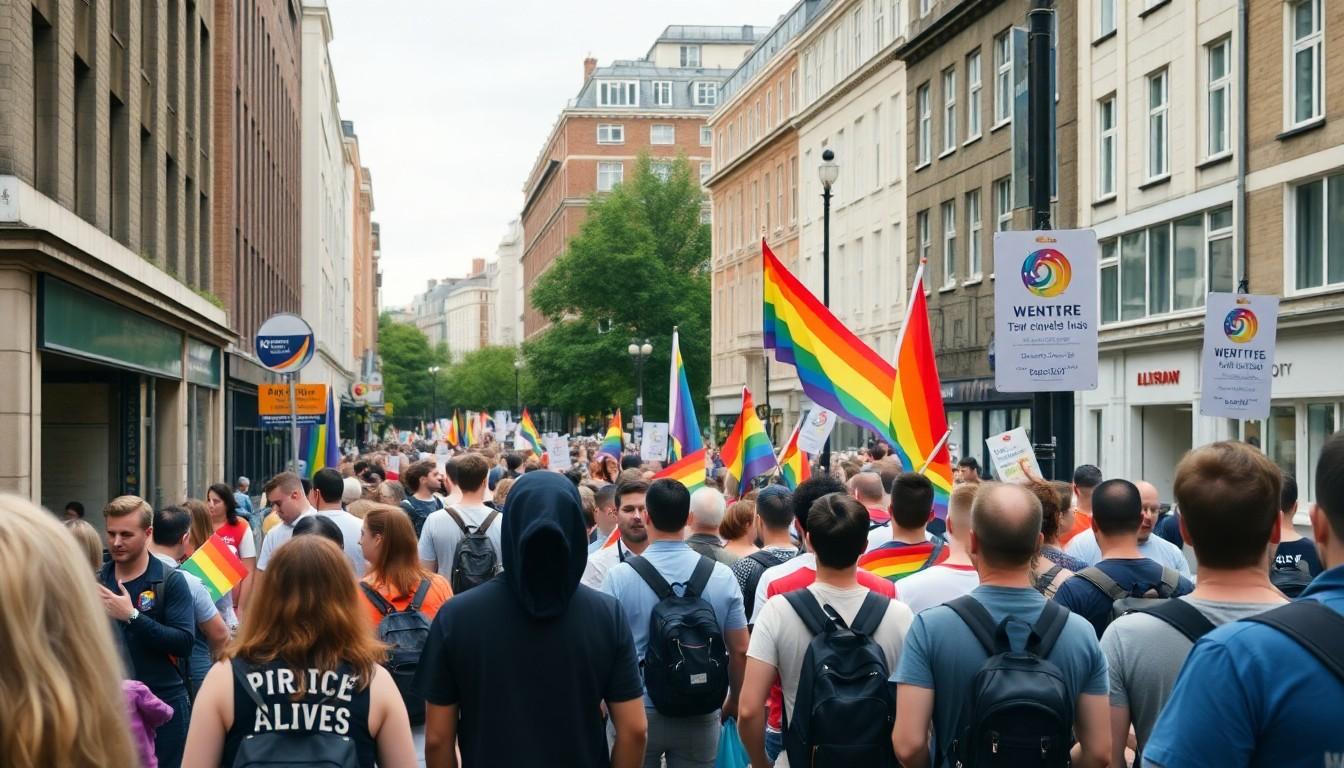
Coverage of public events like London Trans Pride shows how editorial choices remake an occasion. Broad-brush reports emphasised joy, colour and community; other footage and posts showed masked protesters, controversial placards and intense speeches. Both impressions can be true, yet which one dominates determines public understanding. Reuters-style balance isn’t always possible, but newsrooms should ask whether their picture is proportionate: have they shown the celebratory atmosphere and the fraught moments that matter to critics? For readers, that means treating single-minded visual narratives with healthy scepticism and seeking multiple outlets for a rounded view.
Courts, guidance and the work of testing implementation
A Supreme Court ruling or an official policy change is rarely the end point. The Times’ reporting on NHS Scotland demonstrates this: a legal judgment about the meaning of “sex” raised a new, practical question , have frontline boards updated guidance and behaviour? Journalists who check internal memos and speak to staff spot gaps between law and practice. That’s the kind of reporting that matters to people who use services, because it asks whether rules on paper are being reflected in day-to-day decisions. If you care about outcomes, follow the reporters who test implementation, not just the ones who celebrate judgements.
When watchdogs and charities become the story
Amnesty International’s withdrawn report and the ensuing regulatory scrutiny show how the spotlight can turn inward. Headlines naming organisations are dramatic, but the afterlife , governance reviews, regulatory filings, complaints and clarifications , often carries the substantive questions. Coverage needs to make clear the difference between allegation, investigation and established finding; failing that, readers are left with an impression that may overstate conclusions. As a news consumer, look for pieces that trace complaints through to outcomes and that clearly label what is alleged versus what’s proven.
The value of specialist outlets and local persistence
Sometimes mainstream outlets miss the through-line. Specialist and regional reporters frequently stick with stories long after they stop trending, from small legal appeals to nuanced local disputes. When a niche outlet persists, it can surface rulings and context that broader media don’t prioritise. That persistence often produces reporting that feels investigative rather than cursory. If you want the full story, mix national coverage with a few specialist or local sources , they’ll sometimes spot a development that shapes the national narrative later.
It's a small change that can make every headline clearer: read the follow-ups.
Source Reference Map
Story idea inspired by: [1]
Sources by paragraph: