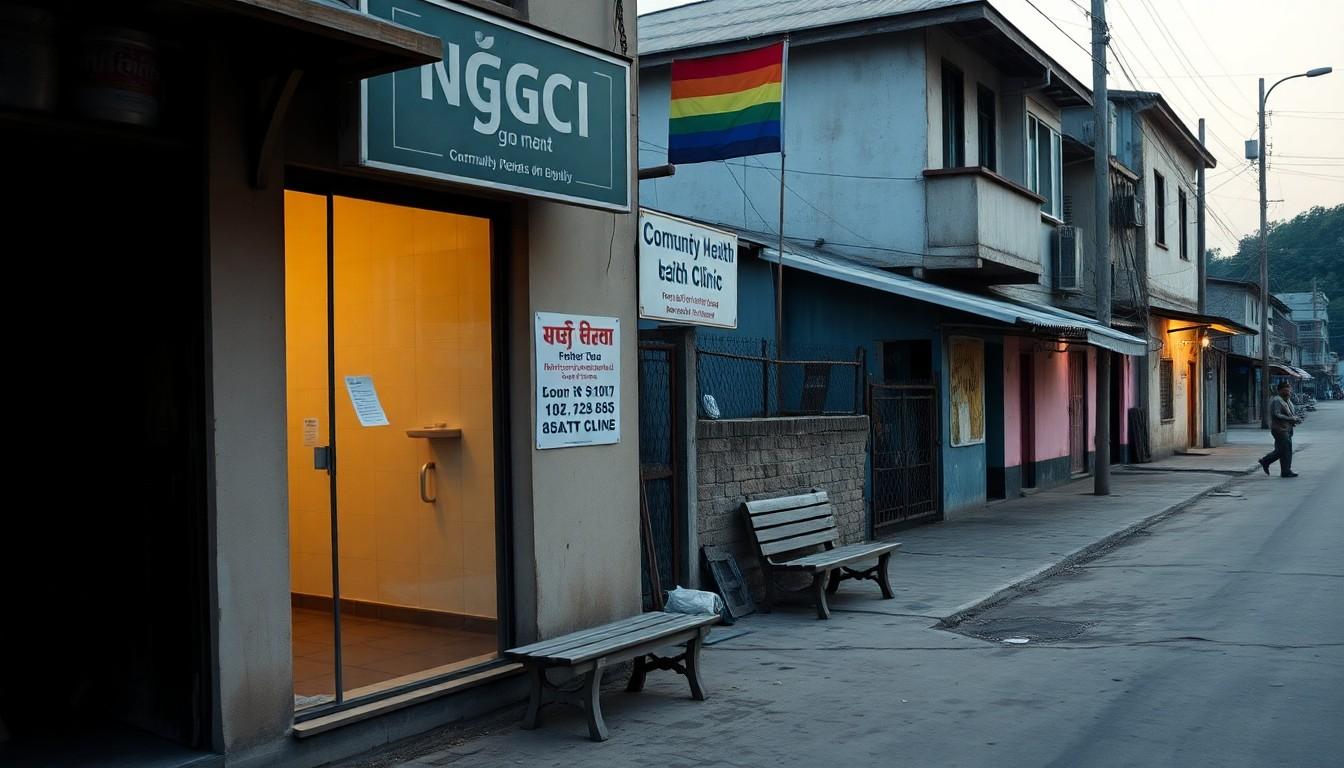
Watch as aid programmes unravel: former HIV outreach workers in Hetauda, Nepal, are now selling sex along the highway after sudden USAID funding cuts left them without jobs, housing or safety , a stark look at who pays the price when foreign aid is slashed.
Essential Takeaways
- Job loss at scale: Around 100 LGBTQ+ outreach workers in Nepal lost their roles after US funding for local HIV programmes was frozen and USAID was dismantled.
- From caregiver to client-facing risk: Many who once handed out condoms and ran tests now rely on sex work to avoid homelessness and hunger, a work environment with greater stigma and danger.
- Health services disrupted: HIV testing and prevention outreach in vulnerable communities has declined, raising public-health concerns.
- Local safety and livelihoods: The cuts have had an outsized impact on marginalised groups, particularly transgender people, who faced few alternative job options.
- Human cost is visible: Former colleagues say these workers would return to nonprofit roles in a heartbeat , the choice to sell sex is one of survival, not preference.
An abrupt policy shock with a human face
When funding evaporates, the first casualties are often the people on the ground who keep services running, and in Hetauda you can see that clearly. According to AP reporting, outreach workers who once walked the streets handing out condoms and running HIV tests now stand by the highway selling sex, a change that feels both stark and personal. The programmes they ran were supported largely by the US Agency for International Development, and when Washington froze funds and later dismantled parts of the agency, the local safety net disappeared overnight.
This isn't just an economic shift; it's a sensory one , the steady rhythm of community outreach replaced by roadside negotiations and the ever-present anxiety of survival. The Washington Post has traced how the budget decisions filtered down to day-to-day realities in Nepal, showing how macro policy choices quickly become micro tragedies for vulnerable workers.
Why marginalised groups were hit hardest
Transgender and LGBTQ+ workers bore the brunt because they had fewer footholds in formal employment to begin with. NGOs had offered not only income, but dignity, community and a degree of protection. Once those roles vanished, so did routine pay, referrals for healthcare, and in some cases, housing support. AP profiles highlight that people like Rubi Lama spent nearly a decade in outreach before being pushed into sex work to avoid homelessness.
Local labour markets rarely absorb large numbers of sudden job losses, and when the jobs are specialised , health outreach, peer counselling, targeted prevention , retraining options are limited. The result: a rapid slide into precarious work that increases exposure to violence and disease.
Public health consequences ripple outward
When HIV prevention teams shrink, testing rates fall and condoms become less accessible, and that matters beyond any single town. Public-health officials warn that gaps in outreach can reverse years of progress. Reuters and AP coverage has pointed out that lost trust and reduced contact with at-risk populations make it harder to spot and treat infections early, so the community consequences are immediate and long-lasting.
If you’re thinking about impact mitigation, the practical takeaway is clear: continuity of funding for prevention services matters as much as crisis funding. Local health systems need contingency planning, and donors should consider transition strategies when withdrawing support.
How organisations and communities are responding
Some organisations tried emergency measures, but the scope of the cuts made patchwork responses inevitable. The Washington Post’s reporting shows that local NGOs scrambled to reallocate resources and that international partners debated whether to step in, while workers organised for basic protections. Still, temporary support can’t replace steady wages or the social safety nets that come with formal employment.
For readers thinking about how to help, consider supporting grassroots organisations that provide direct support to displaced outreach workers, or groups that offer legal and employment services to LGBTQ+ communities. Even small donations to local charities can help bridge gaps while longer-term solutions are sought.
What this says about policy choices and human costs
Policy decisions in distant capitals manifest in very human ways on the ground. When the US government froze USAID funding and later disassembled parts of the agency, the fallout in places like Hetauda was immediate and brutal. Reports from AP and the Washington Post make it clear: these were predictable outcomes, not unfortunate accidents.
Looking ahead, if donors and governments want to avoid similar harm, they need clearer transition plans, protections for marginalised workers, and mechanisms to ensure that life-saving public-health work continues even amid political shifts. It's a reminder that the most vulnerable are often the ones who pay for policy experiments.
It's a small change in funding that can make every outreach worker's future safer , and every community healthier.
Source Reference Map
Story idea inspired by: [1]
Sources by paragraph: