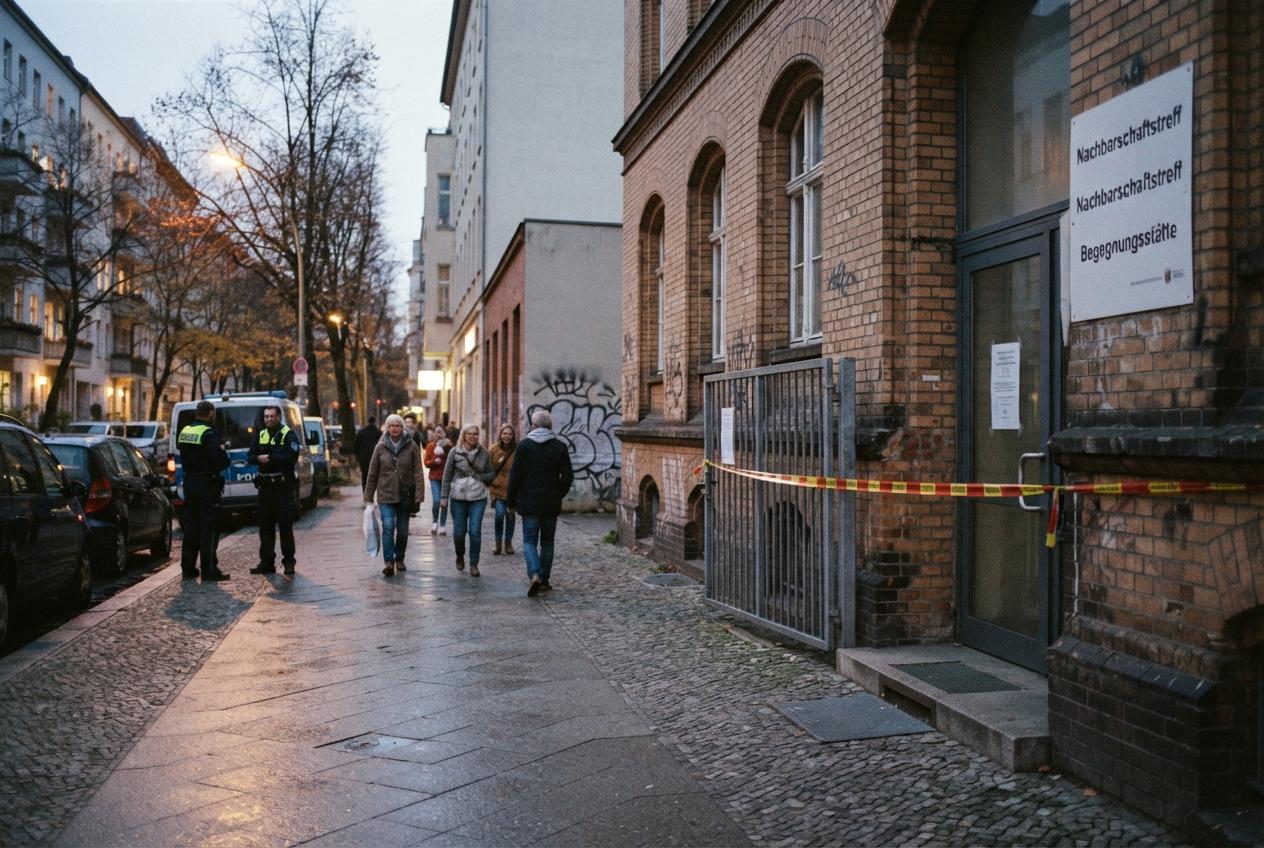
Witness sombre streets and shaken communities: readers across Germany are following the aftermath of the Berlin Christopher Street Day attack, as officials, witnesses and analysts weigh motives, security gaps and the creeping intimidation that predates violence , and why the debate matters for public life and civil liberties.
Essential Takeaways
- Immediate facts: A shooter attacked the Berlin CSD, killing one person and injuring dozens; authorities quickly treated the incident as terrorism.
- Suspect background: The alleged attacker was known to police, had prior convictions and signs of radicalisation, and had been previously released under probation.
- Wider fear: Officials and community members report growing intimidation of LGBT+ people and religious minorities long before violent acts occur.
- Security debate: Political leaders urged resilience while experts argue for sharper prevention, from courts to schools.
- Practical note: Events will continue, but organisers and attendees are reassessing safety measures and community support.
What happened at the parade, in plain terms
The attack unfolded suddenly, leaving a city in shock and a public grieving the dead and tending the injured, many of them traumatised and confused. Reuters and Euronews reported the immediate response as emergency services rushed to the scene and investigators moved to secure the area. The visceral image , people fleeing, medics working under grey summer light , is already shaping national conversation. For attendees and onlookers, the emotional aftertaste is as important as the facts: pride turned to pain in an instant.
The suspect’s path and the questions it raises
Authorities say the alleged perpetrator was no stranger to officials: a young man with prior run-ins and evidence of radicalisation, who had earlier been released on probation. AP and local outlets note that prosecutors and courts had handled previous charges, prompting debate over how best to manage individuals judged at risk of violent escalation. That ladder from petty crime to political violence is painfully familiar to counter-terrorism experts , and it raises practical questions about monitoring, mental health support and the legal thresholds for detention.
Why intimidation matters long before a gun is drawn
It's easy to treat terror as a discrete event, but the social climate that allows it to fester is subtler and slower. Community leaders and security officials have pointed out patterns of daily intimidation: homophobic taunts on school playgrounds, pressure in parent groups, threats that make people change routines. NDR and Deutschlandfunk coverage highlights how such everyday hostilities can normalise exclusion and feed radical narratives. Combating that atmosphere isn't just policing; it's culture work in schools, clubs and local politics.
The political and security balancing act
Chancellor-level calls to "not be intimidated" reflect a desire for civic resilience, but they don't answer how to reduce risk. Politicians, including federal ministers, have publicly framed the attack as an Islamist-motivated act, and that shapes policy talk , more surveillance, tougher sentences, expanded prevention. Yet civil liberties advocates warn against blanket approaches that stigmatise whole communities. The debate is now about targeted measures: better risk assessment, clearer pathways for deradicalisation, and smarter resource allocation for events that attract big crowds.
What this means for events, organisers and everyday people
Parades, markets and festivals will continue, because public life can't be suspended by fear. Organisers are revisiting security plans: clearer evacuation routes, more medics on standby, collaboration with police and community stewards. For individuals, small practical steps help , travel in groups, note exits, report threats early, and check with organisers about on-site safety. Equally important is social support: speaking up against bullying, backing local LGBT+ and Jewish groups, and pushing for school programmes that teach mutual respect.
It's a small change in habit and policy that can make public gatherings feel safer again.
Source Reference Map
Story idea inspired by: [1]
Sources by paragraph: