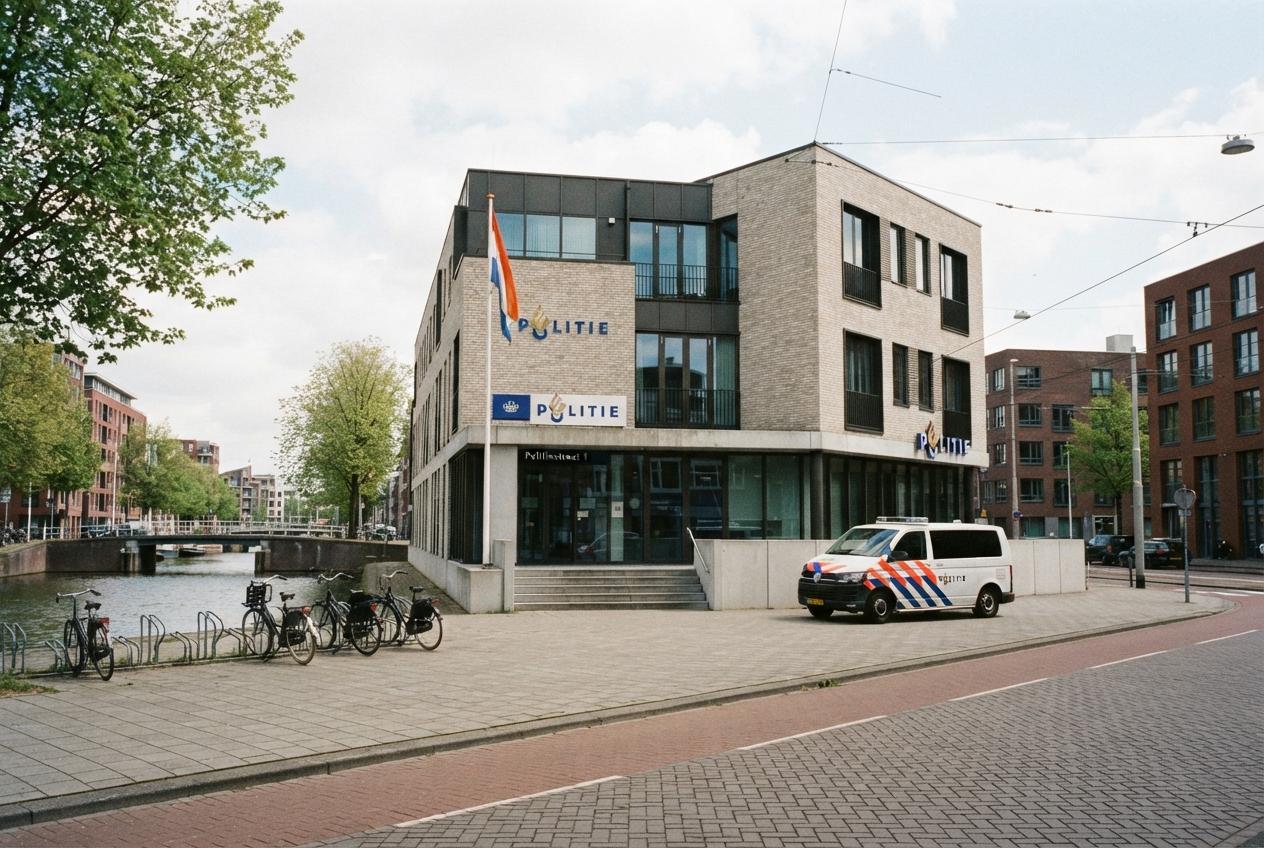
Witnesses are sounding the alarm after three possible anti-LGBTQ+ assaults on Roze Maandag in Tilburg, prompting police inquiries and wider questions about acceptance, safety and whether people feel able to report harassment. This matters to festivalgoers, organisers and anyone who cares about public safety.
Essential Takeaways
- Three assaults under investigation: Police say three separate incidents on Roze Maandag may have been motivated by anti-LGBTQ+ bias and are being probed using camera footage.
- Witness accounts are vivid: Bystanders described hearing slurs, seeing one victim kicked and filmed, and a panicked crowd; the injured person was taken to hospital and later filed a report.
- Low reporting complicates the picture: Local helplines and Safe Space volunteers recorded only a handful of reports, suggesting many incidents may go unreported.
- Community and politicians responding: Local councillors have asked for clarification and the municipality urges anyone affected to come forward.
- Broader worry about acceptance: Regional reporting shows a continued lack of acceptance among some young people in Brabant, feeding concern about rising hostility.
What the police say , three incidents, cameras and an ongoing probe
The clearest fact is that the police are investigating three episodes from Roze Maandag that may be hate-motivated. Officers have reviewed CCTV and say footage captures perpetrators shouting slurs, and in one case filming the assault itself. That mix of visual evidence helps the inquiry, but has not yet led to arrests. According to local reporting, detectives are still collecting footage and witness statements to build the cases.
Context matters: big public events are noisy and chaotic, and proving motive can be tricky. If you were there, even a short clip or a timestamp can be crucial. The practical advice for witnesses is simple , preserve any video, note times and locations, and contact police or the festival's safety team.
A witness account that puts a human face on it
One witness described arriving home from a nearby event to find someone being beaten and kicked while other revellers panicked. She rang 112 but was warned by others to keep moving for her own safety. The injured person went to hospital and filed a formal complaint afterwards. Witnesses like this one often carry lingering shock, and their willingness to speak up is key to investigations.
Victims and bystanders sometimes stay silent because they fear escalation or doubt that reporting will help. That reluctance is exactly why authorities and community groups stress the importance of reporting, even after the fact.
Why official numbers understate the problem
Despite troubling accounts, local helplines and the Safe Space set up at the fair saw only a few reports. The discrimination hotline recorded two reports , one involving aggression , and the Safe Space received a single report after Roze Maandag. That gap between rumours and formal complaints is familiar: many incidents are handled informally, not escalated, or not reported at all.
For festival organisers and safety volunteers, this creates a blind spot. If you're planning to attend a crowded event, consider a safety plan: go with friends, agree on check-in times, note where security posts are, and keep short video evidence if an incident occurs.
What politicians and community groups are saying
Local councillors have asked for clarity and data, warning that acceptance may be eroding. The municipality has said it takes all signals seriously and is encouraging people to come forward. Community groups that provide Safe Space services stress that a visible support presence matters , both to help victims and to show solidarity.
This is the moment for authorities to show tangible follow-up: more visible reporting channels, clear guidance for witnesses, and prompt feedback to communities can help rebuild trust that filing a report leads to action.
A wider trend , acceptance isn't universal among young people
Regional coverage has highlighted that many young people in Brabant still express discomfort with LGBTQ+ identities, a reminder that intolerance can be generational as well as situational. That doesn't excuse violence, but it helps explain why verbal abuse or exclusion may sometimes escalate in crowded settings.
If you're a parent, teacher or youth worker, talking to young people about respect and consent before big events can change how groups behave on the night. And if you're an attendee, supporting visible safe spaces and volunteers can make a real difference.
It's a small change that can make every night out a little safer.
Source Reference Map
Story idea inspired by: [1]
Sources by paragraph: