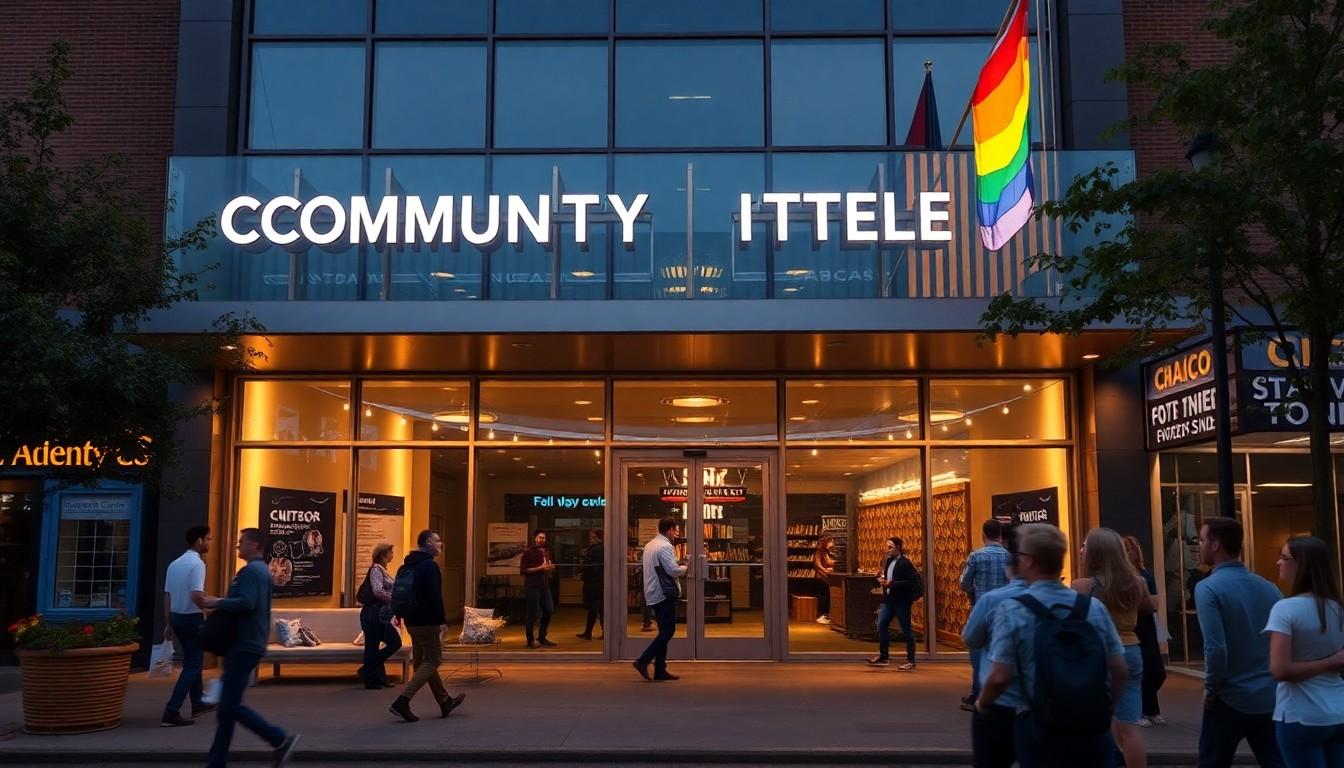
Spot a dreamy, ripped poster on Instagram? Don’t assume it’s real. Event-goers and promoters across queer communities are spotting AI-made flyers and questioning authenticity, representation and the value of hiring local queer artists , this matters for trust, ticket sales and community care.
Essential Takeaways
- AI flags are common: Visuals for queer parties increasingly show tell-tale AI artefacts , odd fingers, mirrored nipples, uncanny symmetry.
- Scepticism hurts turnout: Promos that look generated can make people doubt the event’s legitimacy or the promoter’s care.
- Representation problems: AI tends to flatten diversity into clichés , lots of white leathermen or token inclusion , missing real community nuance.
- Artists lose out: Using AI cheaply undercuts queer designers and local creatives who bring authenticity and lived experience.
- Simple fix: Ask who made the art; hire a queer artist or use clearly labelled, verified photography for better results.
Why one Instagram flyer is stirring bigger questions
A screenshot of a club flyer might seem trivial, but it set off alarm bells for readers and promoters alike when detection tools labelled it likely AI-generated. The image’s mirrored bodies and near-identical faces give a cold, plastic feel that makes you notice things , like seven fingers , in a way real photos rarely do. According to reporting in local outlets, these moments make audiences wonder whether the whole event is a copy-paste fantasy instead of a lived queer space. That sense of unease matters when people are choosing where to spend their nights and money.
How AI makes queer visuals look familiar , and flat
Prompts fed into image generators often default to stereotypes: hirsute men, glossy skin, rainbow motifs , and not the messy, gorgeous reality of queer social life. Academics and coverage note that AI models classify people into tidy boxes, which clashes with how many queer folks identify. The result is bland, identikit artwork that signals a lack of imagination. For promoters aiming to convey a particular vibe , trans-inclusive, leather-heavy, artsy or community-focused , an AI image often misses the mark.
Practical harm: trust, turnout and creative livelihoods
It’s not just aesthetics. Promoters who slap an AI-made flyer on Instagram risk undermining trust; potential attendees might assume the promoter cut corners and therefore cut corners on safety, sound or curation. Meanwhile, queer designers and illustrators lose commissions to instant-generation tools. Several community members quoted in recent reporting urged organisers to think beyond short-term savings: commissioning custom art shows care and signals investment in the scene, which can actually boost ticket sales and word-of-mouth.
How to spot AI promos , and what to do next
Train your eye for giveaway quirks: strange hands, repeating patterns, odd symmetry and overused symbols. Use free detector tools as a starting point, but don’t treat them as definitive , they’re imperfect. Better moves: ask organisers who made the art, look for credited photographers or designers, and message the venue direct if something feels off. If you’re promoting, consider a simple checklist: credit the creator, show behind-the-scenes shots, or state “art by” so your community knows the work is real.
Why hiring queer artists actually sells more than AI
Promoters who invest in custom imagery get more than a prettier flyer. Artists bring story, in-jokes, local references and the lived details that make a party feel like a night you can’t miss. DJs and promoters in several reports say that flyers based on real people and moments communicate that a night is thoughtfully produced. In short, authenticity translates into atmosphere , and atmosphere sells tickets. If budget’s tight, barter with local creatives or run a design contest; both lift community voices and keep promo original.
It’s a small change that can make every flyer feel more honest , and every queer night more worth showing up for.
Source Reference Map
Story idea inspired by: [1]
Sources by paragraph: