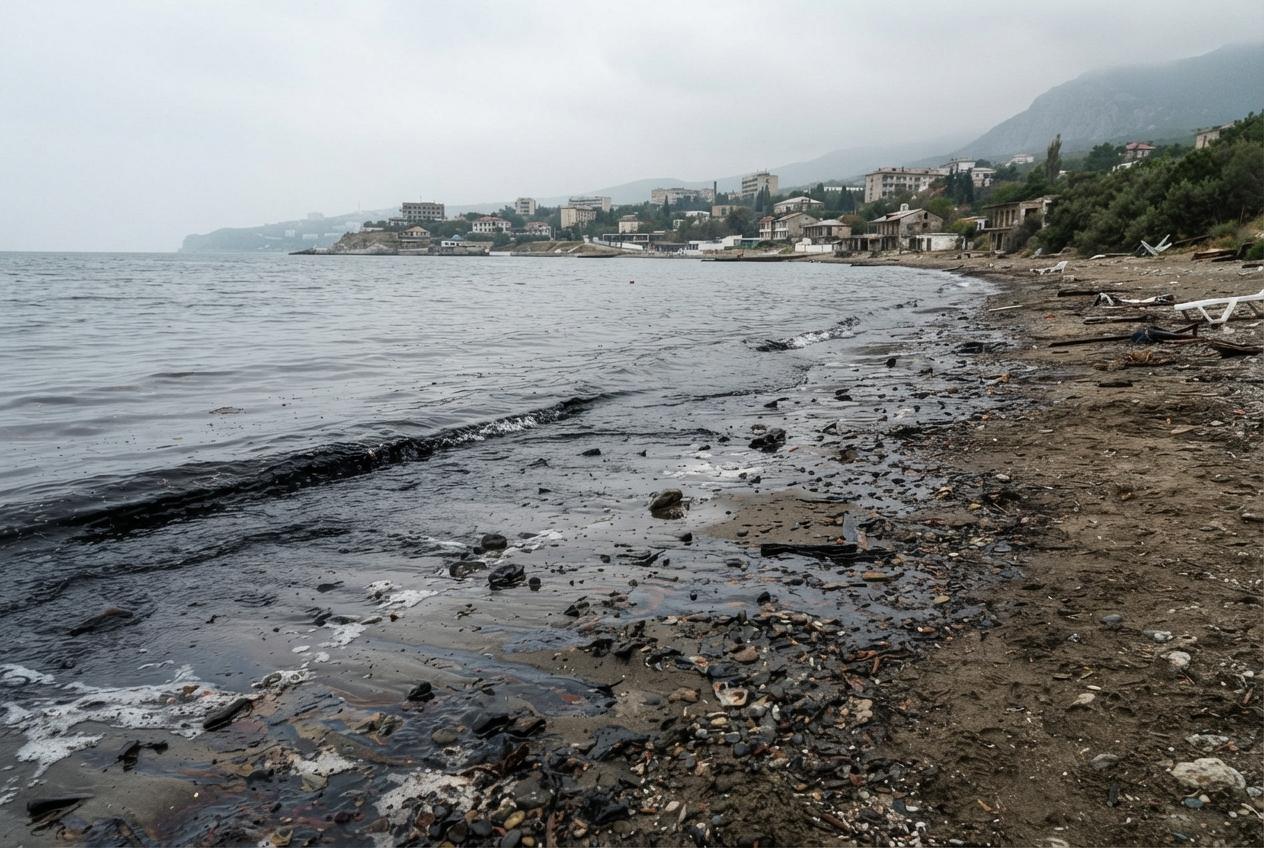
Shoppers are still flocking to sun and sand, even as oil streaks spoil the shorelines and missile strikes turn parts of Crimea into a risky holiday. Russians are choosing convenience, patriotism or habit , and that matters for health, local economies and the shape of a contested seaside summer.
Essential Takeaways
- Widespread pollution: Large fuel‑oil slicks and tar on beaches make sunbathing unpleasant and potentially hazardous.
- Safety incidents: Missile strikes and intercepted missiles have killed holiday‑makers and raised acute security fears.
- Economic pull: Cheap, accessible resorts and limited travel alternatives keep many visitors coming.
- Health concerns: Authorities warn of contamination risks; some swimmers report skin and eye irritation, oil smell is persistent.
- Visitor mindset: For many, nostalgia, domestic tourism patterns and restricted choices outweigh visible environmental hazards.
Tourists still arrive despite sticky, smelly sand
The first thing you notice is the smell , a sharp, petrol‑like tang carried inland from the water, and the black smear that stains towels and feet. Meduza reports beaches along the Black Sea coast are littered with fuel oil and tar, turning formerly sandy coves into messy, oily stretches. Visitors describe a grim sensory experience, but they often shrug it off: the sun is out, the beach is close, and for many that's enough.
This grim scene has roots in multiple incidents of spills and leaks over recent years, and local clean‑ups struggle to keep pace. For holiday‑makers, that translates to trade‑offs , a cheaper trip, but one with a persistent unpleasantness. If you’re planning to visit, bring dark towels and a sealable bag for oily items, and avoid contact if your skin is broken or sensitive.
Missiles and accidents have added a layer of acute danger
Beyond pollution, violence has intruded on leisure. Multiple reports note that missiles and intercepted munitions have struck near or on beaches, killing holiday‑makers in some incidents. One recent strike over a Crimean beach reportedly resulted in civilian fatalities, and international outlets have covered similar tragedies. The threat is sudden and lethal; it changes a holiday from a low‑risk escape into a place where things can go very wrong, very quickly.
Authorities sometimes close stretches of coastline, but closures are sporadic and enforcement varies. If safety feels uncertain, locals advise staying away from obvious military targets, following official notices and avoiding crowded beach clusters near ports or bases.
Why people still choose Crimea: price, pride and practicality
So why do Russians keep heading to the peninsula? Analysts point to a mix of factors: limited foreign travel options, the low cost of domestic seaside resorts, and a cultural habit of seaside holidays. For many families it’s simply the most affordable way to get a week by the sea. There’s also an element of patriotism and normalisation , visiting is framed as supporting domestic tourism in a tense time.
Compare that with alternatives. Flights abroad can be expensive, complicated or unavailable, and many coastal regions within Russia are further away or pricier. If you’re weighing options, consider travel insurance that covers political risk (where available) and pick accommodation slightly inland rather than right on the exposed shore.
Environmental clean‑ups lag and the consequences ripple
Environmental monitoring groups and local outlets have charted repeated fuel‑oil emissions along the coast, sometimes overwhelming small municipal clean‑up teams. The long‑term effects include damaged local ecosystems, fish kills, and the tarnishing of resorts that rely on repeat visitors. The Moscow Times previously recorded Epiphany swimmers entering fouled waters , a stark visual of cultural rituals colliding with pollution.
If beaches matter to you, seek out establishments that publicly commit to clean‑up efforts or community restoration projects. Small hotels and guesthouses that invest in regular debris removal will often be more reliable for a cleaner stay.
Practical tips if you’re thinking of a Crimean break
Keep it simple: inspect the shoreline photos before you book, favour pebble coves over oily sand where possible, and bring protective gear , wetsuits, gloves and packing bags for contaminated clothes. Check local health advisories and pick accommodation with good reviews for cleanliness. And if you’re travelling with kids, be conservative: oil residues can irritate skin and eyes, and the psychological shock of an emergency can be hard to handle.
Travel choices always balance risk, cost and desire. For many Russians the pull of a nearby beach still wins, but for anyone who values clean water and quiet safety, those factors now count more than they used to.
It's a small change in plan that can make every summer safer and cleaner.
Source Reference Map
Story idea inspired by: [1]
Sources by paragraph: