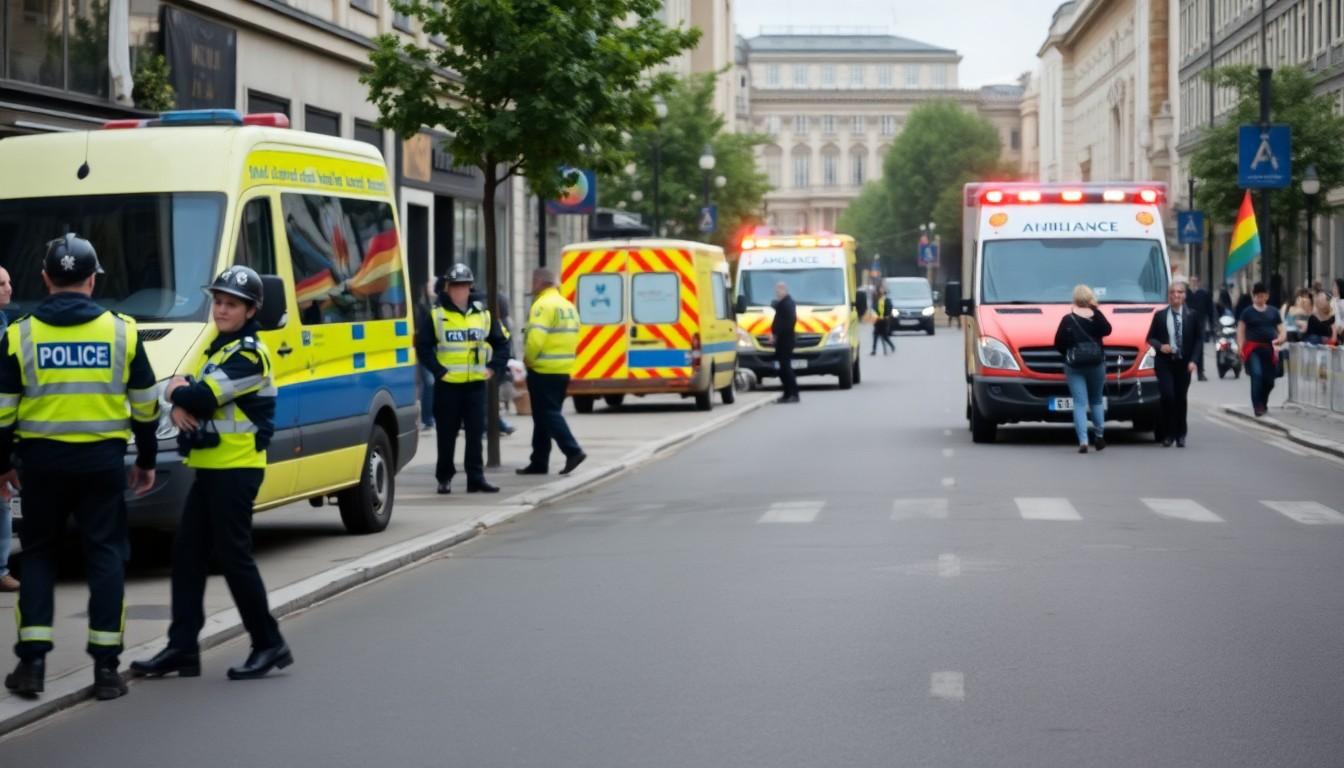
Shocked crowds and concerned advocates are reacting after a van drove into spectators at a Berlin Pride event, killing one and wounding many; organisers, governments and rights groups are warning queer people to take precautions as political tensions and travel advisories put safety in focus.
Essential Takeaways
- Casualties reported: A van struck a crowd at a Berlin Pride gathering; authorities confirmed at least one person dead and multiple injured, some seriously.
- Immediate response: Police and emergency services quickly secured the scene while organisers halted festivities and began assisting victims.
- Safety advisories renewed: German and international LGBTQ groups are renewing warnings for trans and nonbinary travellers amid concerns about how identity markers are handled at borders.
- Political backdrop: Rights groups link the incident and broader safety worries to rising anti-LGBTQ rhetoric and policies abroad, urging governments to act.
- Practical note: Experts advise attendees at public queer events to stay aware of exits, travel in groups where possible, and check official advisories before trips.
What happened at Berlin Pride , the scene and immediate reactions
Witnesses described a sudden, chaotic moment when a vehicle drove into people gathered for the Pride event, leaving a scene that felt raw and stunned, with bystanders and organisers scrambling to help. Emergency services arrived quickly and secured the area as medics treated the wounded and police launched an investigation. Local news outlets reported one confirmed death and multiple injuries, some severe, while organisers paused events and set up support for those affected. The images and sounds that followed , people calling for help, volunteers offering blankets and water , underline how fragile public celebrations can be when safety collapses in an instant.
How officials and community groups responded
Police opened inquiries into the incident and emergency services prioritised stabilising the injured. Meanwhile, LGBTQ groups and Pride organisers issued statements condemning the violence and calling for solidarity and care for victims. Internationally, the attack prompted swift compassion from allies and fresh warnings from advocacy organisations. Publications covering the region noted that public gatherings like Pride carry both symbolic value and practical vulnerability, and leaders emphasised the need for better protection and resources at such events.
Travel advisories, identity markers and the wider political context
The incident comes at a tense moment for LGBTQ rights globally, with some rights groups tying safety worries to hostile policies in other countries. German organisations reiterated travel advisories issued previously for trans and nonbinary people, pointing to rules that complicate travel and identity recognition. Those advisories stem from policy shifts that affect how gender is recorded on travel documents, and rights groups warn that mismatches between passports and a traveller’s presentation can cause problems at borders and checkpoints. That practical friction translates into real anxiety for people planning to attend international events or travel to countries with restrictive rules.
Why this matters for Pride events and public safety
Pride celebrations are both joyous and highly visible, which is why incidents like this shake communities so deeply. Organisers must balance visibility with security, and the attack is likely to prompt fresh discussion about policing, event planning and emergency preparedness at queer gatherings. If you’re planning to attend a Pride or large public event, consider simple precautions: note exits, travel with friends, keep emergency contacts handy, and follow guidance from organisers. For trans and nonbinary travellers, double-check passport details and consular advice before you go.
Looking ahead , investigations, solidarity, and what to expect
Authorities will continue their probe into the motives and circumstances behind the vehicle striking the crowd, and community leaders are already mobilising support networks for survivors and families. Human rights groups are calling for not just accountability but also improved safeguards for future events. There’s a real human cost here , grief, pain and renewed fear , but the response so far shows how quickly communities rally. Expect more public conversations about protecting visible queer spaces, cross-border travel rules, and the responsibilities of host cities to keep people safe.
It's a small change of habit and planning that can make attending public events feel safer.
Source Reference Map
Story idea inspired by: [1]
Sources by paragraph: