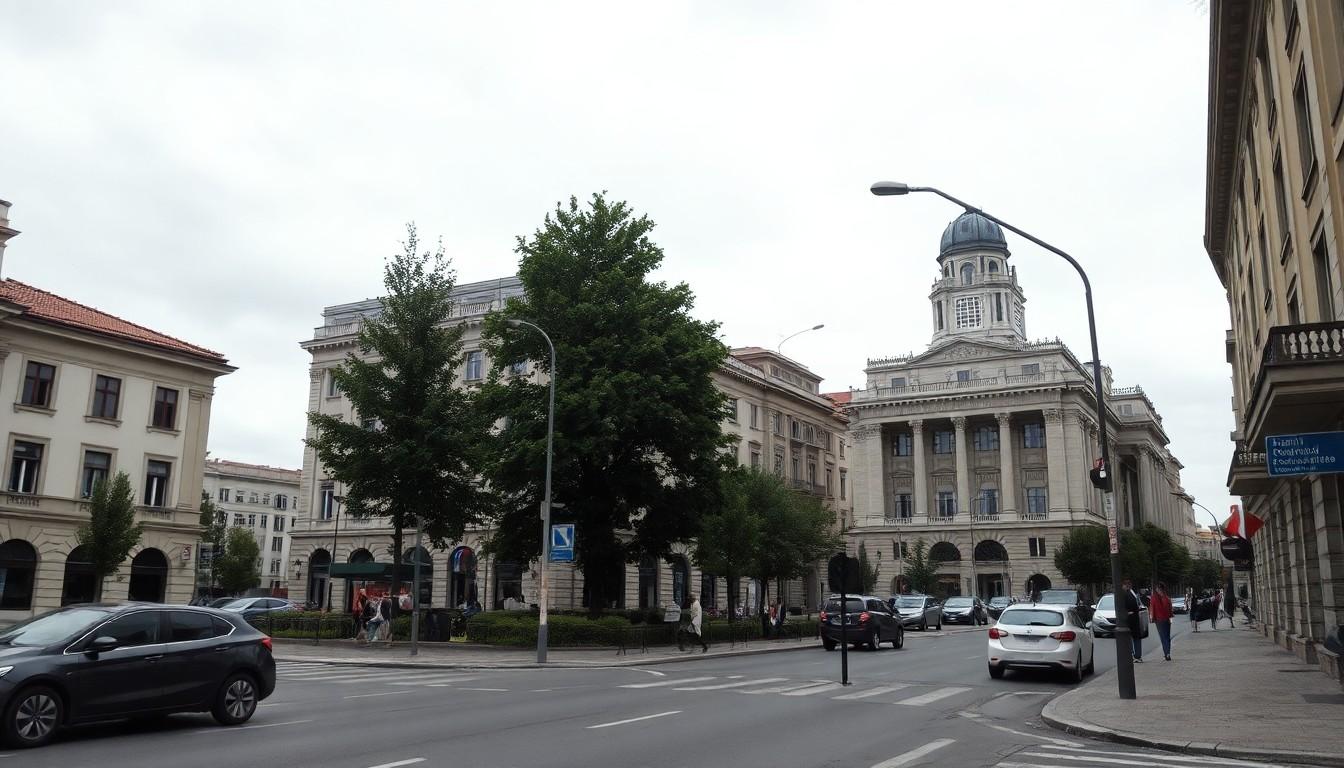
Shouting defiance, organisers in Oradea are pressing ahead with a Pride march this weekend after the city council rejected every proposed route for the fourth year running; it’s a story about access to public space, European scrutiny, and why small administrative excuses are now a big rights issue.
Essential takeaways
- Fourth ban: Oradea city authorities have refused permission for Pride for the fourth consecutive year, citing logistical and technical reasons.
- Mass submissions: Organisers submitted more than 100 potential routes this year after previous rejections of fewer options.
- Regional concern: Over 125 organisations across Europe and bodies including the Council of Europe have called for the march to be allowed.
- Legal push: Campaign groups are pursuing remedies, including appeals to the European Commission and plans for litigation at the European Court of Human Rights.
- Community impact: Activists say the repeated refusals feel targeted and discriminatory, and past unauthorised events drew fines and diplomatic attention.
Why Oradea’s repeated refusals matter now
The stark fact is this: a major EU city has effectively blocked Pride four years running, and that feels wrong to many people who follow democratic norms. Organisers say the council’s grounds, ongoing infrastructure works, clashes with other public events, unavailable parks, have varied each year, which undermines the idea these are genuine one-off problems. The detail that volunteers offered more than 100 alternative routes this time makes the refusals look less like logistics and more like obstruction.
That pattern has drawn wider attention. According to reporting in the Guardian, the phenomenon isn’t happening in isolation; campaigners and rights groups in Europe see it as part of a trend where authorities use administrative reasons to limit LGBTQ+ assembly. If you care about how public space is policed, this is a clear warning sign.
How organisers are responding , determination, planning and legal action
Ark Oradea and allied groups have moved from negotiation to defiance with plans to go ahead regardless of approval, mirroring last year when an unauthorised march drew several hundred people and fines. There’s a practical, gritty feel to their approach: expand the list of routes, involve diplomatic missions, and document each refusal as a step toward legal remedy.
NGOs have already asked the European Commission to step in, and others have signalled intent to take the case to the European Court of Human Rights. That’s a signal that this is no longer a local squabble , it’s becoming a legal and political test of how member states protect the right to peaceful assembly.
The wider European context: comparison with Hungary and democratic backsliding concerns
Supporters have compared Oradea’s situation with recent actions in Hungary where Pride and other LGBTQ+ demonstrations faced restrictions. Those comparisons feed into a broader narrative about democratic backsliding in parts of Europe, where local administrations sometimes use neutral-sounding rules to curtail minority rights.
Human-rights groups argue that when an authority systematically prevents a community from assembling, it weakens a principle that belongs to every citizen. That’s why more than 125 organisations from 30 countries issued a joint statement urging Oradea’s mayor and Romanian authorities to allow the march and ensure safety for participants.
What this means on the ground for participants and residents
For people planning to attend, expect a charged, determined atmosphere and a close watch from rights monitors and diplomats. Safety and clear communication will be priorities; organisers have historically signalled intent to proceed peacefully and to work with international observers to document any incidents.
If you’re a local resident curious about the event, know that last year roughly 500–600 people joined an unauthorised march and authorities handed out fines. This time there’s wider diplomatic presence and legal attention, so any attempt to penalise participants risks escalating into an international human-rights dispute.
What happens next , legal, political and civic fallout
If the march goes ahead and is met with obstruction or fines, expect the story to move quickly from local news into European institutions and courts. Litigation at the European Court of Human Rights is already on the horizon, and the case could set a precedent about how municipal authorities may or may not limit assembly rights under the guise of technicalities.
On a human level, organisers say they want to feel welcome in their own city. That simple longing , to march, be seen and be safe , is what has neighbours, diplomats and rights groups watching closely.
It's a small move that could make a big difference to how countries protect the right to assemble.
Source Reference Map
Story idea inspired by: [1]
Sources by paragraph: