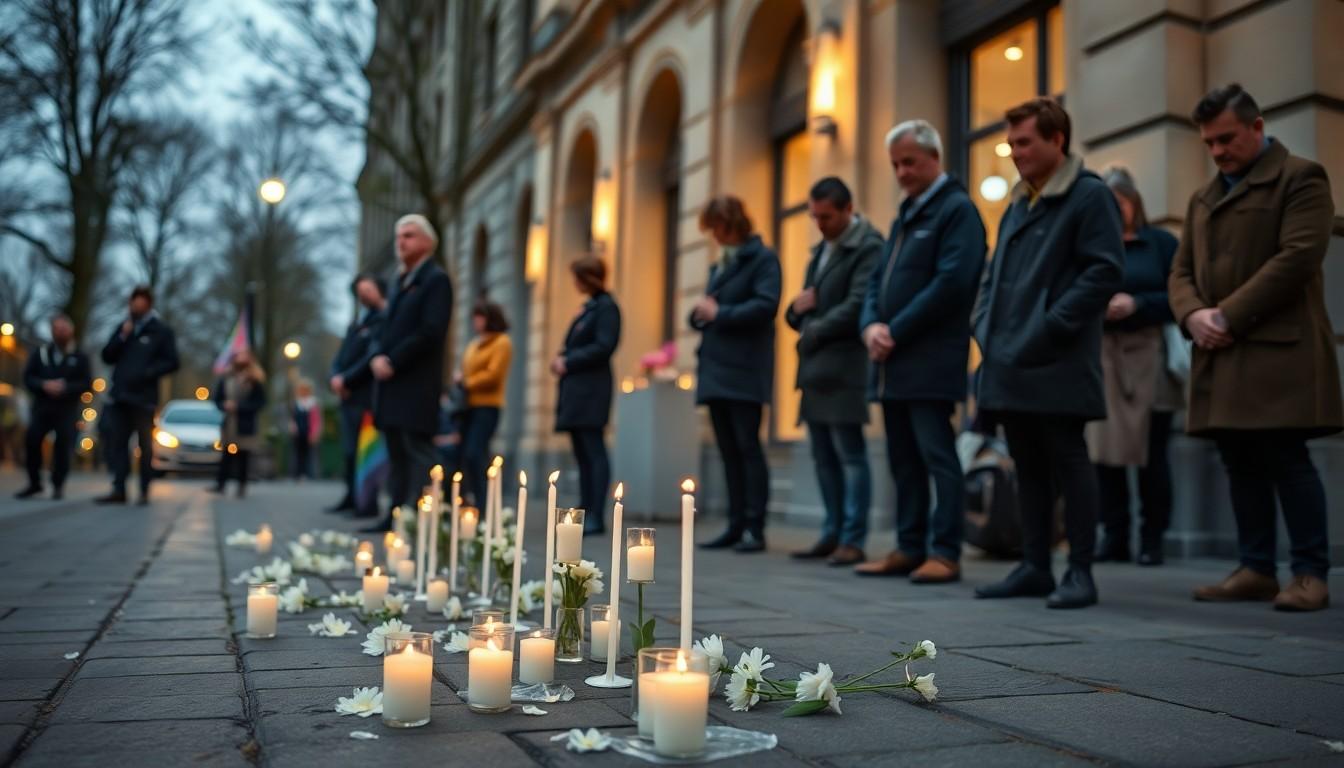
Shocked and solemn, Cologne Pride has publicly expressed solidarity with Berlin after a suspected attack at the Christopher Street Day parade; leaders, politicians and local groups in Cologne are calling for mourning, safety and unity as questions about motives and prevention remain.
Essential Takeaways
- Immediate solidarity: Cologne Pride posted a heartfelt Instagram statement expressing deep shock and support for Berlin’s organisers and victims.
- Local leadership response: Cologne’s mayor Torsten Burmester framed the attack as an assault on freedom and diversity, reaffirming Cologne’s commitment to safe celebrations.
- Calls for restraint: Bundestag member Sven Lehmann urged against quick political finger-pointing and asked for space to grieve.
- Community actions: Vigils and a memorial service in Cologne were organised to honour victims and signal collective resilience.
- Political condemnations: Figures including Karl Lauterbach and Hendrik Wüst publicly denounced the attack as an attack on open society.
Cologne Pride’s message: solidarity wrapped in sorrow
Cologne Pride’s Instagram post landed with the bluntness of a citywide sigh, expressing shock and standing “side by side” with Berlin’s community. The language was simple but vivid, and it showed a city that only weeks earlier had celebrated CSD under the slogan “For queer rights , many. Together. Strong!” This public gesture matters: it moves the conversation from isolated horror to communal care, and signals that queer networks across Germany are watching and supporting one another. If you want to show solidarity locally, organisers say bringing a flag or lighting a candle at a vigil is an immediate, respectful step.
Civic leaders condemn the attack and promise protection
Cologne’s mayor Torsten Burmester spoke directly to the emotional stakes, calling the incident an attack on freedom, diversity and the right to be oneself without fear. Statements like his do more than condemn; they set a tone for municipal policy and public safety decisions in the weeks to come. For attendees and organisers, that translates into practical questions: will parades have increased policing, more medical posts, or stricter vehicle barriers? Keep an eye on local council updates if you plan to attend future events.
Don’t rush to politicise , a call from Sven Lehmann
Sven Lehmann, the Green MP, pushed back against immediate speculation about motives and urged people to allow the queer community time to grieve. His plea is a reminder that, in the fog after violent incidents, rumours and rapid attribution can inflame tensions and harm the community. Lehmann also noted that both Islamist and right-wing extremism pose threats to queer people, so investigators must focus on facts. For friends and allies, the practical takeaway is simple: listen, avoid amplifying unverified claims, and support victims’ need for space to process.
Grassroots responses: vigils, candles and a church service
In Cologne, the Left party organised a candlelit vigil on Rudolfplatz, asking people to bring rainbow flags and symbols of solidarity. The Queer Church in Cologne scheduled a memorial service offering a space for anger, fear and mourning. Those grassroots rituals matter because they turn abstract outrage into bodily presence and communal care , small acts that help people feel less alone. If you’re attending, expect quiet reflection, brief speeches, and a chance to sign condolence books or donate to victim support funds.
Political voices and public mood: what comes next?
National figures such as Karl Lauterbach called the act “cowardly” and urged swift justice; regional leader Hendrik Wüst likewise condemned the attack as an assault on freedom. Their reactions will likely influence public debate about safety, extremism prevention and funding for queer-protection programmes. The more immediate civic question is whether cities will change how they stage Pride events: think more barriers, reinforced medical response, and clearer communication lines. Ultimately, communities will be watching how authorities balance visibility with safety.
It's a small but powerful reminder that public celebration and public safety are intertwined, and that solidarity is the first step toward resilience.
Source Reference Map
Story idea inspired by: [1]
Sources by paragraph: