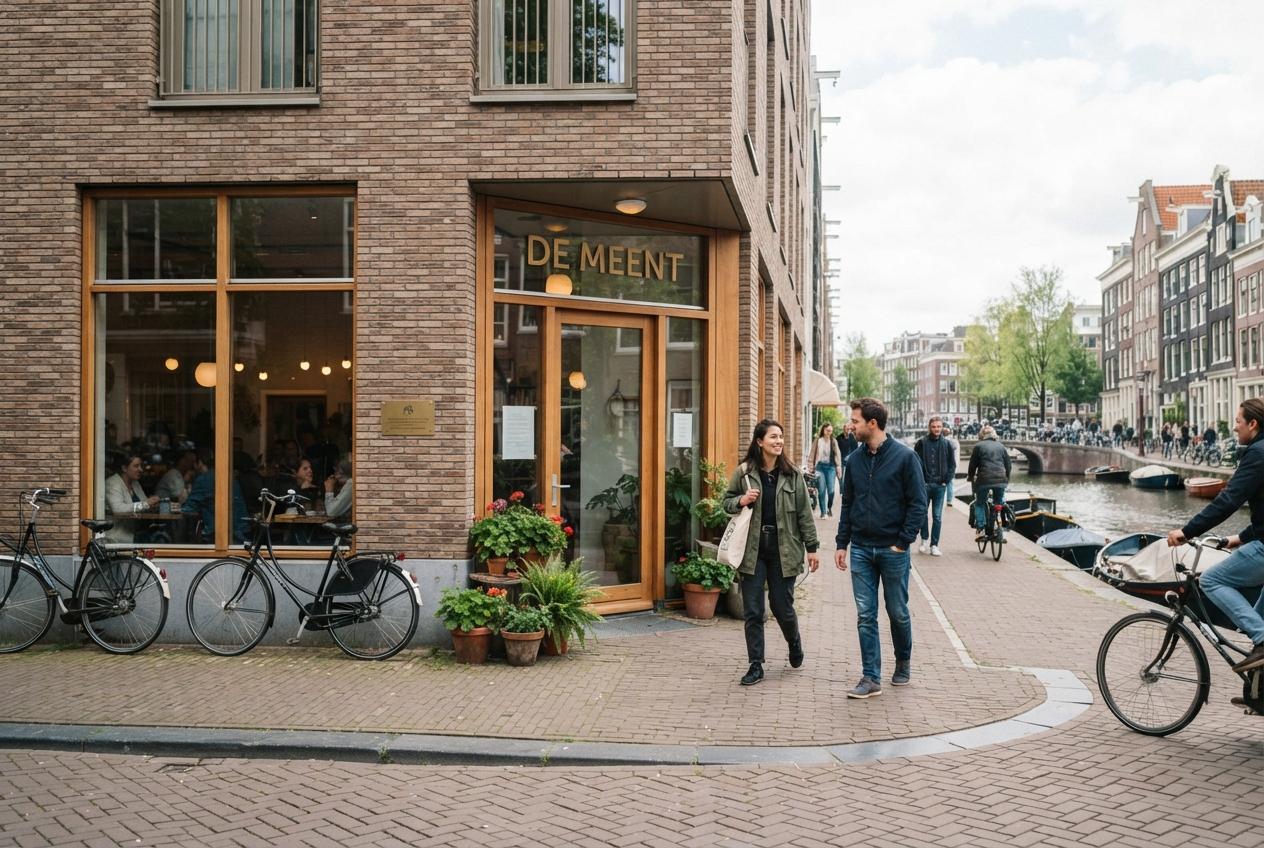
Notice organisers and visitors are taking extra precautions: WorldPride brings joy and visibility, but rising threats mean safer spaces and reporting points across Amsterdam matter more than ever. Here’s where to go, why these havens exist, and simple steps to stay safer during the festival.
Essential Takeaways
- Wide network: Amsterdam has set up dozens of safer spaces and reporting points to support WorldPride visitors after incidents or when they feel unsafe.
- Rising reports: Reports of anti-LGBTQIA+ discrimination and violence in the Netherlands have increased sharply since 2022, so these services are not optional.
- Trained volunteers: Safer spaces are staffed by people who’ve had basic training and can offer practical support, reassurance, and signposting.
- Who’s most at risk: Transgender and non-binary people face disproportionately higher levels of harassment and physical threats in public spaces.
- What you can do: Use the map of safer spaces, report incidents where possible, and speak up if you witness abuse , bystander action matters.
Why Amsterdam is rolling out so many safer spaces
WorldPride is loud, colourful and euphoric inside the fenced events, but organisers know the journey home can feel risky , a mad dash from party lights to public transport with a painted face or a rainbow flag can draw hostility. According to advocacy groups, that’s why dozens of hotels, community centres and pop-up sites are opening their doors as formal safer spaces. They’re meant to be immediate, calm places where people can gather their thoughts, get first-line support, and decide whether to report an incident.
The decision to scale up these sites didn’t come from nowhere. Reports and local charities have recorded a clear uptick in harassment and assaults, and campaigners say many victims never report. Setting up visible, staffed spaces is a low-friction way to reassure visitors and make help feel immediate rather than bureaucratic.
How safer spaces actually work , what to expect
Safer spaces vary in size and set-up, but the basic idea is simple: somewhere neutral you can go after an upsetting encounter. Staff typically have had short workshops on listening, de-escalation, and signposting to formal services like the police or anti-discrimination bureaus. Some offer water, a quiet corner, or help contacting friends or transport.
If you need support, go in, say what happened, and they’ll advise on next steps. You don’t have to file a police report immediately; the first aim is emotional and practical safety. For visitors, it’s useful to screenshot the map of sites in advance, note opening hours, and save a local helpline number in your phone.
The bigger picture: why reports of anti-LGBTQIA+ violence are rising
Several research snapshots and advocates point to a broader social shift: acceptance remains high overall, but hostility has grown louder in certain political and online spaces. Right-leaning, anti-gender movements and parts of the manosphere amplify messaging that paints queer visibility as a problem, and that filter reaches young people. As a result, surveys show more young people expressing negative attitudes, and official numbers of discrimination reports have climbed substantially since 2022.
That’s a worrying trend because attitudes formed in youth can stick. Campaigners argue the answer isn’t to hide Pride but to combine celebration with visible protest and education. If you care about long-term change, that means more outreach in schools, continued visibility, and public allies willing to intervene.
Practical tips for staying safer during Pride
Plan simple, practical steps before you go out. Keep a charged phone and a screenshot of safer-space locations. Move in groups where possible, and use well-lit, busier routes late at night. If something happens, tell the safer-space staff or report through an advocacy platform , organisations note that many incidents go unreported, and reporting helps build a case for better protection. Allies can help by stepping in safely, filming incidents from a distance, or escorting someone to safety.
These are small actions that add up: witnesses, friends and bystanders can make a visible difference when they refuse to tolerate abuse.
What campaigners want from the public and authorities
Community groups are asking two things: keep Pride visible, and don’t normalise silence. They want everyday allies to speak up when they see harassment and for authorities to treat reports seriously. Policymakers can help by funding prevention work in schools and supporting reporting infrastructure so victims don’t have to relive trauma to be counted.
Organisers also remind visitors that Pride is both a party and a protest , dancing and defiance have always gone hand in hand. Keeping the celebration public and supported helps push back against the negative forces trying to normalise exclusion.
It's a small change that can make every visit home feel safer.
Source Reference Map
Story idea inspired by: [1]
Sources by paragraph: