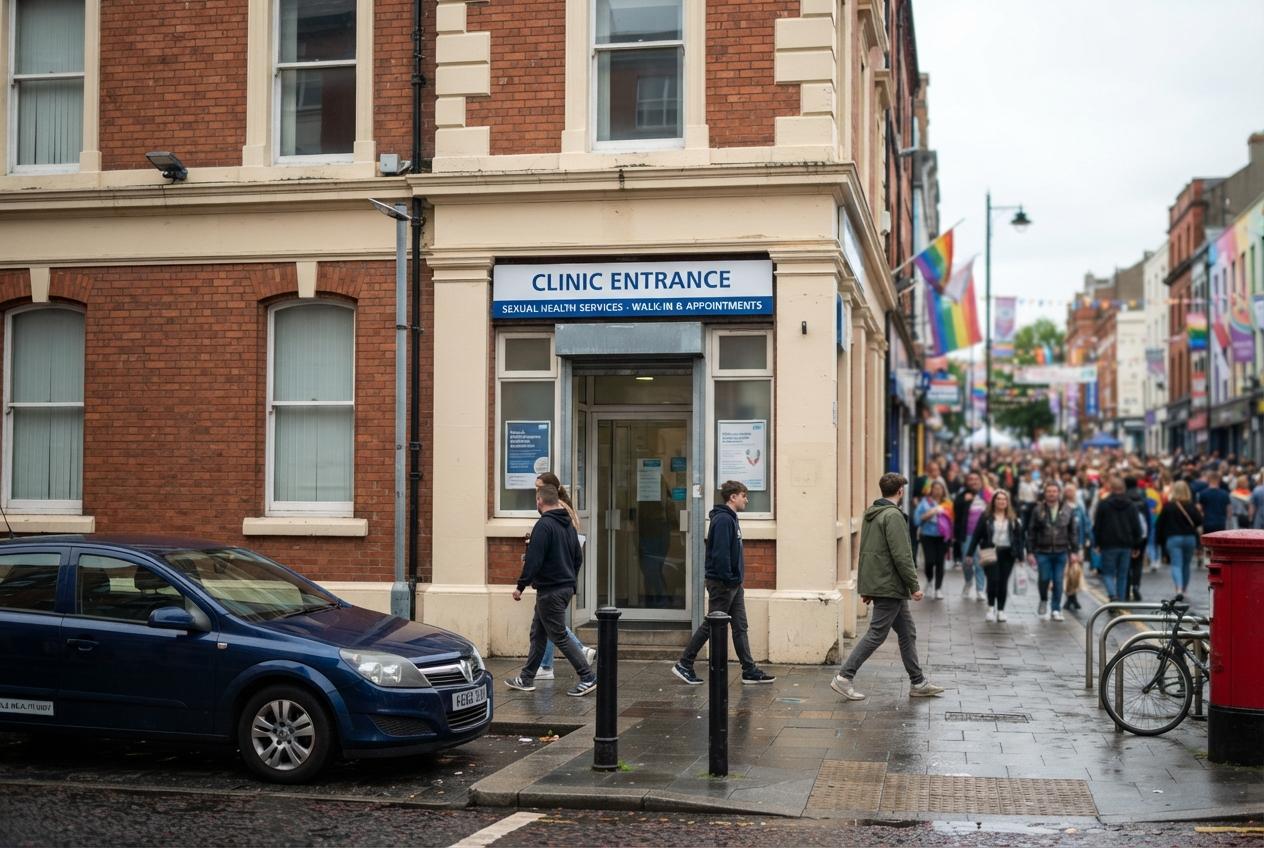
Spotting someone smiling at a Pride stall can feel small and joyful, but it can also tell a bigger story about diagnosis, care and hope , and why getting tested for HIV matters for you, your partners and your peace of mind.
Essential Takeaways
- Undetectable means untransmittable: Modern treatment can suppress viral load so effectively that HIV cannot be passed sexually.
- Testing opens doors: A test is the doorway to treatment, support and medical care that keeps you healthy and prevents onward transmission.
- Treatment is routine, not a sentence: Antiretroviral therapy is widely available and well tolerated, with many people living long, full lives.
- Keep monitoring: Viral suppression needs ongoing care , regular clinic visits and adherence matter.
- Testing is caring: Knowing your status protects you and the people you love, and it’s often easier than you think.
A tiny stall, a big turnaround: why that moment matters
Walking past a local sexual health stall and pausing for a photo might seem like a snapshotable Pride moment, but for many people it marks the place their life changed. The emotional texture of that memory , nerves, relief, then steady confidence , is recognisable to anyone who’s had a life-shifting diagnosis. According to public health guidance, reaching undetectable viral load is possible and it dramatically changes transmission risk, which is why that clinic visit still matters years later.
Clinics like GUM services are where diagnosis meets treatment, and they’re quieter than you might expect: friendly staff, private consultations, routine blood tests. If you’ve delayed testing because of fear or stigma, remember these services exist to help not shame. Make an appointment, or walk into a community testing event, and you’ll likely find the support you need.
What “Undetectable = Untransmittable” actually means
Undetectable = Untransmittable, often shortened to U=U, isn’t a slogan , it’s a science-backed fact. Health agencies and researchers show that when antiretroviral therapy suppresses the viral load below detectable levels, the risk of sexual transmission is effectively zero. That’s a game-changer for relationships, family planning and mental wellbeing.
This doesn’t mean treatment is optional. Viral suppression requires consistent medication and regular monitoring. The public-health consensus stresses that U=U applies when someone maintains undetectable levels under clinical care, so staying engaged with services matters as much as starting therapy.
How testing unlocks better outcomes
Testing is the first step in a chain that leads to treatment, suppression and reassurance. Early diagnosis lets clinicians begin therapy sooner, reducing damage to the immune system and raising the chance of durable viral suppression. For partners, knowing both statuses creates room for honest conversations about prevention , condoms, PrEP, viral suppression, and safer-sex strategies.
If you’re wondering how often to test, think of your sexual activity and risk exposures. Clinics and NHS services can advise a schedule tailored to you. For many people, testing annually is a baseline; for others with more frequent new partners or other risks, testing every three months might be advised.
Practical tips: getting tested, staying suppressed
Start local: look up your nearest sexual health clinic or NHS testing centre and check walk-in times or book online. Many places offer rapid tests, free services and confidential support. If you test positive, ask about immediate referral to HIV care , most clinics can link you straight away to treatment and specialist nurses.
Adherence is the practical heartbeat of suppression. Set a daily reminder, use a pillbox or sync doses to a routine activity such as breakfast. Keep clinic appointments for viral load checks, and be candid with your care team about side effects or life changes that might affect adherence.
Life after diagnosis: normal, varied, hopeful
People living with HIV today generally live long, full lives , getting married, travelling, writing, making music and celebrating milestones at Pride. That’s real.
There’s still stigma to challenge, but every undetectable person contributes to shifting the narrative: diagnosis becomes a line in a life story, not the whole book. Public health bodies and community groups continue to push testing access, better information and routine care so more people can reach that same place of stability.
It’s a small step, but booking a test can change everything.
Source Reference Map
Story idea inspired by: [1]
Sources by paragraph: