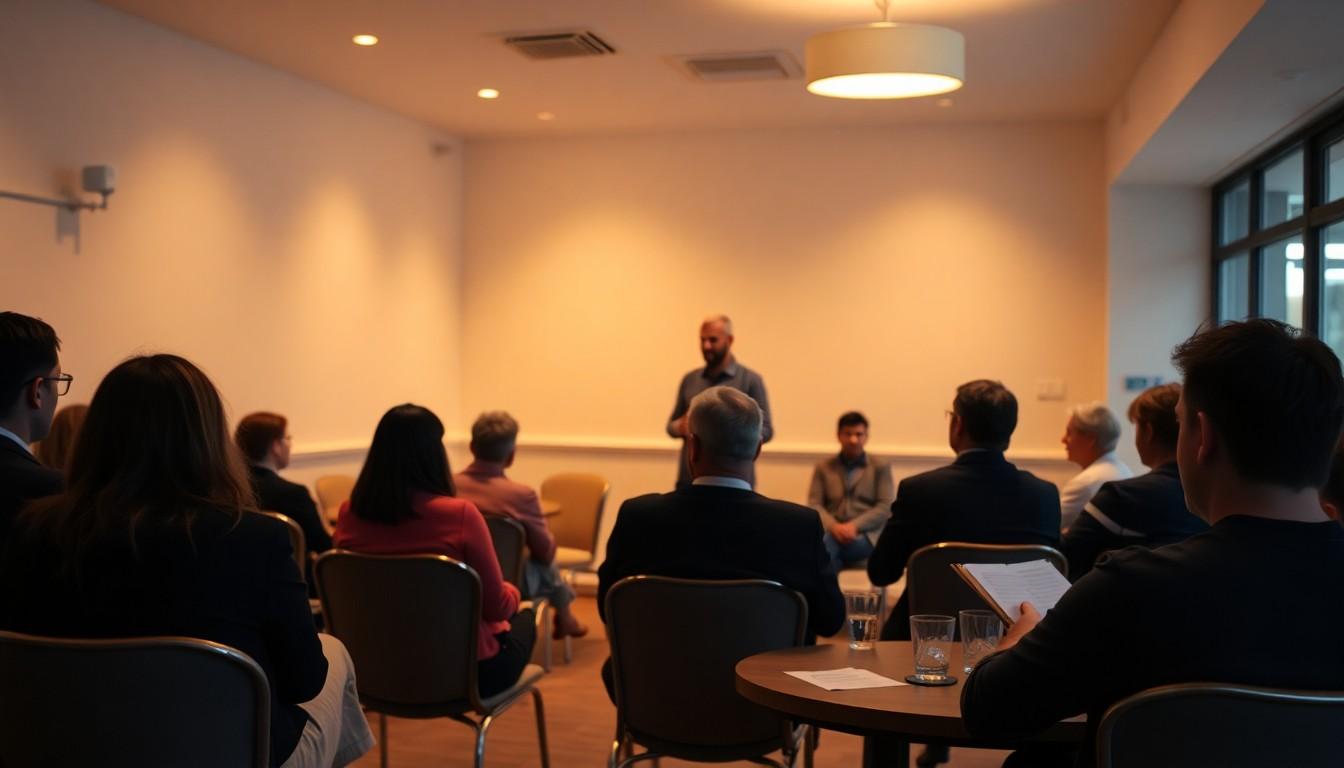
Shoppers are turning to a quieter, truer idea of connection , organisers and attendees in London are rethinking the difference between an event and an actual community, and why substance-free, intentional gatherings matter for GBTQ+ men seeking belonging.
Essential Takeaways
- Clear distinction: Events have a start and finish; community grows over time through repeated, intentional interaction.
- Design matters: Simple practices like opening circles and guided connection exercises help strangers become familiar, seen, and safe.
- Sensation of belonging: Spaces that feel quieter, gentler and substance-free can reduce isolation and invite vulnerability.
- Repeat attendance: Community requires people to come back, invest time and see each other beyond one-off nights out.
- Health link: Social connection supports mental and physical wellbeing, so community-building is more than cultural , it’s preventive care.
Why “community” can feel like an overused label
The word community has been stretched to cover every party and workshop, and that cheapens the promise it offers. Events are brilliant for spectacle and meeting lots of people at once, but there’s a different feeling when you walk into a room where faces are familiar, conversations pick up where they left off, and people look for you. That sense of being noticed is sensory , you feel it in how someone greets you, the ease in a shared laugh , and it’s often missing when organisers assume proximity equals belonging.
What organisers can do differently , small design choices with big effects
You don’t need a radical overhaul to shift an event into a community-building space. Start with structure: an opening circle, agreements about respect, and a short workshop that encourages real exchange. Those first intentional minutes set the tone for the whole gathering. According to practitioners experimenting with connection-first formats, these elements create safety and reduce performative behaviour , so people stop posing and start showing up. If you’re running a group, think about frequency and follow-up: twice-monthly meets and prompts for people to see each other between sessions make a big difference.
Why substance-free, slower formats can help queer men connect
There’s an enormous amount of queer cultural life built around partying and sex, and that’s vital and joyful. But many men also crave gentler spaces where they can be vulnerable without alcohol or other substances. Slower formats let conversations mature, let emotions land, and let people notice each other beyond curated personas. For those who feel lonely in a crowd, a sober, structured space can transform a night out into a turning point in someone’s social life.
The comeback is communal , repeat attendance and reciprocation
Community isn’t made by a single host; it’s made when participants choose to return and invest in each other. That requires time, and it requires organisers to invite reciprocity: ways for attendees to contribute, lead sessions, or simply check in on one another. When people start bringing friends and meet outside the scheduled sessions, that’s the clearest sign something real is forming. Expect awkwardness at first , that’s normal , but consistency is what stitches those awkward encounters into friendships.
Health, policy and the bigger picture: why this matters beyond warm fuzzies
Social connection is linked to better mental and physical health, and for marginalised groups the stakes are higher. A designed community can reduce loneliness, support harm reduction by offering substance-free socialising, and create networks that resource people in crisis. Funders and policymakers should notice that intentional community-building is preventive care as much as cultural work. So when organisers ask for support, they’re often asking for infrastructure that keeps people well, not just entertained.
It’s a small shift in approach that makes a big difference: treat community as an ongoing project, not a marketing tag, and you’ll see relationships follow.
Source Reference Map
Story idea inspired by: [1]
Sources by paragraph: