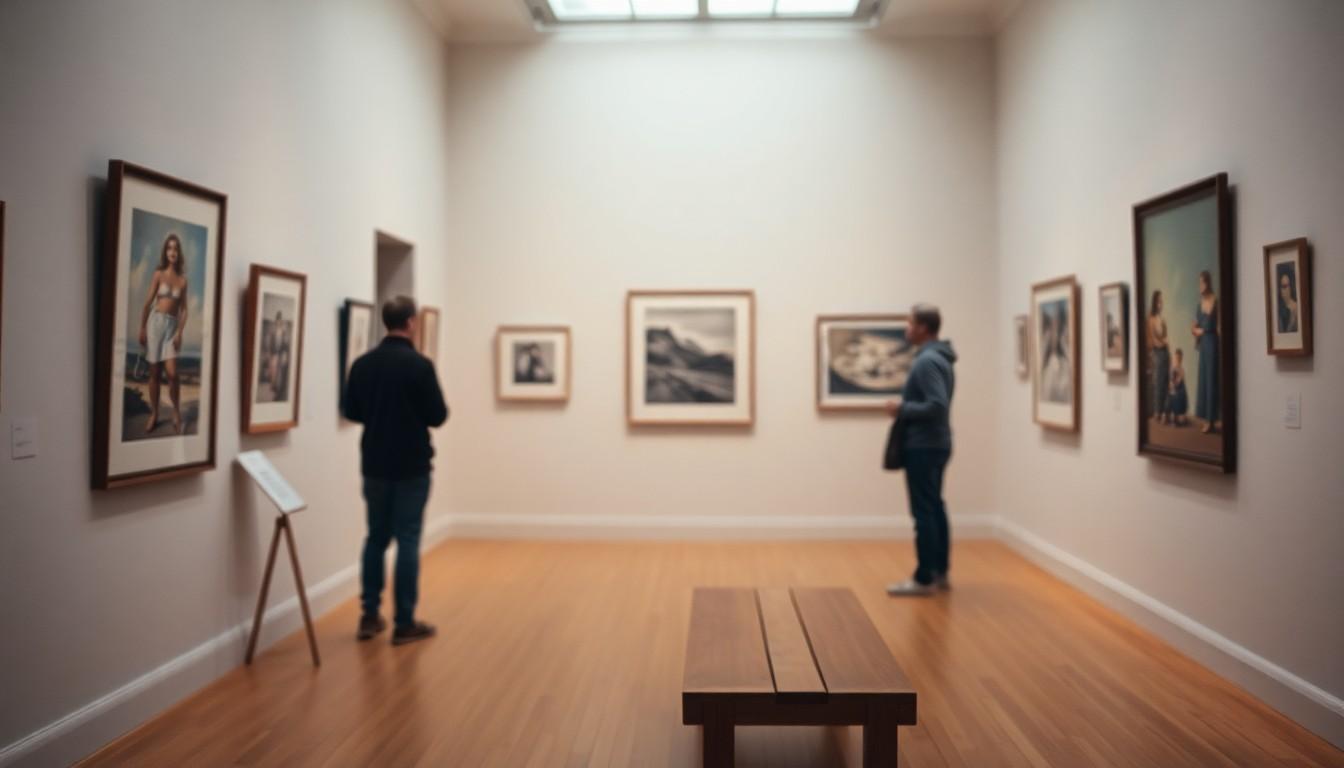
Notice how a quiet painting or a small photo can stop you mid-scroll; viewers and collectors are leaning into slower, more reflective art experiences right now. This guide shows who’s doing it, where to find thoughtful works, and practical tips for appreciating and displaying calm, contemplative art in your home.
Essential Takeaways
- Slow-looking works: Small-scale, tonal, or minimalist pieces invite longer gazes and often reveal subtle detail over time.
- Where to find them: Local clubs, online journals and curated marketplaces are surfacing contemplative works and spotlights.
- Display tip: Neutral walls and focused lighting make quieter pieces feel intentional, not lost.
- Buying advice: Consider condition, provenance and how the work will make you feel in everyday life, not just on viewing day.
- Community value: Workshops and local exhibits give context; they make quiet art feel social and shareable.
Why slower art is having a moment
Art that rewards patience feels like a small rebellion against noisy feeds. Exhibitions and online features this month have highlighted tonalism, quiet landscapes and intimate photographs, all of which ask you to slow down and register mood rather than headline-grabbing imagery. Local art clubs and regional galleries are staging spotlight series on these genres, while magazines and blogs are curating monthly inspiration pieces that point collectors towards lesser-known artists. If you want art that feels like a quiet room in your home, start by looking for works that make you breathe out.
Where to look for contemplative pieces
You don’t need to be in a capital city to find thoughtful art. Community art clubs often run spotlight shows that celebrate tonal paintings and subtle palettes, and online platforms and niche blogs curate monthly galleries of quiet work from across regions. Art marketplaces now host artist magazines and features that help you discover creators who favour restrained colour and texture. Follow a few local groups and a couple of curatorial blogs, and you’ll build a stream of suggestions without the noise of mass-market auctions.
How to choose a piece that grows on you
A good slow-looking work changes with repeat visits; it might reveal brushwork, a shifting light or a small detail you missed first time. When choosing, bring the piece into the context it will live in: sit with a photo on your phone, imagine the scale, and think about daily sightlines. Inspect provenance and condition if you’re buying, and ask the seller how the work has aged. For photographs or sensitive media, check framing and UV protection. The practical goal is to pick something that enhances routine moments, not just weekend viewing.
Simple display rules for subtle art
Quiet art benefits from confident placement. A neutral wall and a single track light or a picture lamp will give a small painting stage presence without theatricality. Group pieces into calm pairings, a tonal landscape beside a small monochrome photo, for instance, or let one work live alone at eye level. And don’t be afraid of modest frames; a slim, well-chosen frame can make a quiet work read as deliberate and cared for. The point is to let the art breathe.
Learning to look: workshops, challenges and clubs
If you want to learn slow-looking, local weekend art challenges and gallery talks are surprisingly effective. They teach you to notice edges, tonal shifts and composition choices that reward patience. Art colleges, community clubs and online magazines often run themed prompts, think “seaside finds” or tonal studies, that help you practise focused observation. Joining a group also gives you context for pieces you like and introduces artists whose quiet practices resonate over time.
It's a small change that can make your walls feel calmer and your looking more joyful.
Source Reference Map
Story idea inspired by: [1]
Sources by paragraph: