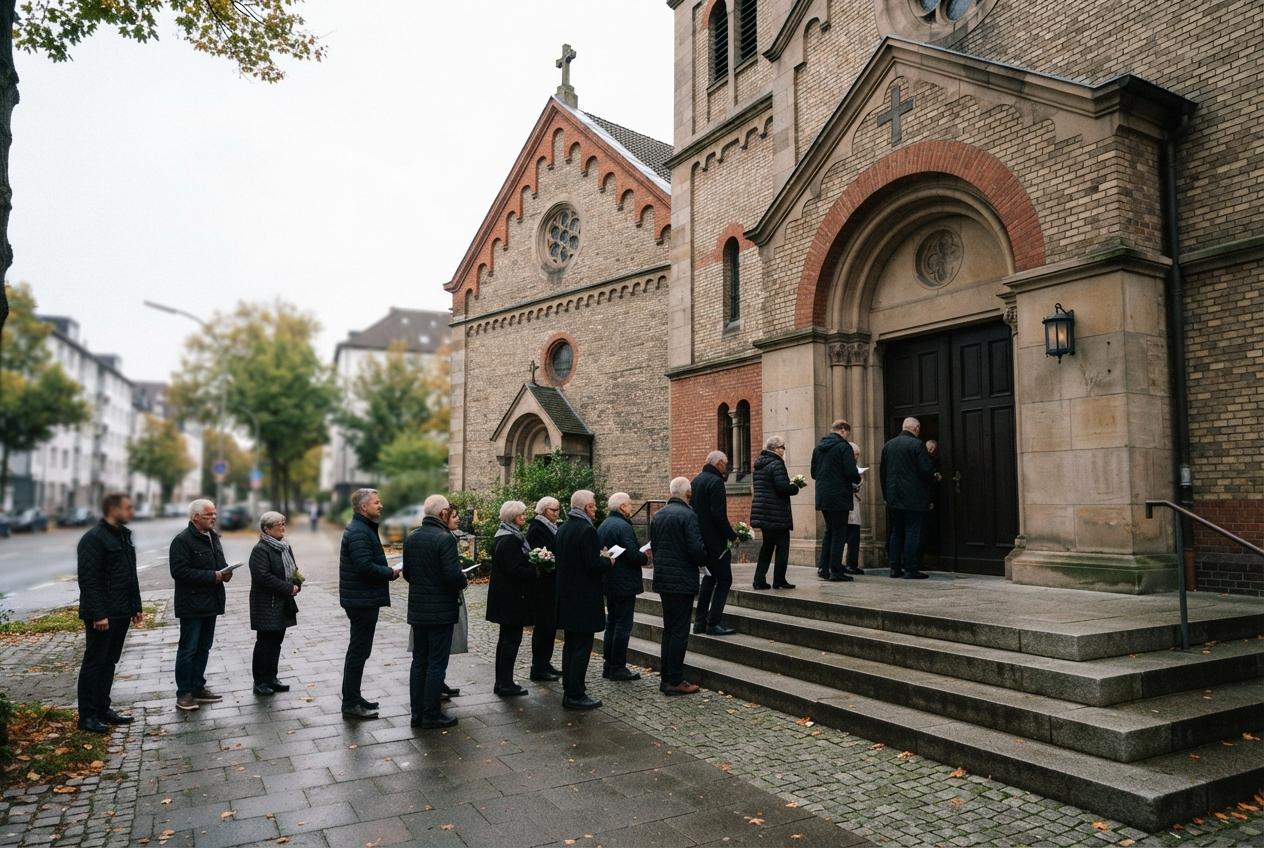
Moving together, Cologne opened its arms after the deadly Berlin attack , city leaders, churches and neighbours gathered for a sombre, solidarity-driven queer church service to grieve, protest and insist on safety for LGBTQ+ communities. It mattered because it turned shock into visible support, and showed how cities respond when celebration is met with violence.
Essential Takeaways
- Immediate response: Cologne held a queer-focused church service at St Johannes to provide space for mourning, prayer and solidarity.
- Political backing: Mayor Torsten Burmester said the attack was against values like freedom, diversity and respect, and pledged continued protection for LGBTQ+ residents.
- Context of the attack: Police in Berlin are still searching for a suspect linked to Islamist circles after a car was driven into CSD crowds, killing one woman and leaving several seriously injured.
- Atmosphere: The service mixed grief and defiance , quiet moments, hymns and calls for safety , giving people a chance to process together.
Cologne’s public grief: a city that says “we stand with you”
Cologne’s St Johannes church filled with people who wanted to be present rather than perform. The mood was hushed but resolute, the kind of quiet that feels heavy in the chest and steady in the knees. Organisers from the Queere Kirche in Köln und Region framed the evening as a safe container for sorrow, complaint and prayer, and the congregation responded like neighbours do , by turning up. According to local reports, the service offered a mix of spiritual ritual and civic solidarity, a reminder that grief often seeks company. This kind of public ritual matters because it transforms private shock into collective action, and it reassures traumatised communities that they are seen. If you’re wondering how to support someone, simply being there , physically or by sending a message of solidarity , is a meaningful start.
Political voices: mayor’s pledge and what it means on the ground
Mayor Torsten Burmester spoke plainly: the attack struck at values the city holds dear. His words were short, but they carried weight , freedom, diversity and respect are not abstract slogans when people’s safety is at stake. Burmester’s pledge to keep Cologne a place where people can live and celebrate without fear signals more than sympathy; it promises practical attention from authorities and civic institutions. Residents said they wanted concrete steps , better protection at events, clearer communication and inclusive policing , not just speeches. For local groups, the message was both comforting and a call to follow up: public assurances need to be turned into measures that prevent repeat harms.
The Berlin attack: facts, investigation and wider anxiety
Police in Berlin continue to hunt for the suspect after a car was driven into people near the CSD, an act that left one woman dead and multiple people injured, some critically. Reports say the man is known to police and allegedly linked to Islamist circles; investigations are ongoing. This element , a presumed ideological motive , has amplified fear across Germany’s Pride calendar, making solidarity events in other cities feel both urgent and necessary. News outlets note that communities are balancing mourning with demands for clarity from security services. If you’re attending Pride events now, organisers advise staying alert to updates, keeping to marked safe areas and following guidance from stewards and local authorities.
Churches and queer organisations: why a service mattered
The Queere Kirche and the Evangelical Church’s involvement gave the service a distinct tone: spiritual care coupled with activism. For many queer people, churches have been complicated spaces, so a queer-focused service felt especially resonant , soft light, familiar faces, and rituals reworded to include rather than exclude. Organisers said they wanted to offer room for lament and for anger, which is important because grief is rarely tidy. The choice to gather in a church also sent a message: solidarity can be pastoral as well as political. If you find comfort in community rituals, look for local vigils or services; they can offer practical support networks and routes to get involved in safety or counselling initiatives.
What’s next: safety, solidarity and the kind of civic care people want
The immediate effect in Cologne was visible care , speakers, candles, and a crowd that refused to let fear define public life. Going forward, residents and activists will be watching for concrete steps: clearer security at big events, resources for victims, and better coordination between police and community groups. This episode also stirred broader conversations about how cities protect minorities and how solidarity looks in practice. Solidarity nights like the one at St Johannes help set the tone, but they’re the start of a longer conversation about prevention and inclusion. And while no single service can erase the trauma, it does send a human message: you’re not alone, and a city can still choose community over intimidation.
It's a small public ritual that keeps a fragile hope alive: that grief becomes fuel for protection, not fear.
Source Reference Map
Story idea inspired by: [1]
Sources by paragraph: