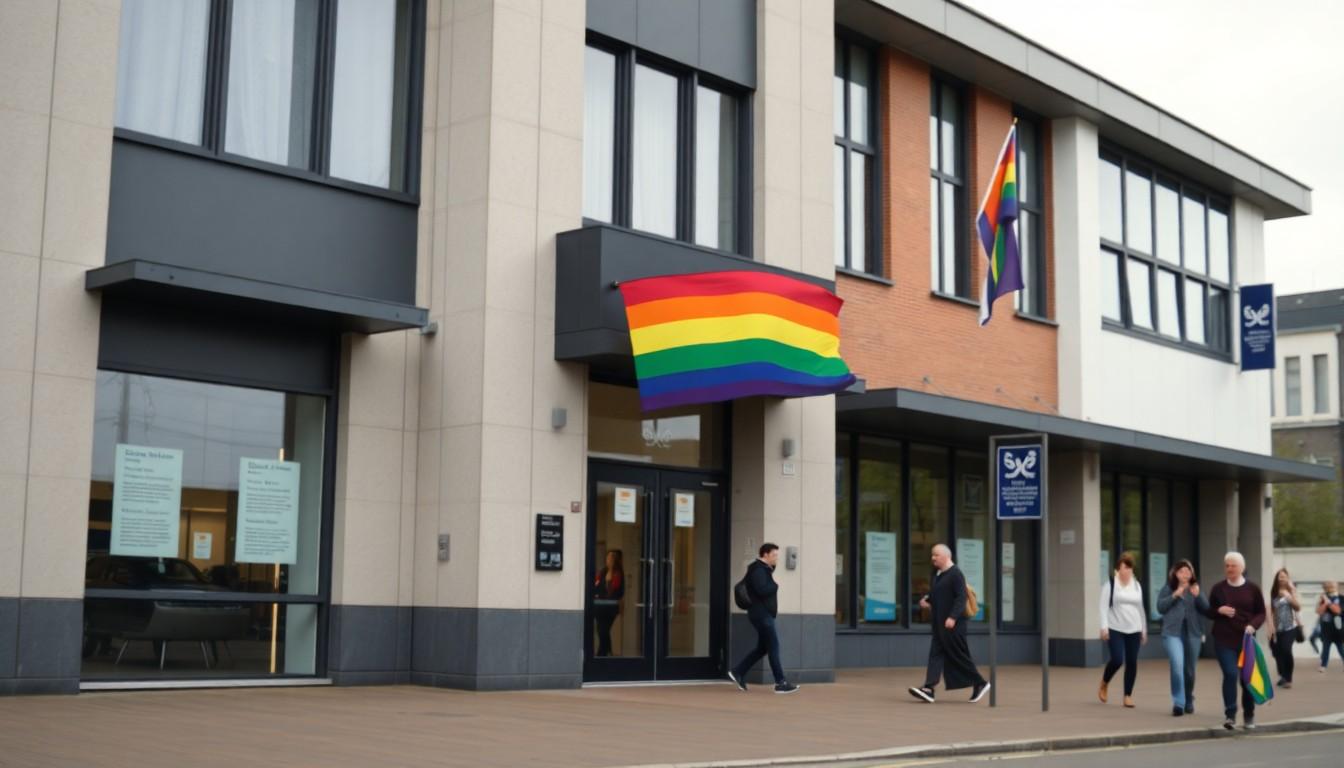
Notice a quieter pride this year? Shoppers, students and citygoers are seeing changes: Pride Amsterdam and World Pride draw global crowds, but fresh surveys show Dutch tolerance for LGBT+ people has stopped rising and in places slipped. That matters for schools, public safety and the city’s reputation as a gay-friendly capital.
Essential Takeaways
- High visibility: Amsterdam expects hundreds of thousands for World Pride, underscoring the city’s ongoing symbolic role.
- Tolerance plateau: Large government-backed surveys show rising acceptance over decades, but growth is flattening recently.
- Worrying youth trend: School studies report fewer pupils calling same-sex attraction “normal” and more describing it as wrong.
- Uneven acceptance: Support is stronger for gay and lesbian people than for transgender, non-binary and intersex people, who face bigger bias.
- Safety concern: The Netherlands’ drop in European rankings is linked partly to persistent violence and hateful language.
Pride is huge again, but the mood is mixed
Amsterdam’s Pride and the arrival of World Pride is a spectacular, colourful stage act , the canals are buzzing and flags are everywhere, and you can almost smell the excitement. Yet the celebrations come as sober research lands: acceptance that once steadily climbed is no longer on a straight upward track. According to a government survey, fewer people now say the same-sex marriage should be abolished compared with two decades ago, showing long-term progress, but recent years have shown a levelling-off. That contrast between party and data makes the weekend feel both triumphant and a little fragile.
Young people are changing the conversation , not always positively
There’s a worrying flip among pupils and students: studies in regions such as Gelderland-Zuid and research by public health services in Amsterdam show a drop in the share of teenagers who call same-sex attraction “normal”. The number describing it as wrong has risen in some samples. Educators report more disruption and resistance on Purple Friday and similar initiatives, suggesting school-based acceptance work is under strain. If you’re a parent or teacher, it’s a cue to keep conversations open and age-appropriate , practical, repeated exposure and clear anti-bullying policies still make a difference.
Some groups fall behind: trans, non-binary and intersex people
Acceptance isn’t uniform. People generally report more positive feelings toward gay and lesbian individuals than towards transgender, non-binary and intersex people, where support levels are lower and appear to have weakened. Public debates about gender identity have become flashpoints in schools, media and politics. That means inclusion efforts need to broaden beyond marriage equality to tackle everyday recognition: correct pronouns, accessible healthcare, and anti-discrimination training are practical steps that matter in daily life.
Why the Netherlands’ standing is slipping in Europe
Once near the top of EU rankings for LGBT+ rights, the Netherlands now sits lower in the so-called rainbow rankings. Researchers point to a mix of factors, including reports of violence, hateful language and gaps between legal protection and lived safety. The country still has strong legal frameworks, but public sentiment and policing of hate incidents influence how safe people feel. Policymakers and city officials face the task of converting legal rights into everyday respect and protection.
What can actually help right now
Small, everyday changes add up: schools refreshing diversity curricula, workplaces adopting clear reporting routes for harassment, and local campaigns that make queer lives visible beyond parade season. Health services and councils can prioritise training for front-line staff so trans and non-binary people feel seen and supported. And for visitors and residents alike, being an active bystander , calling out abusive language, supporting inclusive events , helps keep Amsterdam more than a postcard of tolerance.
It's a small change that can help make every Pride safer and more lasting.
Source Reference Map
Story idea inspired by: [1]
Sources by paragraph: