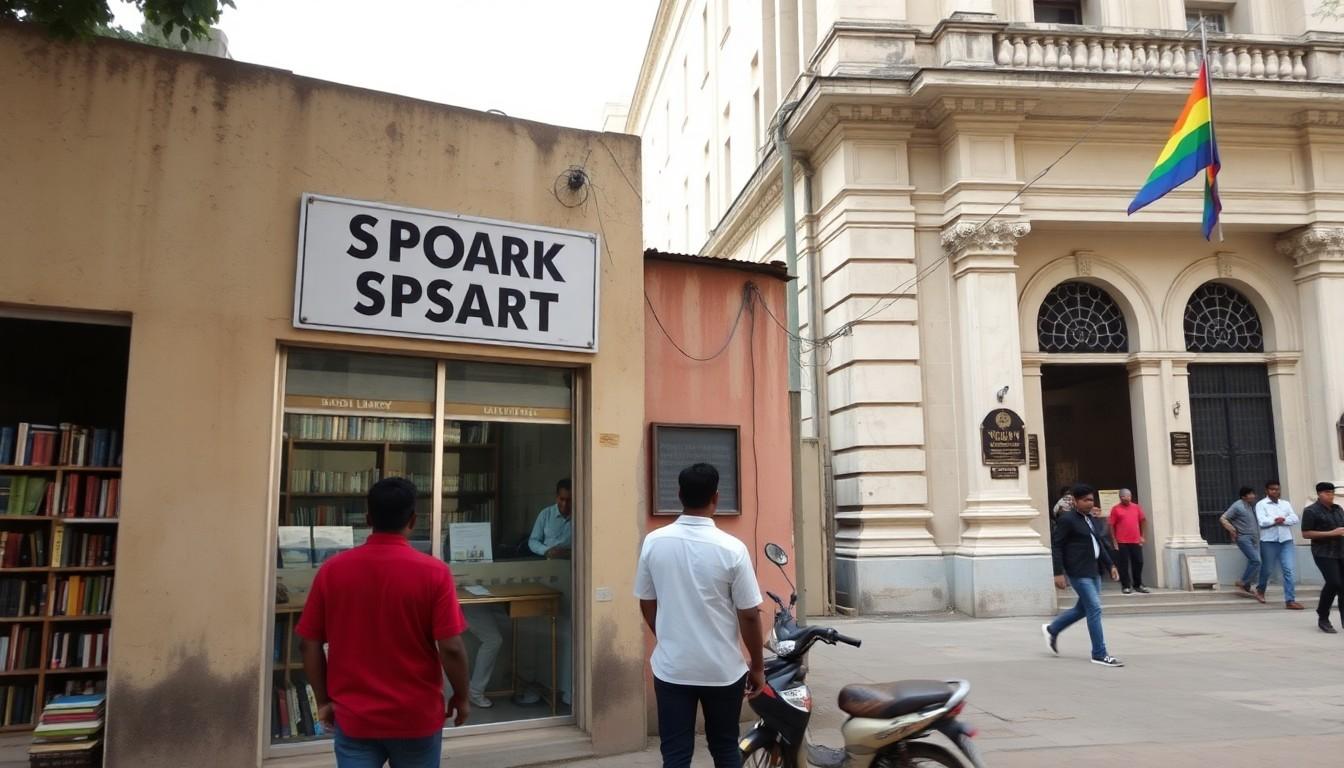
Shoppers and readers are turning to a striking new anthology: Queer India Now, edited by Dhrubo Jyoti and Dhamini Ratnam, which gathers essays, fiction and poetry that map how queerness intersects with caste, region, disability and everyday survival across India. It matters because it refuses a single story and shows the infrastructures that shape queer life.
Essential Takeaways
- Wide scope: The anthology spans essays, stories and poems that centre small towns, forests, cities and institutional spaces.
- Material focus: Many pieces emphasise housing, healthcare, education and employment as central to queer dignity.
- Caste front and centre: Contributors confront caste openly, showing how intimacy and desire are threaded with social hierarchies.
- Diverse voices: Disabled, Adivasi, trans, Dalit and regional perspectives push back against a metropolitan, homogenous queer narrative.
- Readable and urgent: The collection balances hard realities with moments of tenderness and hope, fresh, often sharp, sometimes lyrical.
A vivid opening: queerness that smells of real life
The book hits you with lived detail; it doesn’t linger in abstraction but in the grit of daily survival, the smell of food, the creak of a shared room, the hush of secret meetings. According to reviews in outlets such as Business Standard and Feminism in India, this anthology intentionally maps what it means to live queerly in India now, rather than holding queer identity up as a single, universal experience. That approach makes it feel immediate and necessary, especially for readers tired of city-centric portrayals.
Why language isn’t everything: infrastructures matter more
Kiran Nayak’s essay about discovering identity words but still facing material precarity underlines a key theme: language can name you, but it won’t automatically unlock housing, work or healthcare. The anthology repeatedly returns to the need for tangible supports rather than only recognition. As the Indian Express commentary notes, contributors argue for structural change , accessible services, anti-caste labour reforms and healthcare that actually reaches marginalised bodies.
Caste, not an aside but the backbone of many stories
What sets this volume apart is how unflinching it is about caste. Several pieces, including short fiction from small-town India, pepper everyday speech with caste markers, revealing how desire and kinship are policed by social hierarchy. Reviews highlight that the book refuses the old silence around caste in queer writing, using literature to show how intimacy, geography and power are always entangled. It’s a corrective that changes the conversation about what queer futures might look like.
Negotiating with institutions: law, medicine and NGOs under scrutiny
There’s a steady conversation in the collection about how queer people navigate courts, clinics and civil-society organisations. Contributors include lawyers, doctors and activists who reflect on representation versus systemic change; representation alone, they suggest, isn’t enough. Pieces that trace interactions with state systems feel especially timely given recent legal shifts. Mid-Day and other outlets point out how these essays reveal both the possibilities and limits of working inside institutional frameworks.
Small-town, regional and marginal voices reshape the map of desire
The anthology delights in regional language, landscapes and cultural specificity , from forests that offer refuge to poems imagining anti-caste queer worlds. That regional focus resists a one-size-fits-all “global queer” story and reminds readers that geography and cultural memory shape how people love and survive. For anyone choosing this volume as an introduction to contemporary Indian queer writing, expect a collage of registers: lyrical, polemical, intimate and enraged, often in the same breath.
It's a small change that can make every reader rethink what queer life in India has been and might become.
Source Reference Map
Story idea inspired by: [1]
Sources by paragraph: