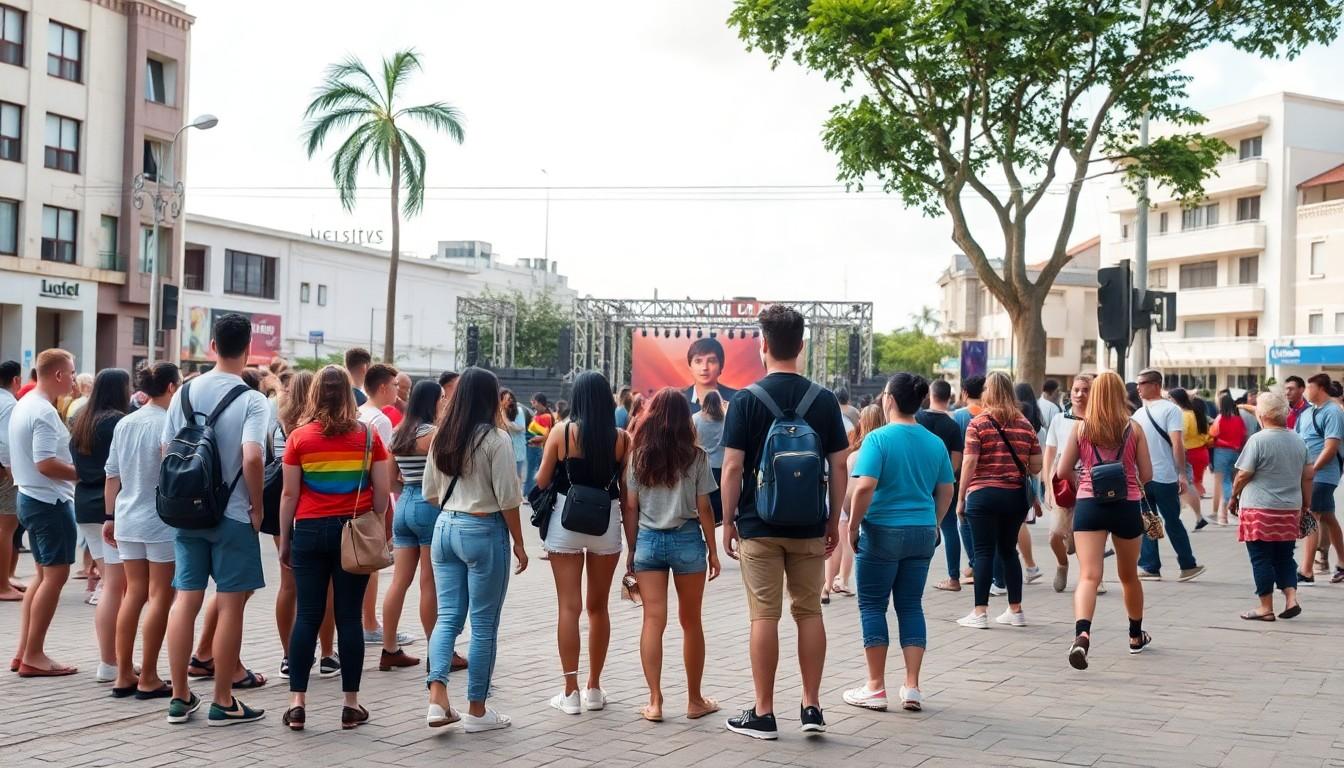
Buzzing into Praça do Rádio Clube, young people gathered for the 23rd Parada da Cidadania LGBT+ in Campo Grande, celebrating visibility, rights and public occupation while a free headline show from Karol Conká drew crowds and conversation about why these events still matter.
Essential Takeaways
- Strong turnout: Young residents and visitors from across Mato Grosso do Sul filled Praça do Rádio Clube, creating a lively, colourful atmosphere.
- More than a party: Participants emphasised the Parada’s role in visibility, representation and civic mobilisation, not just entertainment.
- Headline draw: Karol Conká’s free evening show was a major attraction and helped boost attendance.
- First-timers welcomed: Several attendees were at their first Parada and praised the welcoming, well-organised environment.
- Ongoing struggle: Voices at the event highlighted continued challenges, from transfobia to public-policy debates like gendered bathrooms.
A vivid public square where belonging feels tangible
The image on arrival was bright and human , music, flags and groups chatting under the late-afternoon sun. Organisers had set the stage and people trickled in, many lingering to enjoy the cultural programming before the main act. According to local coverage, the Parada has evolved into more than a festival; it’s a deliberate occupation of public space where visibility becomes a form of defence. For anyone wondering why these gatherings endure, the sight of young people exchanging stories and solidarity is the clearest answer.
Why participants treat the Parada as political and personal
Speakers at the event made a simple point: visibility is political. A teacher quoted in reports said movements like this counter efforts to make LGBT+ people invisible and help teach respect. That view resonates in smaller towns too , attendees from across Mato Grosso do Sul mentioned how their hometowns lack similar events, which makes Campo Grande’s gathering feel especially important. If you value both celebration and civic learning, this mix is what keeps people coming back.
The headline show: Karol Conká brings music and attention
A free show by Karol Conká drew many who might otherwise have skipped a daytime march. The artist’s presence was billed as a highlight and, as local outlets noted, helps attract a wider audience to the Parada’s message. Still, several participants emphasised they came for the cause rather than the celebrity, underlining that headline acts amplify rather than replace the event’s purpose. If you’re planning to attend future Paradas, expect music to be the draw and advocacy to be the reason.
Newcomers’ perspective: first-time attendees feel safe and seen
First-timers described the event as welcoming and well organised, saying they felt comfortable staying for the whole evening. Young people who’d never had a local Parada reported joy at finally taking part in collective celebration and protest. Practical tip: arrive early to enjoy daytime activities and stay for the headliner if you want the full experience , it’s a friendly way to meet people and find local groups to keep supporting year-round.
What the Parada signals about rights and everyday life
Attendees also turned the conversation to the work that remains: combating prejudice, securing equal access to public spaces and ensuring policies respect gender diversity. Reports quoted students and activists framing the Parada as a claim to spaces historically denied to them, a reminder that celebration and struggle are braided together. Looking ahead, these mobilisations are likely to keep evolving, mixing entertainment, education and political pressure in one public programme.
It's a small change that can make every public space feel more inclusive.
Source Reference Map
Story idea inspired by: [1]
Sources by paragraph: