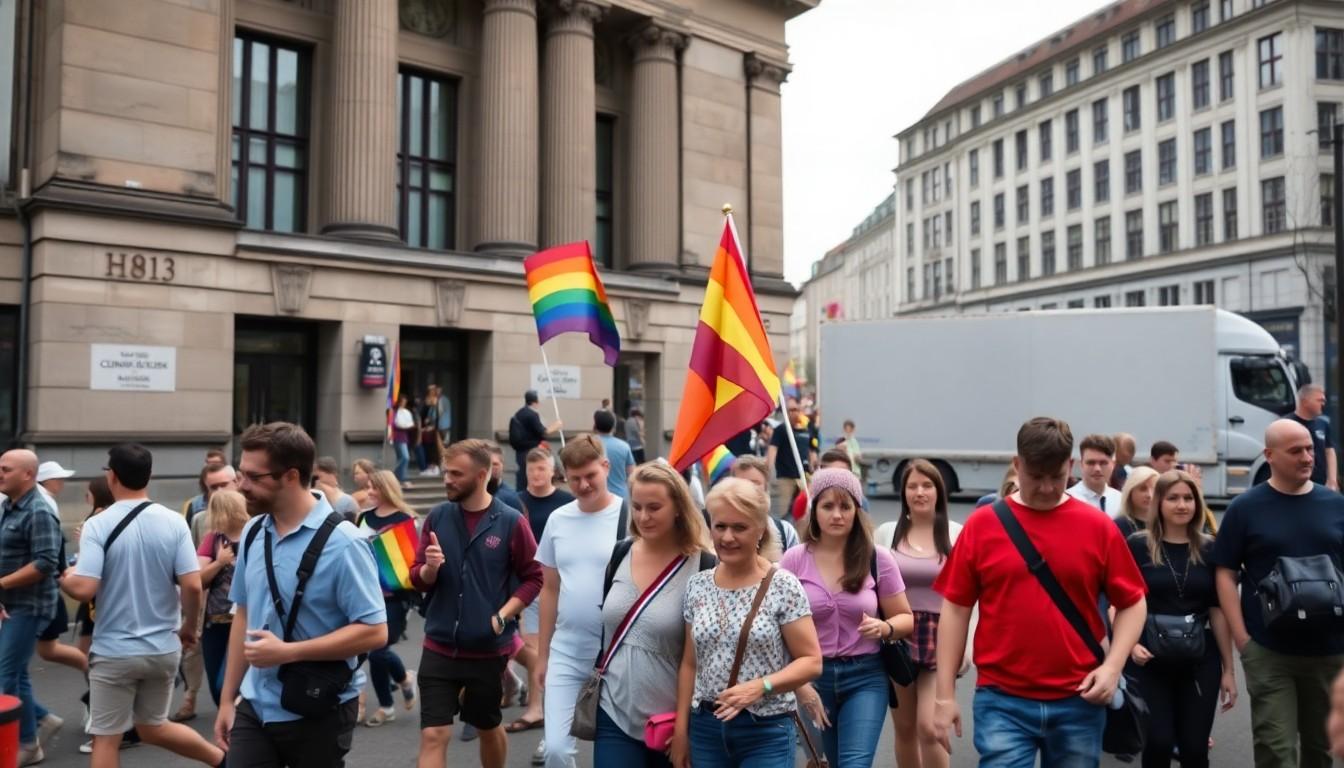
Shoppers and citizens are turning out: Hamburg’s Pride Week returns from 25 July with a leaner parade and record foot groups, as organisers stress political messages, safety and solidarity , here’s what’s new, why it matters and how to join in confidently.
Essential Takeaways
- Date and scale: Pride Week in Hamburg starts 25 July, with the CSD parade expecting around 250,000 people and a bigger-than-ever turnout of walking groups.
- Fewer trucks, more message: Trucks now need three quarters political content; purely promotional participation is limited, so expect fewer corporate floats and more grassroots presence.
- Safety and solidarity: Organisers warn queer‑hostile incidents are rising nationwide, so visibility comes with renewed calls for community support and clear safety measures.
- Family-friendly and inclusive: For the second year running there’s a Family Area on the street festival, and trans and vulnerable groups are highlighted in this year’s theme.
- Practical tip: If you want to join, walk with a community group or look out for official meeting points , dress and carry items to make travel home safe and unmissable.
What’s actually changing at Hamburg Pride this year?
The most striking shift is sensory: fewer booming DJ trucks, and instead a hum of thousands of people on foot, banners snapping in the breeze. Organisers now insist that at least three quarters of any truck’s space carry a political message, not ads, so big corporate floats are rarer. That rule is meant to keep the parade rooted in activism, not sponsorship.
Christoph Kahrmann, co‑chair of Hamburg Pride, says this change reflects a desire for authenticity. Companies are being asked what they do for queer employees the other 364 days, not just on parade Sunday. That’s a useful litmus test if you want to decide whether to march with a business or a grassroots group.
Why are foot groups booming while trucks fall away?
There’s a human warmth to this trend: people want to be seen walking together, not just watching a spectacle. Kahrmann links the surge in walking contingents to a sense that solidarity matters right now , not least because political backlashes elsewhere have made simple acts of visibility feel urgent.
If you’re planning to join, walking with an organisation, school, union or interest group makes it easier to find your people and stay safer in crowds. Plus, foot groups tend to be quieter, more mobile and easier to navigate across the city for those who prefer a gentler parade experience.
Is Hamburg still an “island of the blissful” for queer people?
Relative to many places, yes, but the phrase comes with a caveat. Hamburg benefits from good co‑operation between Pride organisers, local politicians and the police, and that helps reporting and prevention of hate crimes. Still, organisers stress that social cohesion can’t be taken for granted , nasty online comments and rising queer‑hostile violence nationwide have made the community more alert.
That’s why the CSD’s 2026 motto , “Solidarisch queer. Haltung zeigen – für eine Zukunft ohne Angst” , doubles as a rallying cry and a practical ask: turn up, back local events, and support measures that tackle prejudice early, especially in schools.
Practical safety and planning tips for visitors and families
Plan your route and stick to official meeting points if you’re arriving with a group; that keeps everyone together in large crowds. The festival again includes a Family Area, which is handy if you’re bringing children or want a calmer zone to regroup. Wear comfy shoes, carry water, and pack a small change of clothes if you’re concerned about attention on the way home.
For those worried about going home in parade colours, consider travelling home with friends or using public transport hubs together. If you’re supporting CSDs in cities where being visibly queer can be risky, donate or help remotely , organisers say solidarity across German cities matters more than ever.
What’s next: politics, protection and turning visibility into lasting change
Organisers are pushing for the state’s promised anti‑discrimination law to be enacted; right now, existing national protections don’t cover every setting, notably some schools. That legislative push is practical: it aims to give people clear recourse and workplaces better support structures.
Meanwhile, community leaders hope Hamburg can be a model for other cities. The plan is simple , keep visibility tied to policy, broaden support networks, and invite the whole city to show up. It’s politics with a human face, and for many, that’s the point.
It's a small change that can make every march and every message safer and more meaningful.
Source Reference Map
Story idea inspired by: [1]
Sources by paragraph: