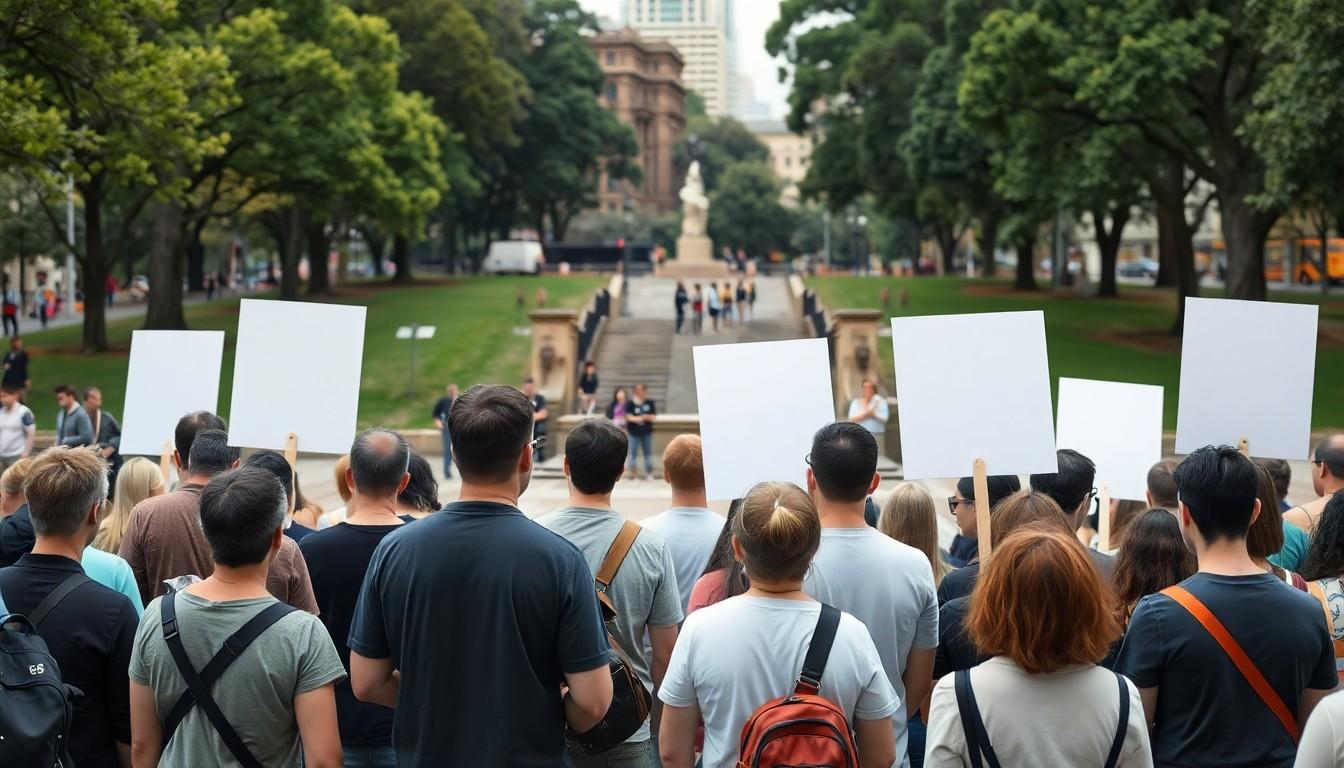
Shoppers are turning to solidarity: thousands gathered in Hyde Park to belt out tunes and defend the newly closed Divine Playhouse, a short‑lived queer venue evicted after weeks of protests and legal action; the sing-in matters because it highlights how culture, faith and property collide in Sydney and why independent queer arts spaces need protection.
Essential Takeaways
- Mass turnout: More than 2,000 people joined the peaceful “Sing In” rally in Hyde Park, singing together and showing visible support.
- Rapid closure: The Divine Playhouse opened only weeks ago inside a deconsecrated church and had its lease terminated days after protests began.
- Community energy: Performers and speakers framed the fight as cultural, spiritual and political, with a GoFundMe raising close to $50,000 and thousands signing a petition.
- Broader stakes: Supporters argue this is about protecting queer venues, free expression and the city’s nightlife, not merely a single building.
- Practical ask: Organisers urged anyone with a spare hall, warehouse or disused church to come forward as an alternative home.
What happened at the Hyde Park sing-in , and why it felt different
The biggest immediate impression was the sound: hundreds of voices lifting John Farnham, Madonna and protest songs into a sunny Sydney afternoon, a joyful noise rather than a shout. According to ArtsHub and ArtsReview, the Divine Peaceful “Sing In” was deliberately framed as a non‑violent, celebratory protest after the venue’s lease was suddenly terminated.
Backstory here is important. The Divine Playhouse had opened in a long‑deconsecrated former church under the name Unholy Playhouse but was rebranded after community concerns. Still, conservative groups targeted the space and, within days, the landlord launched legal action that led to all scheduled events being cancelled and the tenancy ended, a sequence covered by Pedestrian and AusLeisure.
If you were there, the mood felt like consolation and resistance rolled together. Organisers said the rally wasn’t just about one venue, and that point landed: people were singing to keep a wider cultural ecosystem alive.
Voices from the stage: culture, faith and queer identity collided
Speakers framed the closure as an attack on queer life, not belief. Performers like Victoria Falconer‑Pritchard and Aunty Jonny Hawkins spoke about making space and tending community, while Drag Race alum Etcetera Etcetera invited critics to see the show before passing judgement.
According to reporting in the Star Observer and ABC, speeches leaned into the language of faith and sanctuary , not to mimic religion, but to reclaim the idea of sacred spaces for queer people. Benjamin Law reminded the crowd that parties and venues have been lifesaving during crises and that shutting a place down echoes broader harms, from trans healthcare battles to lingering conversion therapy issues.
That rhetoric gave the rally moral weight; it wasn’t just about art for art’s sake, it was about survival, history and the rituals that knit communities together.
The legal and property angle: why the tenancy ended so fast
This was never only a PR spat. The ABC outlined how, after protests outside the venue, a landlord pursued legal avenues to halt what it termed “offensive trade,” resulting in a rapid eviction order. The speed of that response shocked many in the arts sector , a reminder that property law and planning rules can be used to police culture.
For venue operators and anyone thinking of hosting events, the takeaway is practical: check lease terms, local planning rules and potential covenants tied to heritage or former religious uses. If you’re offering queer programming in a repurposed sacred site, expect scrutiny and have contingency plans.
Money, petitions and community organising: the campaign’s momentum
Organisers have not been passive. The GoFundMe raised nearly $50,000 and the petition passed tens of thousands of signatures, a demonstration of quick, tangible grassroots support that ArtsHub and ArtsReview flagged as central to the campaign.
That kind of mobilisation does two things. It buys time , legal fees, outreach, venue scouting , and it builds a narrative that can sway landlords or local councils. If you want to help a threatened space, the simplest effective moves are signing, donating and offering a room or warehouse. Organisers openly asked anyone with a spare hall or disused church to get in touch.
What comes next , replacement venues, policy debates and a louder chorus
Organisers insist Divine Playhouse isn’t finished; they’re already scouting new homes and framing the closure as fuel, not a full stop. The rally showed a community that can pivot from grief to practical action , and that matters when venues can disappear overnight.
On a policy level, this episode feeds into wider debates about protecting independent arts spaces, how faith intersects with property law, and whether governments should step in to safeguard cultural diversity in nightlife. Expect more public debate and, if momentum holds, offers of alternative spaces from sympathetic landlords or community groups.
It’s a small change with big meaning: when culture is under threat, people will make noise , and sometimes sing until they’re heard.
Source Reference Map
Story idea inspired by: [1]
Sources by paragraph: