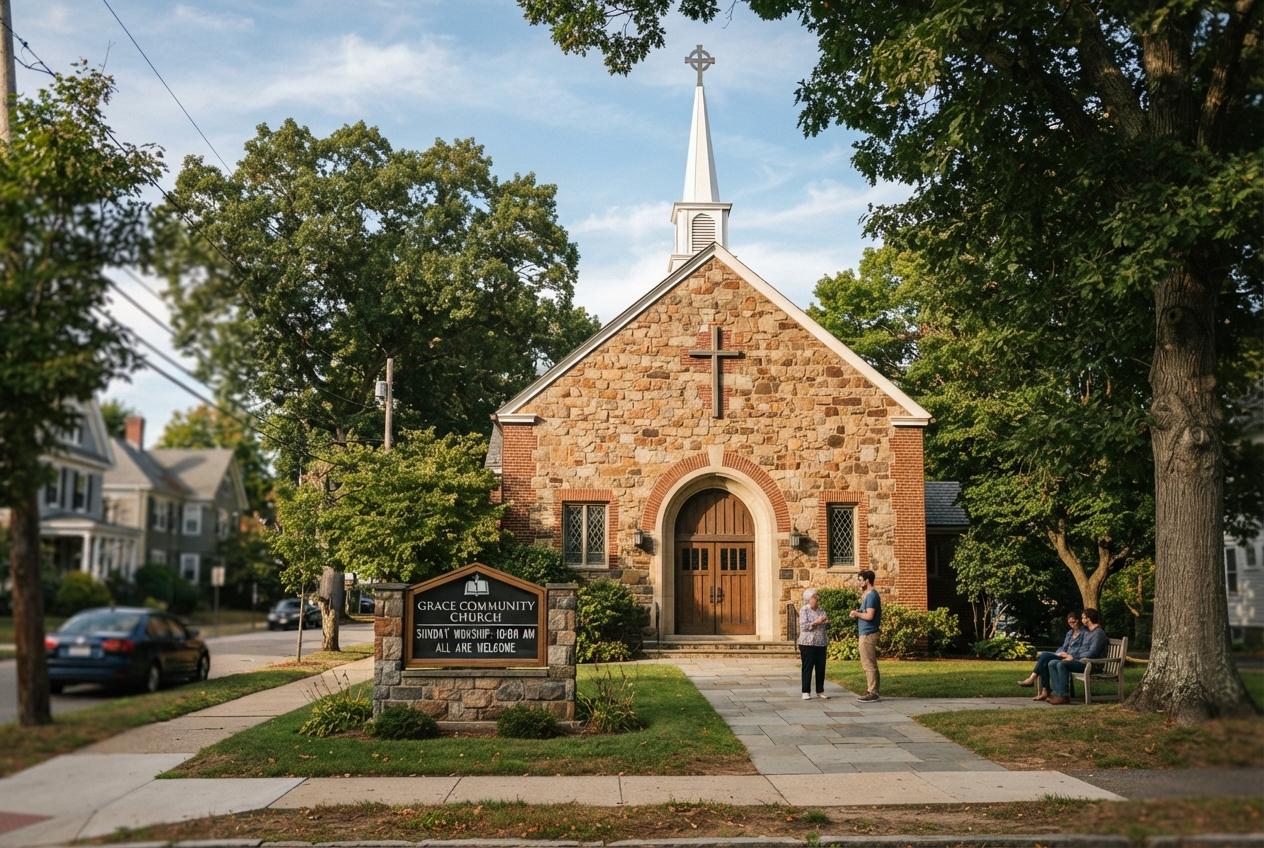
Shoppers are turning to spiritual homes that actually include them , from fully affirming congregations to those still hostile. This guide looks at which major Christian denominations in the U.S. are most welcoming to LGBTQ+ people, why it matters, and practical tips for finding a kind, safe place to worship.
Essential Takeaways
- Fully affirming: Metropolitan Community Churches and the Unitarian Universalist Association openly welcome LGBTQ+ people, perform same-sex marriages, and ordain queer clergy.
- Mainline openness with local variance: Denominations like the United Church of Christ, Episcopal Church, PC(USA) and ELCA support LGBTQ+ rights but allow congregational discretion, so experiences vary by parish.
- Recent policy shifts: The United Methodist Church removed bans on same-sex marriage and LGBTQ+ ordination in 2024–25, prompting splits and a new regional structure.
- Conservative stances remain common: Big players such as the Southern Baptist Convention, the Church of Jesus Christ of Latter-day Saints, and many Pentecostal bodies maintain anti-LGBTQ+ teachings.
- No one-size-fits-all: Many historic denominations are internally diverse; local leadership and culture often determine how welcoming a given church actually feels.
Why denomination labels still matter , and where they don’t
If you walk into a church building that carries a familiar name, you might expect the whole denomination to feel the same. But that’s often not true. According to coverage of major U.S. Christian groups, some denominations set national policies supporting same-sex marriage and queer clergy, while others leave decisions to local congregations. That means your nearest church could be either a refuge or a minefield regardless of the national headline. Practical tip: call or email the local congregation, ask about their stance on marriage, ordination, and restroom access, and check their website for an inclusion statement before you visit.
The most welcoming options , what they promise
A few faith bodies were founded explicitly to serve LGBTQ+ people or have long histories of inclusion. The Metropolitan Community Churches began as an affirming Christian home in 1968 and still centre queer leadership and sacramental equality. The Unitarian Universalist Association, while not narrowly Christian in creed, has been performing and supporting same-sex marriages and trans ministers for decades. Those communities tend to feel intentionally safe , queer clergy, visible rituals, and explicit non-discrimination policies. If you want a congregation where your identity is honoured rather than tolerated, these are good places to start.
Mainline denominations: progressive policies, local differences
Denominations such as the United Church of Christ, the Episcopal Church, the Presbyterian Church (USA) and the Evangelical Lutheran Church in America have moved toward affirmation over recent decades. But here's the catch: many of these groups allow congregations or dioceses latitude to opt in or out of specific practices such as same-sex weddings or ordaining LGBTQ+ clergy. That autonomy can be a strength , it keeps diverse congregations together , but it also produces wildly different experiences in neighbouring towns. Practical tip: use denomination directories to find congregations that list LGBTQ+ welcome statements, and look for signs like pride flags, inclusive liturgy, or clergy bios that mention marriage equality.
Large-scale shifts and fallout , the United Methodist example
When a global denomination changes its rules, people notice , and sometimes leave. The United Methodist Church voted in 2024 to remove bans on same-sex marriage and LGBTQ+ ordination, changes that took effect in 2025. The move was celebrated by many queer Methodists , and led roughly a quarter of congregations to break away or re-affiliate with conservative bodies. What that shows is how policy shifts can create opportunity and upheaval at once. If you’re picking a church during a period of transition, expect public debates and shifting local alliances.
Where exclusion remains strongest
Numerous influential denominations still hold explicitly anti-LGBTQ+ teachings. The Southern Baptist Convention, many Pentecostal groups, the Church of the Nazarene and parts of the African Methodist Episcopal tradition publicly reject same-sex unions and often bar LGBTQ+ clergy. The Roman Catholic and Eastern Orthodox churches maintain doctrinal objections to same-sex marriage and many forms of gender transition, though pastoral approaches vary by parish and bishop. The Church of Jesus Christ of Latter-day Saints distinguishes attraction from behaviour and enforces policies that limit participation for those who act on same-sex relationships or who transition. If safety is a primary concern, avoid churches whose national statements explicitly criminalise or pathologise queer identities , and seek community elsewhere.
How to find a queer-friendly congregation near you
Start local and use multiple signals: denomination policy, congregation website, social media, and personal outreach.
- Look for explicit inclusion statements, pronoun use, and photos that show diverse families.
- Attend a weekday event first , a coffee morning or study group , to get a quieter sense of culture.
- Ask direct but simple questions: “Does this congregation perform same-sex marriages?” or “Are LGBTQ+ people welcome to serve in leadership?” You don’t owe anyone an explanation for leaving a church that feels unsafe; your spiritual life is yours to protect.
It's a small change that can make worship feel like a home again.
Source Reference Map
Story idea inspired by: [1]
Sources by paragraph:
- Paragraph 1: ,
- Paragraph 2: ,
- Paragraph 3: ,
- Paragraph 4: ,
- Paragraph 5: ,
- Paragraph 6: ,
- Paragraph 7: ,