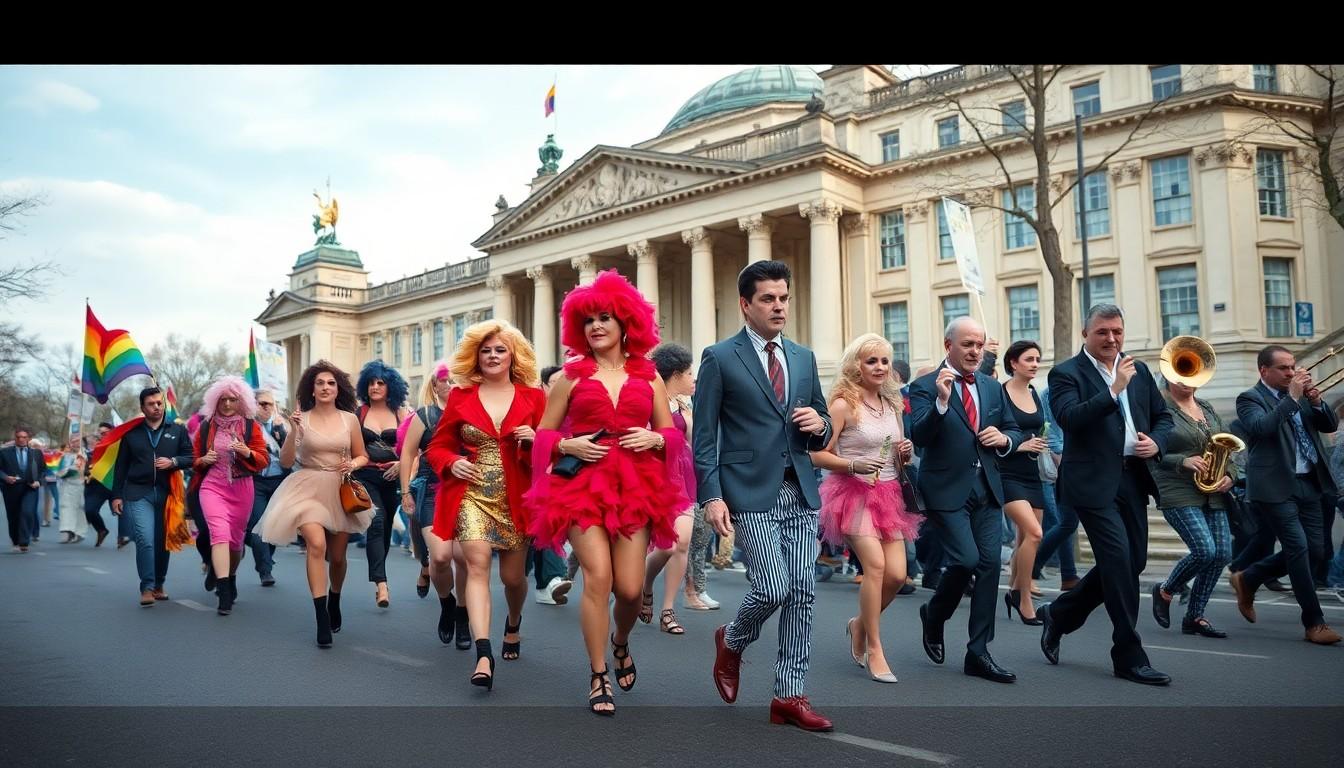
Shoppers, tourists and locals stopped to watch as Berlin’s first-ever drag march rolled by, a vivid blend of protest and party that opened the city’s Pride weekend , and reminded everyone why visibility still matters. Here’s what happened, who turned out, and why this moment feels both celebratory and politically sharp.
- What unfolded: Hundreds of drag queens, kings and supporters marched through central Berlin, passing the Reichstag and Brandenburg Gate, to music and bold costume.
- Atmosphere: Joyful and noisy, with glitter, high heels and brass bands; the march mixed solemn protest gestures with carnival-like spectacle.
- Organisers: The Sisters of Perpetual Indulgence played a visible organising role, handing out info and fundraising for HIV, AIDS and queer causes.
- Historical note: The event kicked off Berlin’s Christopher Street Day, linking local celebration to the 1969 Stonewall uprising in New York.
- Practical takeaway: If you’re attending Pride parades, bring comfortable shoes, expect security checks and soak up the mix of music, messaging and theatre.
A bold opening act for Berlin Pride , loud, proud and unmissable
The first sentence on the street was visual: purple lashes, a pink veil and a painted white smile catching the sun. Reporters noted a distinctly theatrical feel as Sister Daphne and other performers led the procession, blending drag glamour with deliberate political gestures. The crowd cheered, dancers moved to a brass band and the mood balanced resistance with revelry. For many onlookers it was equal parts performance and proclamation, an event that’s as much about being seen as it is about making a statement.
Where tradition meets a new performative politics
Berlin’s new drag march didn’t spring up overnight; it opened the city’s Christopher Street Day events and deliberately tied itself to the long arc of queer protest. Organisers staged the march to echo Pride’s origins while adding a fresh, performance-first approach. They played “Das lila Lied,” a 1920s gay-rights anthem, to bridge history and modernity. The result felt intentionally layered , you could laugh, cry, dance and think all at once.
The Sisters of Perpetual Indulgence: cheeky, charitable and visible
The Sisters , a group known for dressing as flamboyant nuns , were front and centre, handing out safer-sex information and raising funds for those affected by HIV and queer projects. They’ve been part of queer organising since the late 1970s in San Francisco and have had a German presence since the early 1990s. Their role at the march underlined that Pride can be both party and public health platform, mixing humour with harm reduction in a way that’s uniquely effective.
What the march tells us about queer visibility in Europe
Events like this show how visibility strategies have changed: activists now often use theatricality to reach broader audiences while still delivering a political message. The mix of protest slogans, fist-raising and sequins makes the point that queer lives are political and worthy of celebration. Meanwhile, the massive expected turnout for the main parade the following day suggested Berlin’s Pride remained one of Europe’s most influential LGBTQ+ gatherings.
Practical tips if you want to join next time
If you plan to attend future Pride events in Berlin, aim to arrive early for better viewing and fewer crowds, wear comfy shoes for long stretches of standing and walking, and bring a small bag for essentials. Expect music, megaphones and highly visible groups handing out leaflets and support resources. And if you want to participate rather than spectate, consider contacting local queer organisations in advance to learn about volunteer or fundraising opportunities.
It’s a small shift to dress up, step out and make both joy and politics visible.
Source Reference Map
Story idea inspired by: [1]
Sources by paragraph: