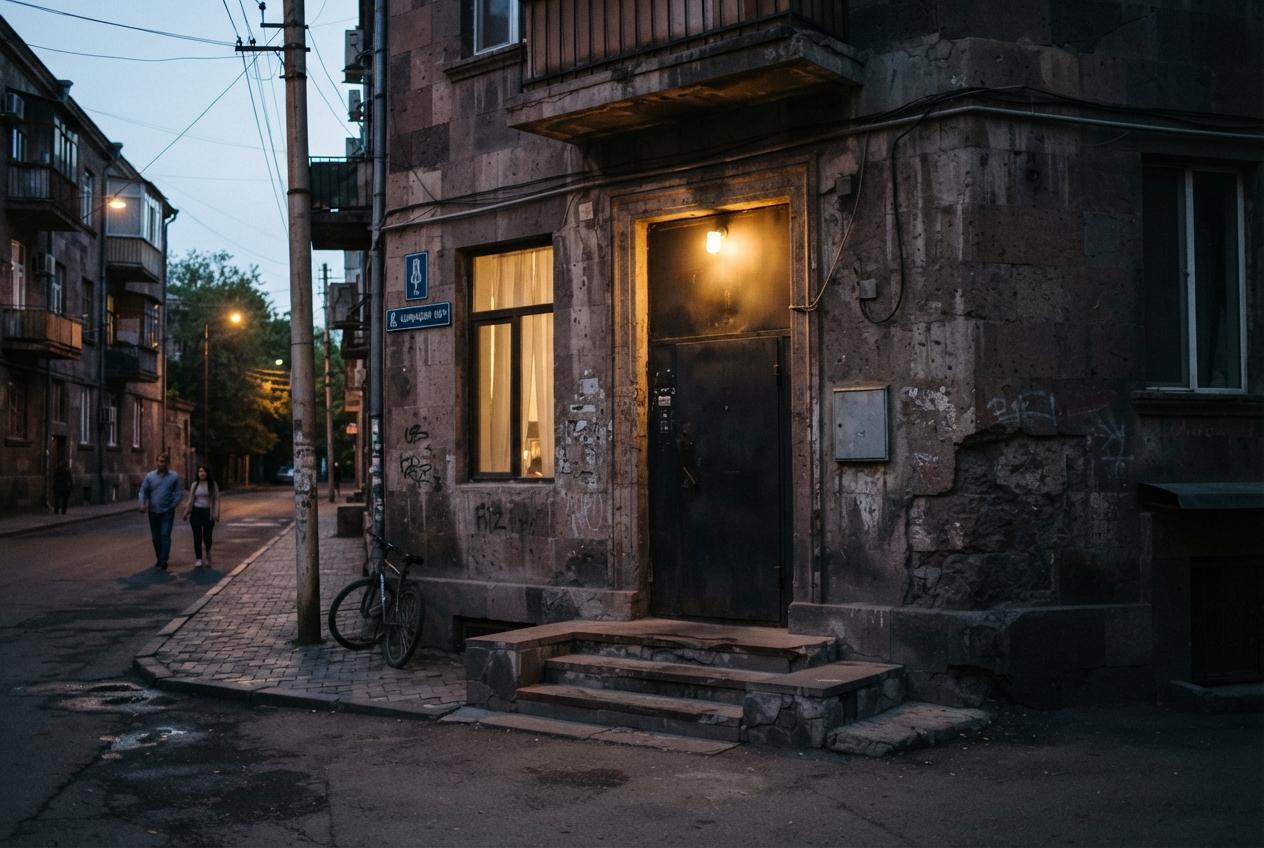
Watchers are gathering in basements and back rooms across Yerevan as underground drag shows surge , a defiant, colourful response to police raids, threats and social stigma that matters because these performances are both a refuge and a public statement about queer life in Armenia.
Essential Takeaways
- Growing but secretive: Underground drag events in Yerevan use word‑of‑mouth and private social posts to avoid police attention and violent backlash, creating a tense, intimate atmosphere.
- Safety concerns are real: Past incidents include firebombings and mob attacks, so organisers hire security and sometimes cancel shows if authorities or threats appear.
- Russian arrivals shifted norms: An influx of Russians since 2022 has influenced visible style and helped normalise gender‑nonconforming fashion, but local queer Armenians still face stigma.
- Economic squeeze affects safety: Rising rents and competition for housing have added pressure on young people, with NGOs reporting increases in domestic violence and vulnerability.
- Joy and resistance combined: Events draw hundreds, radiate pride flags and community warmth , performers describe shows as survival, creative expression and a demand for respect.
Why drag in Yerevan feels both electric and fragile
The first thing you notice about these shows is how charged the air is , the music, the lights, the hush when someone steps onstage. Organisers keep locations tight and details private because raids and physical attacks have scarred the community. According to human rights groups, bars and queer venues have been firebombed or targeted in mob violence, so secrecy is a survival tactic. For attendees, the thrill of being seen mixes with the constant calculation of risk, which is why many shows feel like defiant family gatherings rather than open nights out.
How Russia’s exodus reshaped the city’s look and tolerance
When tens of thousands of Russians moved to Armenia after 2022, they brought styles and visibility that made gender‑bending clothing more familiar on Yerevan’s streets. Performers and community leaders say this helped shift perceptions: bright hair and daring outfits suddenly looked like fashion rather than a sign of “perversion.” But tolerance has limits. Locals report that the same expressions of queerness can be praised in a Russian newcomer and condemned in an Armenian neighbour, illustrating how xenophobia and conservatism tangle with acceptance. It's a nuanced change , progress that still leaves many exposed.
Security realities: from private invites to walkie‑talkies
Organisers have adapted fast: venues rely on private invites, vetted guest lists and extra security. Some performers described using walkie‑talkies and even bulletproof vests when raids were imminent in neighbouring countries, while venues that opened openly often faced police scrutiny under pretences like drug investigations. Legal protections are thin; advocacy groups have documented police raids and violent attacks repeatedly. Practical advice for visitors or new performers is simple , stick to trusted networks, respect organisers' safety rules, and never post location details publicly.
The social and economic pressures behind the drag revival
Beyond spectacle, the scene reflects wider social strains. Economists and NGOs have linked the recent demographic shifts to rising rents and strained services, and queer advocates say young people now face higher risks inside homes as much as outside them. Domestic violence reports to charities have risen in recent years, suggesting that visibility can lead to both liberation and reprisals. Yet many performers argue the art itself is therapeutic , a way to process grief and build solidarity , so the movement keeps growing despite the costs.
What the future might hold for queer nightlife in Armenia
There’s a cautious optimism among artists and activists: bigger crowds, more shows and a sense that drag has become a cultural symbol that people “love” even in a conservative city. At the same time, police pressure and occasional harassment mean the scene will likely remain semi‑clandestine for now. International attention and support from NGOs can help, as can simple changes like improved venue security and legal aid for those threatened. If anything, the community’s resilience looks set to harden , more visibility, more resistance, and, fingers crossed, a steadier sense of safety.
It's a small but potent cultural shift: drag in Yerevan is about performance, protection and the plain human desire to live out loud.
Source Reference Map
Story idea inspired by: [1]
Sources by paragraph: