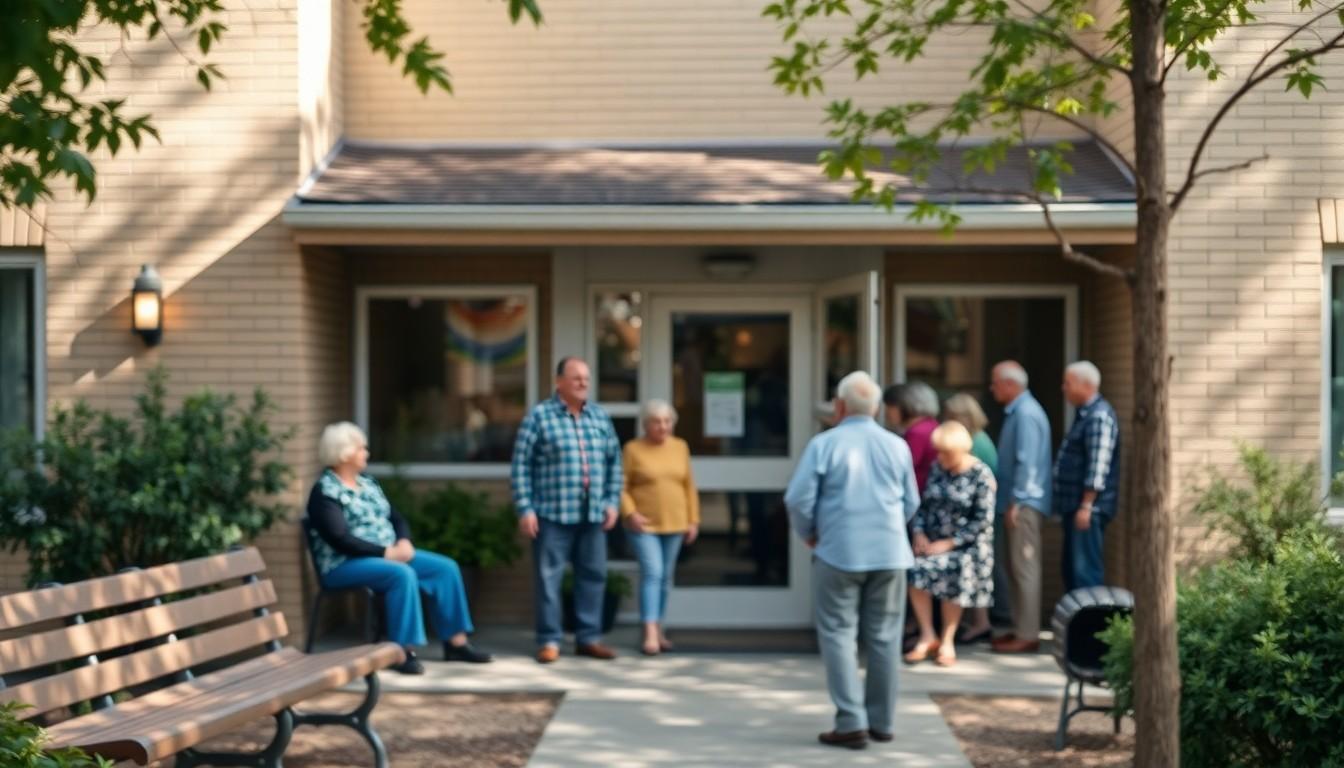
Shoppers are turning to community-led care: researchers and advocates say stronger social ties, tailored services and safer spaces can sharply improve mental health outcomes for older LGBTQ adults , especially in regions where isolation and discrimination are still common.
Essential Takeaways
- Higher isolation risk: Older LGBTQ adults face greater social isolation than their heterosexual cisgender peers, which affects mental and cognitive health.
- Lifelong trauma matters: Decades of discrimination and bias shape how older queer and trans people access healthcare and ageing services.
- Community spaces help: Local centres, faith communities and LGBTQ-friendly housing provide practical support and emotional resilience.
- Mixed-methods evidence: Combining surveys with interviews gives richer understanding of needs and can guide targeted programmes.
- Actionable wins: Peer networks, staff training in aged care, and dedicated senior housing are cost-effective, high-impact interventions.
Why isolation is a mental-health emergency for older LGBTQ adults
Loneliness here isn’t just an unpleasant feeling; it’s a measurable risk factor for depression, anxiety and even cognitive decline. Research shows older LGBTQ people are more likely to live alone and be estranged from biological family, so the quiet of later life can become hazardous. According to public-health analyses, that isolation compounds earlier trauma from a lifetime of discrimination, leaving many more vulnerable than their peers. For policymakers and local groups, the takeaway is clear: reducing isolation is a public‑health priority, not just a kindness.
How community centres and faith spaces can be protective
Local LGBTQ centres and affirming religious communities often serve as lifelines, offering social activities, counselling and practical help. Interview-driven research in Houston, for instance, highlights how older adults describe these spaces as “family” , softening the sting of exclusion elsewhere. Programmes that partner with existing centres tend to be cheaper and faster to spin up than building services from scratch, and they bring trust that clinical settings sometimes lack. If you’re setting up support, start by listening to what elders already say they want: companionship, practical support and a judgement-free welcome.
Why tailored housing and trained staff matter in aged care
Nursing homes and care services can be fraught for LGBTQ elders who expect or have experienced bias. Studies and surveys indicate that visible LGBTQ-friendly housing and staff training reduce mistreatment and increase wellbeing. Practical tips: label services as inclusive, run cultural-competency workshops for care staff, and create dedicated units or programmes for queer seniors where possible. Those moves build a safer daily life , and they show up in better mental-health outcomes.
The value of mixed methods: numbers plus stories
Quantitative surveys map the scale of problems like discrimination and health disparities, while qualitative interviews explain how those forces play out in people’s lives. Combining both approaches produces findings that are easier to act on: you get prevalence estimates and you get vivid, serviceable detail. That blend has already helped groups shape outreach and craft video materials that centre elders’ voices. For funders and local authorities, mixed-methods evidence makes the case for targeted investment more compelling.
Practical steps communities can take now
Start small and focus on relationships. Create peer-led social groups, run outreach to isolated older adults, and partner with LGBTQ centres for referral pathways to mental-health care. Train frontline staff in primary care and aged services on LGBTQ histories and needs, and visibly mark clinics and care homes as safe spaces. Funders should prioritise affordable senior housing with supportive services built in , it’s one of the most tangible ways to reduce isolation and improve long-term outcomes.
It's a small set of changes with outsized benefit: better social connection and safer services can make later life gentler and healthier for LGBTQ elders.
Source Reference Map
Story idea inspired by: [1]
Sources by paragraph: