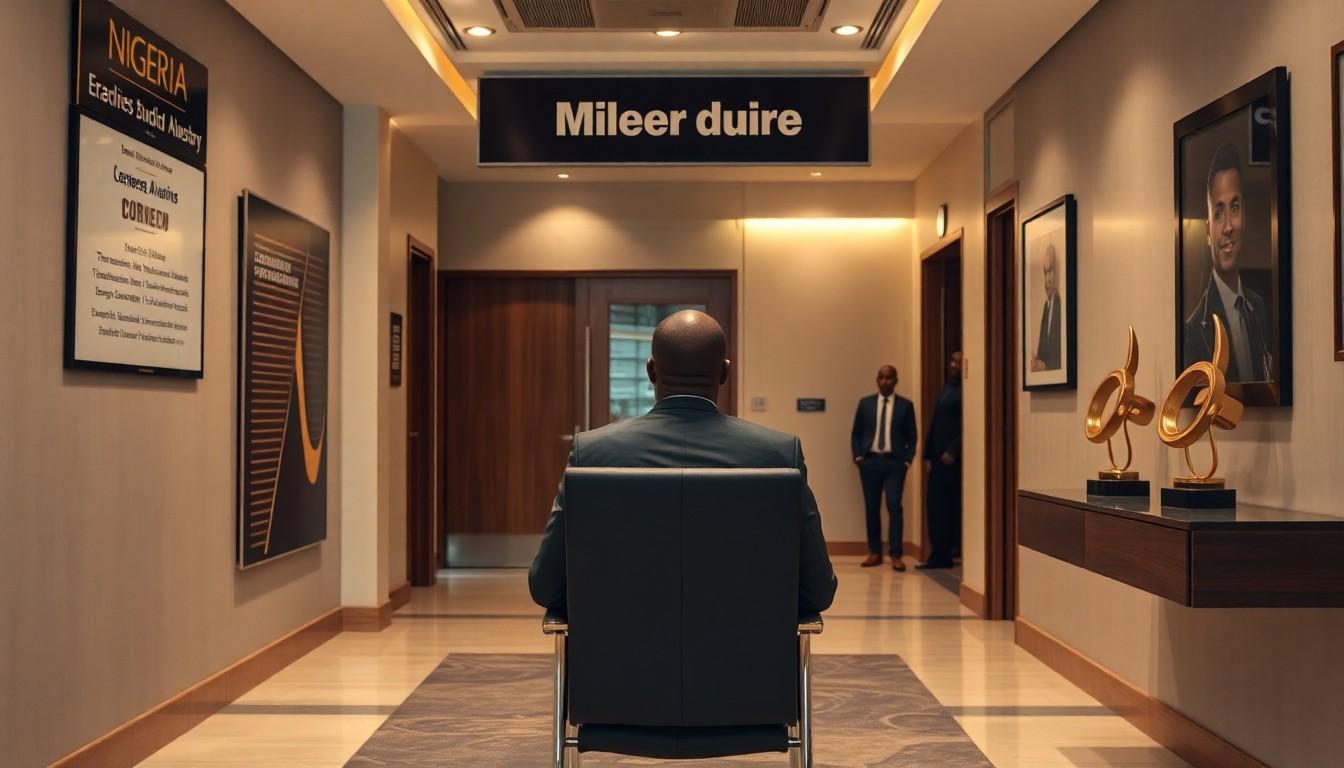
Shoppers of pop culture keep buying a familiar product , tough, wealthy, unemotional men , and Nigeria’s entertainment industry keeps supplying it. From Afrobeats to Nollywood, the economics of sponsorships and audience expectation help explain why traditional masculinity still wins mainstream rewards.
Essential Takeaways
- Commercial logic rules: Brands and studios favour male stars who project financial dominance and stoicism, because they offer predictable returns.
- Feminine expression is tolerated , conditionally: Cross-dressing and gender play thrive as comedy fodder, but rarely translate into serious mainstream status.
- Digital platforms are shifting power: TikTok, Instagram and YouTube let non-conforming creators monetise directly and build niche followings.
- Risk aversion limits progress: Corporate sponsors shy away from unconventional ambassadors in big campaigns, keeping them on the margins.
- Everyday impact: Creators who step outside parody risk professional and social backlash, even when they defend their identity publicly.
The commercial engine behind a familiar male image
Nigerian pop culture rewards predictability, and nothing looks more like a predictable return on investment than a male star who radiates wealth and emotional control. According to coverage of the backlash around influencer James Brown, his insistence that being “soft” doesn’t equal weakness pushed against this commercial logic. Brands and film studios prefer personalities who fit an established template, so their marketing plans don’t have to gamble on audience reactions. If you’re choosing talent for a big telecom ad, you’re unlikely to pick someone who introduces ambiguity into your brand story; that’s how risk aversion becomes cultural reinforcement.
When feminine expression becomes punchline, not platform
Cross-dressing in Nigerian sketch comedy is a huge traffic driver, but it’s usually framed to provoke laughter rather than empathy. Creators routinely don female attire for skits that go viral and attract deals, which shows audience appetite for the spectacle. But when figures like James Brown present femininity as part of their sincere identity, mainstream acceptance fractures and backlash follows. For consumers, the difference between a gag and a person matters; for corporations, the difference defines who gets the headline campaign.
Why the digital shift matters , and what it can’t fix alone
Direct-to-consumer platforms have rewritten some rules, letting creators build followings without gatekeepers. James Brown and similar personalities can monetise attention on social platforms, sell content directly and cultivate loyal fans in ways traditional media couldn’t. Still, industry legibility , the kind that wins prime-time film roles and major brand ambassadorships , hasn’t caught up. So the internet gives shelter and income, but it doesn’t yet buy the institutional legitimacy that comes with mainstream corporate backing.
The role of social context and corporate caution
Mainstream executives don’t operate in a vacuum; regulatory ambiguity and conservative social norms shape decision-making. That helps explain why many big-name brands avoid naming gender-nonconforming figures as their lead ambassadors. It’s less about individual prejudice and more about perceived market sentiment and legal comfort. Until those corporate calculations change, unconventional creators will often be invited in for flash activations rather than long-term, high-value partnerships.
Practical advice for creators and brands navigating this landscape
Creators should treat social platforms as both stage and safety net: build direct revenue streams while choosing mainstream opportunities carefully. For brands wanting to be brave, start with smaller, well-contextualised campaigns that educate audiences before scaling visibility. Audiences can help by paying for creators’ work directly, signalling there’s a market beyond performative virality. And for anyone following these stories, remember that visibility doesn’t equal acceptance , the next step is sustainable institutional support.
It's a small cultural economy decision with big consequences for who gets paid, promoted and normalised.
Source Reference Map
Story idea inspired by: [1]
Sources by paragraph: