Shoppers are turning eyes to queer sports culture as leagues, bars and teams expand; this issue spotlights who’s playing, cheering and organising , and why visibility matters for community, safety and belonging. Read on for the standout stories, practical ways to get involved, and why everyone deserves a place on the field.
Essential Takeaways
- Queer teams matter: Women’s and queer-led teams create chosen-family bonds and durable support networks for players.
- New leagues rising: Fresh professional leagues and viral moments are pushing visibility, even if pay and infrastructure lag.
- Third spaces bloom: Women’s sports bars and fan hubs are expanding as lively, intentionally queer public spaces.
- Recreation is radical: Kickball, roller derby, running and climbing offer accessible ways to meet people and resist exclusion.
- Inclusion still contested: As trans exclusion becomes a political battleground, community organising and travel precautions remain vital.
Why queer sports feel like chosen family
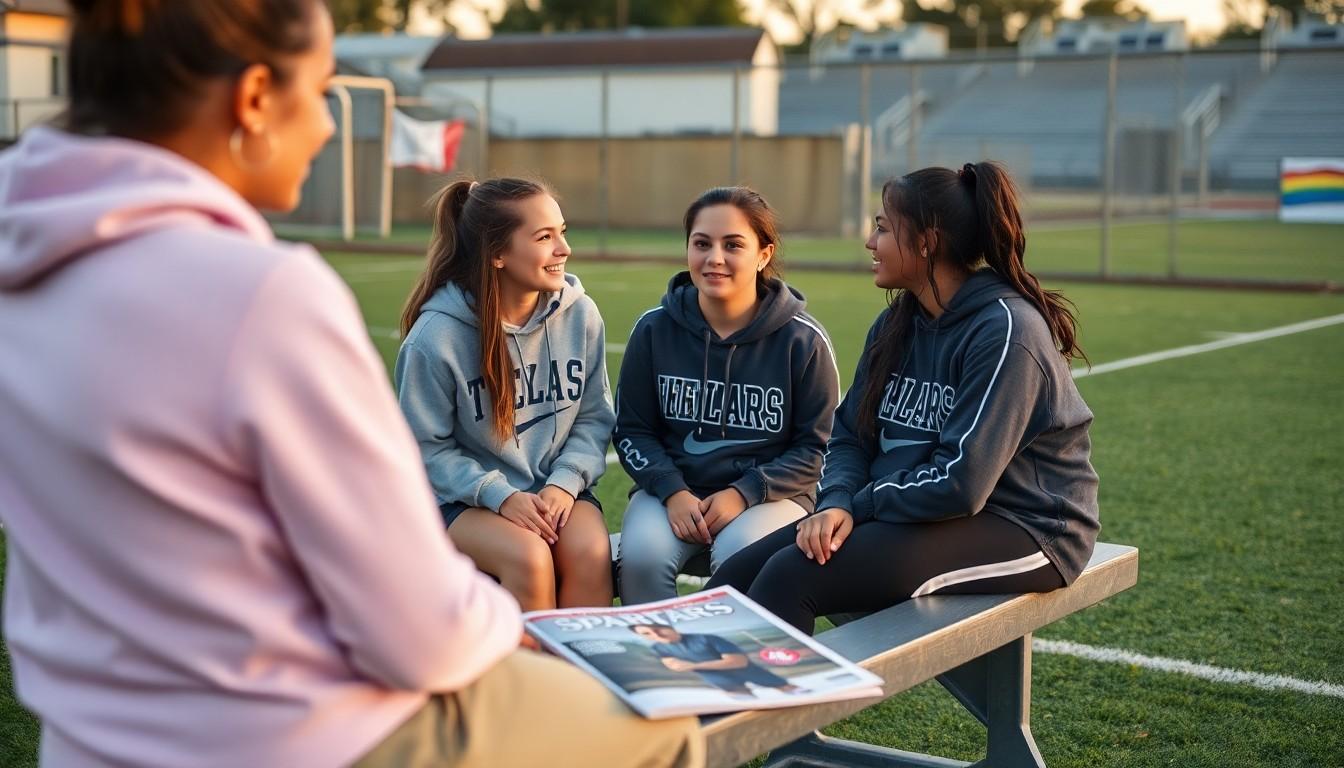
Queer teams often read like a warm, loud living room: easy laughs, inside rituals and a steady mix of sweat and care. Photographs of the Texas Elite Spartans show that intimacy , players piled together after a win, heads bent into each other , and it’s the kind of visual you feel in your chest. Frankie de la Cretaz’s reporting captures those ties as more than fluff; they’re the glue that keeps leagues and pickup communities alive when budgets and attention are scarce.
That closeness didn’t appear overnight. According to longer histories of queer women in sport, many of these networks evolved in response to exclusion from mainstream gym culture and school teams. Where institutional support was missing, queer athletes built their own. If you’re choosing a team to join, look for groups that advertise social time and inclusive policies; those are as important as training schedules.
New pro leagues and viral moments are changing the conversation
When a team or player breaks through with a viral clip, attention follows , but so does scrutiny. The Texas Elite Spartans’ “most viral women’s football video” pushed their name into broader chats about women’s football, but earned fame doesn’t automatically mean sustainable pay or infrastructure. Reporters across culture outlets note that visibility often precedes financial change, rather than replacing it.
Still, new professional ventures, like the Women’s Professional Baseball League, show momentum. Profiles of players such as Ashton Lansdell and Denae Benites highlight both the joy of playing and the structural hurdles that remain. If you care about lasting change, consider supporting through subscriptions, ticket buys, or direct donations rather than a one-off share or retweet.
Women’s sports bars: leisure, activism and community space
Women’s sports bars have become more than places to watch a game; they’re curated third spaces where identity, style and fandom meet. Coverage of recent openings places these venues as hubs for queer spectatorship , rooms that feel both safe and celebratory, with thoughtful drinks, representation-heavy playlists and staff who understand why pronouns matter.
Local reporting shows a boom in such bars in Midwestern and coastal cities. If you’re nervous about visiting a new venue, call ahead about accessibility, quiet hours and whether the staff are trained on inclusion. Going with a friend group or arriving early can turn a first trip into a recurring habit. These bars are small but meaningful acts of cultural infrastructure.
Rec sports: practical ways to make friends and fight loneliness
You don’t need pro-level skills to find belonging. Recreational sports meet the need for low-stakes camaraderie, and formats like she/they kickball or queer running groups are explicitly designed to be social and welcoming. Writing on the subject makes a persuasive case: regular, casual play is one of the best antidotes to loneliness in queer communities.
Pick teams that prioritise community guidelines, clear safety policies and flexible attendance. If you’re anxious about pronouns or locker rooms, reach out to organisers before the first meet-up. Many clubs will accommodate or have options for gender-neutral changing spaces. Above all, expect the first few sessions to be awkward , that’s normal , and treat it as practice for connection.
The fight over who gets to play is far from over
Sports have always been political terrain. As queer and trans inclusion becomes a flashpoint in national debates, the stakes for local clubs, school teams and leagues rise. Coverage of trans-inclusive roller derby and grassroots organising makes it clear that exclusion isn’t just theory; it affects travel, safety, and whether tournaments will even allow participation.
That means practical precautions: check event policies in advance, carry emergency contact info, and connect with national advocacy groups for guidance if your club faces hostility. Supporting inclusive policy at league and municipal levels can shift the landscape, but it’s also important to tend to immediate community safety and solidarity.
It's a small change that can make every game feel like home.
Source Reference Map
Story idea inspired by: [1]
Sources by paragraph: