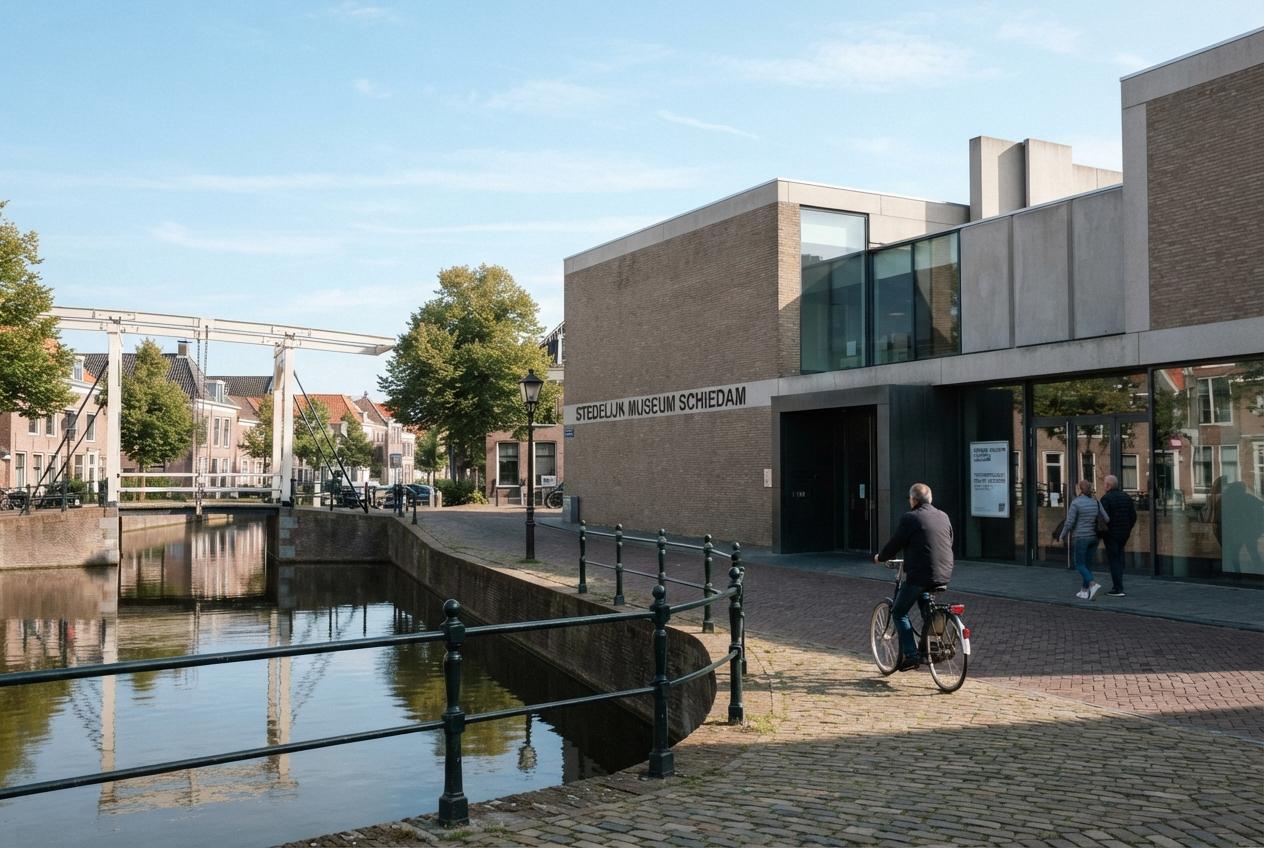
Shoppers of culture are flocking to queer art this summer, with major shows in Basel, Düsseldorf and Amsterdam proving both celebratory and controversial; visitors should care because these exhibitions map hidden histories, spark debate and show how political tides shape what we hang on the walls.
Essential Takeaways
- Historic anchor: Kunstmuseum Basel’s The First Homosexuals displays Karl Maria Kertbeny’s 1869 letter and early artworks that encoded same‑sex desire, giving visitors a vivid sense of discovery.
- Broad embrace: Major museums now programme queerkunst more often, with shows from the Stedelijk to Düsseldorf and Venice bringing LGBTQ+ voices into mainstream institutions.
- Political pushback: In several countries exhibitions have been postponed or cut amid conservative backlash, which affects curation and artists’ participation.
- Sensory notes: Expect quiet, code‑rich imagery, subtle colours, small gestures like violets, intimate portraits, not just bold slogans or spectacles.
- Practical tip: If you want context, seek guided tours or catalogues; many shows use codified motifs that reward close looking.
Why The First Homosexuals feels like a small archaeological thrill
Walk into Kunstmuseum Basel and you immediately encounter a fragile, decisive moment: a handwritten 1869 letter that helped shape a word and an identity. That tactile trace makes history feel close, quiet and oddly domestic, like overhearing a conversation in an attic. According to the museum, the show gathers paintings, photos and sculptures from 1869–1939 that used visual codes to signal same‑sex love. For visitors this is a lesson in looking, the violets, the poses, the off‑hand props are clues rather than proclamations.
That curatorial choice explains why many critics and curators still champion the exhibition: it privileges nuance over spectacle. The museum’s timeline approach also places the work in social and legal context, so you see not just images but the conditions that produced them. If you want to appreciate queerkunst beyond slogans, this is the kind of show that repays slow attention.
From fringe to mainstream , and the tricky comfort of labels
There’s no denying a shift: large institutions that once excluded queer makers now curate them alongside canonical movements. Curators such as Martijn van Nieuwenhuyzen point to a lineage from trailblazing shows like From the Corner of the Eye (1998) through recent presentations in Basel, Düsseldorf and Venice. That mainstreaming feels like progress; it’s visible in catalogue pages, wall text and museum shop picks.
But there’s a catch. Some curators warn of “institutional ease”: adding a queer label can become a box‑ticking exercise rather than a sustained commitment. The result is occasionally superficial programming that highlights identity as headline rather than as one strand of artistic significance. Practical advice: look for exhibitions that pair queer narratives with solid scholarship and diverse voices, not just token inclusions.
When politics reach the gallery door
The wider political climate matters here. Critics such as Bas Hendrikx note that in countries with tightening LGBTQ+ rights, museums face cancelled shows or self‑censorship. Media reports have documented exhibitions delayed because institutions feared backlash or because artists objected to imposed edits. High‑profile disputes, including at US institutions, show how debates about representation, safety and editorial control can spill into exhibition halls.
For visitors that reality changes how you experience work: some pieces carry an extra charge because they survived controversy, others feel muted because of concessions made beforehand. If you want the full story, read press releases and reviews alongside the show, knowing the institutional backstory deepens the encounter.
What to look for in contemporary queer shows
Contemporary queerkunst is rarely monochrome. You’ll find humour and irony, bodybuilders painted with wry captions, for instance, alongside grief and rage. Many artists who emerged in the late 20th century used coded visual languages; newer generations mix that history with explicit, intersectional perspectives. That creates exhibitions that are tactile and varied: soft portraits, stark installations, archival documents.
Practical pointers: check the label for dates and provenance, follow museum audio tours that unpack symbolism, and linger at smaller works where the “code” often lives. Festivals such as WorldPride make seeing several linked shows in one trip easier, so plan a route and buy timed tickets if offered.
Looking forward: museums, artists and the next wave of queerkunst
Museums will keep adjusting. Some are deepening collections and scholarship, others are learning how to support artists through contentious moments. Artists too are pragmatic; many factor in political risk when choosing venues, but they’ve also shown resilience and readiness to fight for their work. That tug‑of‑war means queerkunst remains a live conversation rather than a settled chapter in art history.
For audiences the takeaway is simple: exhibitions like The First Homosexuals do more than display images. They map identities, trace risks and invite you to look closely. And yes, your visit is part of that ongoing story.
It's a small change that can make every gallery visit a bit more revealing.
Source Reference Map
Story idea inspired by: [1]
Sources by paragraph: