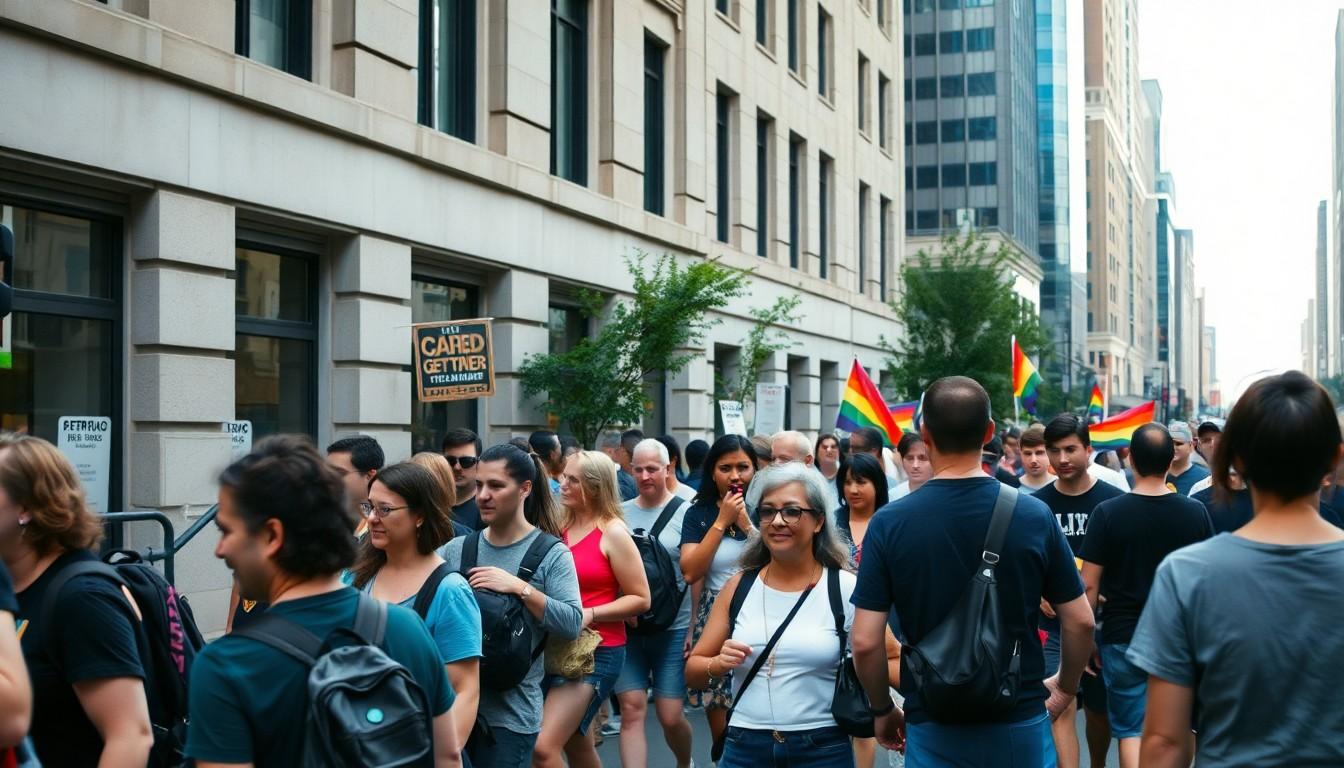
Notice how debates over nudity and visibility keep bubbling up at Pride: organisers, queer women and critics in Berlin are arguing about whether Christopher Street Day should feature fewer exposed penises , and why that matters for safety, inclusivity and the politics of queer visibility.
Essential Takeaways
- Tension over public nudity: Many queer women and non-binary people report feeling sidelined by overt male sexual displays at CSD, which can feel exclusionary or unsafe.
- Historical context matters: Pride’s roots in radical, provocative visibility gave queer people space to rebel; nakedness has long been a form of protest as well as celebration.
- Different consequences by gender: Women who expose themselves risk sexualisation, harassment and online shaming in ways men often do not.
- Calls for nuance: Some argue that policing male nudity flattens queer culture and erases trans and sex‑positive voices; others want clearer rules and better enforcement to protect vulnerable attendees.
- Practical options exist: Parallel events, clearer codes of conduct and designated zones can balance celebration with safety.
Why people are tired of unsolicited displays at Pride
There’s a visceral reaction when random penises become part of a parade: people feel stared at, photographed or reduced to a body part. Reports from Berlin describe how repeated encounters with male nudity at CSD , from flashing to public masturbation , leave some attendees feeling unsafe or unable to take part in the celebration. According to commentary in local debates, that experience pushes many queer women and non-binary people away from the main march and towards quieter, sex‑positive or women‑centred alternatives like the Dyke*March.
A short history: Pride’s provocative streak isn’t accidental
Pride did not emerge as a prim parade; it began as disruptive resistance. Histories of Christopher Street Day and queer protest note that outrageous dress, nudity and boundary‑pushing aesthetics were tools to claim space and to shock the mainstream into noticing injustice. That legacy is part of why some activists argue nakedness can still be radical and empowering, particularly for communities that were once criminalised or pathologised for their bodies and desires.
Why the same act doesn’t land equally for everyone
Context changes how an action is read. When a cis man flashes, the fallout often skews different than when a cis woman bares nipples or skin. Women report being sexualised, harassed or photographed without consent , images that can then circulate and affect work and safety. It’s a practical point: rules, enforcement and consent matter because of the unequal social consequences. For organisers and attendees, recognising that asymmetry is key to building a Pride where more people can feel present and respected.
The other side: why some defend nudity on the dancefloor and the float
For many gay men and trans people, visible sexual expression is not only celebration but survival and community memory. Commentators remind us of ballroom, slut aesthetics and the ways nudity has destabilised patriarchal norms. There’s also an argument that excluding nakedness risks policing queer bodies and erasing trans women or non‑binary people who present in masculine ways. Those who defend nudity ask for nuance , not blanket bans, but consent culture and shared responsibility.
Practical middle ground: how organisers and attendees can navigate it
There are practical steps that can ease tensions without muzzling expression. Clear codes of conduct and visible marshals help , let people know what’s acceptable, and act quickly on harassment. Designated zones for more adult‑oriented expression can keep family‑friendly stretches calmer. Promote consent education and rapid takedown of non‑consensual photos. And continue to programme parallel events , Dyke*Marches, sex‑positive parties, quiet marches , so people pick the space that fits them.
Closing line Pride will keep being messy , and that’s partly its power , but a bit more listening, clearer rules and more space for different forms of queer joy would make it feel safer for everyone.
Source Reference Map
Story idea inspired by: [1]
Sources by paragraph: