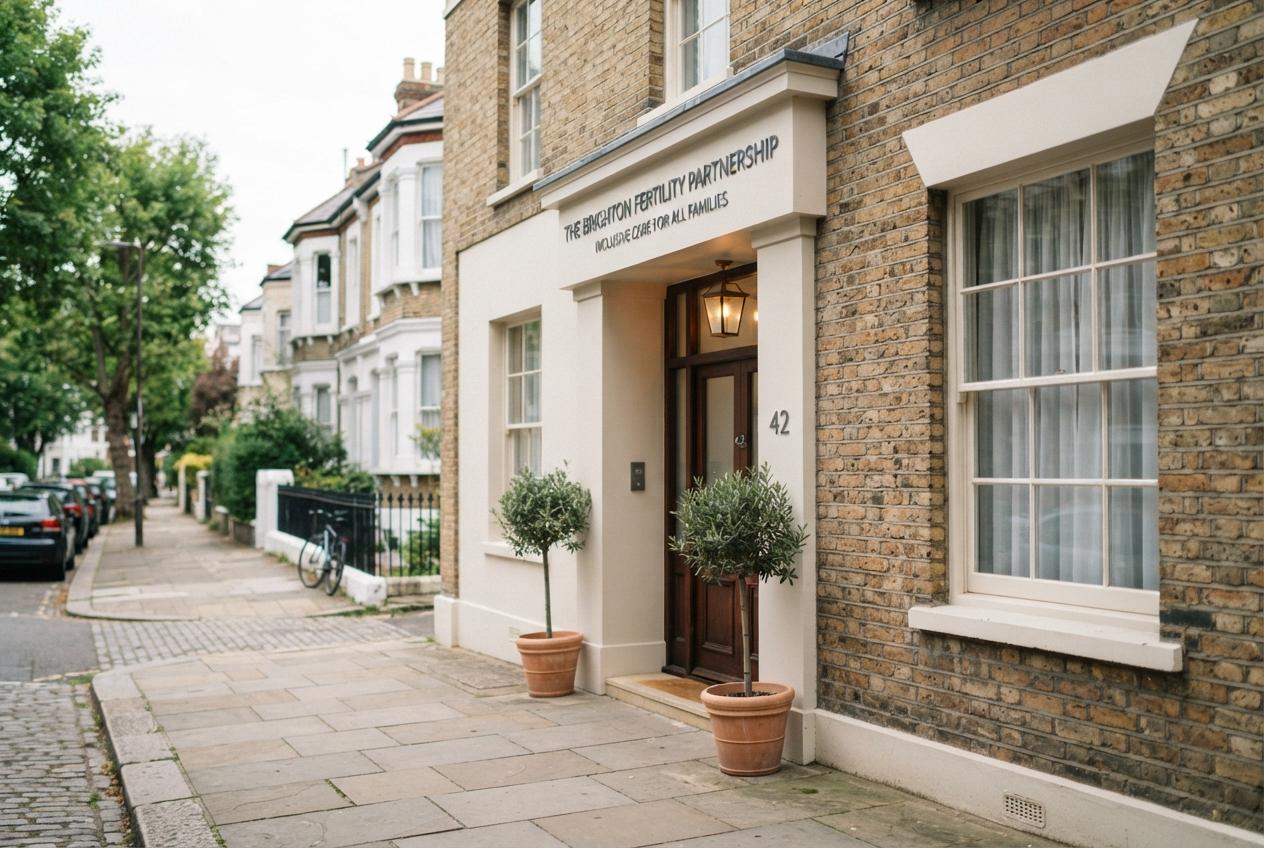
Shoppers of change in healthcare are noticing Brighton’s Agora Clinic after it won the Best LGBTQ+ Patient Experience at the European Fertility Society’s 2026 Fertility Care Awards, a recognition that celebrates two decades of quietly reshaping fertility services for queer and trans families.
Essential Takeaways
- Award-winning approach: Agora Clinic won the Best LGBTQ+ Patient Experience at the European Fertility Society’s 2026 Fertility Care Awards, presented during the ESHRE meeting in London.
- Patient-led model: The clinic says its inclusive systems were developed by listening to patients, reducing barriers and anxiety.
- Wide-ranging support: Services include care for lesbian couples, solo mothers using donor sperm, gay couples (including those with HIV), surrogacy arrangements, and fertility preservation for trans and non-binary people.
- Measurable impact: In 2025, 13% of IVF cycles were for lesbian couples and solo mothers; 65% of intended parents pursuing surrogacy were LGBTQ+; 38 transgender patients received NHS-funded fertility preservation before gender-affirming treatment.
- Independent and family-led: Founded in 2006, Agora remains independent with the founder’s adult children now in leadership roles, preserving its original values and continuity of care.
A proud moment on a London stage , and a patient story behind it
The prize was announced at the European Society of Human Reproduction and Embryology’s annual gathering, and Dr Carole Gilling-Smith admitted she was struck more by the patients the clinic serves than by the trophy itself. That reaction tells you everything: this felt like collective recognition, not just institutional praise. According to coverage of the awards, the accolade honours clinics demonstrating outstanding, inclusive patient experience across Europe.
How listening became a clinical strategy
When Dr Gilling-Smith opened Agora in 2006 there was no ready-made blueprint for truly inclusive fertility care. So the clinic built one the old-fashioned way , by listening. Patients flagged what made them anxious, what made them welcome, and what counted as excellent care. Agora’s team incorporated that feedback into policies, clinic layout, communication and consent processes, which today read as practised, patient-focused steps rather than afterthoughts.
Services that match real family-making needs
Agora’s caseload shows the work translates into real access: lesbian couples and solo mothers accounted for a notable share of IVF cycles, and a large majority of surrogacy-seeking intended parents were LGBTQ+. The clinic also supports gay couples living with HIV and offers NHS-funded fertility preservation for transgender patients before they begin gender-affirming treatment. For prospective patients that matters , it signals practical expertise as well as sensitivity.
Independent, family-led and shaped for continuity
Agora has remained independent and family-run, which can make a surprising difference in healthcare culture. Dr Gilling-Smith’s three adult children now hold leadership roles, helping keep the clinic’s founding values alive while steering next-stage growth. That continuity often means policies don’t flip with changing ownership and the patient-centred ethos sticks.
Why this matters for people choosing a clinic
If you’re looking for fertility care as an LGBTQ+ person, these award cues are useful filters. Look for clinics that demonstrate patient-informed policies, transparent pathways for trans fertility preservation, explicit support for HIV-positive patients, and experience with surrogacy arrangements. Ask about the percentage of patients similar to you, whether staff use inclusive language, and how the clinic handles donor matching and legal counselling.
It's a small but meaningful shift: winning an award is nice, but changing how families feel while they’re being helped is the real prize.
Source Reference Map
Story idea inspired by: [1]
Sources by paragraph: