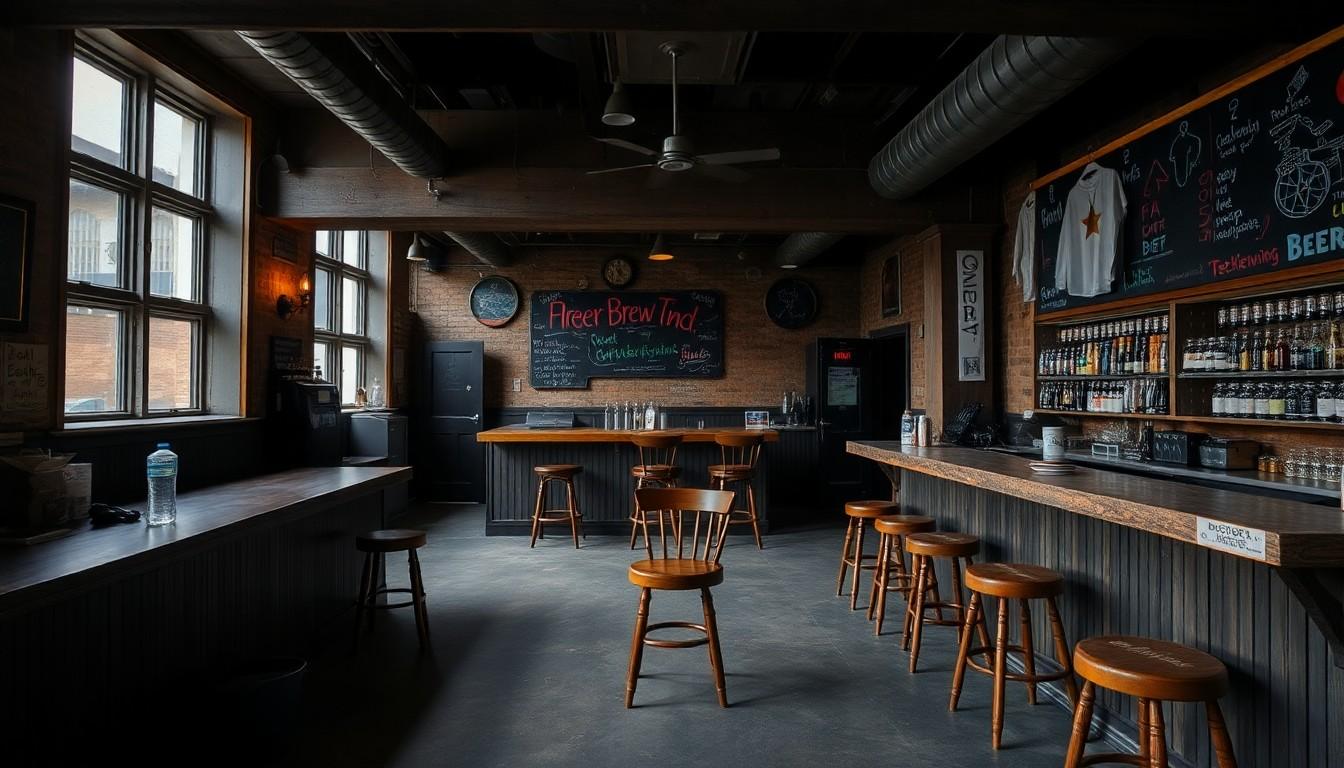
Spot a trend and raise a glass: beer and sparkling producers led by LGBTQ+ founders are carving out joyful, community-minded corners of the drinks world, from Edinburgh’s cupboard-born ales to east London taprooms and Kentish fizz. Here’s what to try, where to find it, and why buying queer-owned booze matters.
Essential Takeaways
- Closet Brewing: Edinburgh-based, queer-owned brewery making vegan, flavour-forward cans with bold names and bright artwork; shop online or check select London and regional stockists.
- Queer Brewing: East London pioneer that built a welcoming taproom and community before announcing closure this July; its legacy includes collaborative and experimental beers.
- Madame F and small English fizz houses: Newer queer-led or allied producers offering English sparkling rosé and fizz , great for summer garden gatherings.
- Taste tips: Look for citrus-forward NZ IPA for summer freshness, mango-lime sour for a tart party sip, and raspberry-forward pink fizz for easy quaffing.
- Practical buy advice: Check social channels for restocks, match beer style to food or mood, and size cans/bottles to avoid waste at parties.
Why choosing queer-owned beer matters (and it tastes good too)
There’s a simple and satisfying reason to opt for queer-owned drinks: you’re voting with your wallet for businesses that make room where space has been scarce. Closet Brewing began literally in a Leith flat cupboard and now bottles a personality-filled lineup of vegan beers. Their citrusy New Zealand IPA and a mango-and-lime sour are playful, bright and built for summer sipping. Beyond flavour, picking these brands helps nurture inclusive scenes and sends a message to the broader industry that diversity sells and strengthens communities.
Closet Brewing: small-batch craft with a big personality
Closet Brewing’s story feels like the classic indie start-up , home-brewing experiments that became something more. Run by Lucy and Lizzie Stevens, the brewery champions vegan beer and approachable flavours, wrapped in eye-catching can art. Expect zesty IPAs and punchy sours that smell citrusy and deliver clean, crisp finishes. If you’re buying for a BBQ, pick their NZ IPA for easy-pairing with grilled food, or the mango-lime sour when you want a tart, playful crowd-pleaser. Follow their Instagram for stock updates at indie bars and markets.
The end of an era: Queer Brewing’s legacy and what it taught the industry
Queer Brewing in east London opened doors , literally and figuratively , with a taproom that doubled as community space and a soundtrack-filled hangout. Founder Lily Waite-Marsden and the team worked to challenge the male-dominated beer world, from branding to brewery collaborations. Although they recently announced they can’t continue, their closure underlines harsh realities for small hospitality businesses. Still, their influence lives on in collaborations, recipes and in the people they inspired to start brewing differently.
Fizz that celebrates queer stories (and tastes great)
Not into beer? Several queer-led or queer-supporting producers are shaking up the sparkling scene. Madame F, launched by wine enthusiast Iain Muggoch, links its fizz and rosé to queer culture and charity giving, and its Kentish sparkling blend shows bright cherry and nutty almond notes , ideal if you want something a bit more grown-up than prosecco. Other small English wineries in places like Walthamstow use local grapes from Kent, Essex and Herefordshire to make limited runs of pink fizz and even sparkling red, which brings cherry and blackcurrant lift to summer platters.
How to shop, serve and support without fuss
Think seasonality and scale: buy smaller packs if you’re trying new cans, and pick bottles when you’re hosting a sit-down meal. For beer, match body to food , light IPAs and sours with seafood and salads, richer beers with barbecue and cheese. For fizz, a raspberry-forward pink is best served chilled with light desserts or tapas. And don’t underestimate social media: these small brewers often announce stockdrops and pop-ups on Instagram stories, so follow them to catch limited runs before they sell out.
What the future looks like for queer drinks businesses
The last few years have shown a surge of queer entrepreneurial energy in drinks, but also the fragility of small-scale hospitality. Financial pressures can close beloved spaces fast, and that’s a call to action: if you love a taproom or a can, buy, champion and recommend it. Expect more hybrid offers too , canned cocktails, low-alcohol options, and cause-led labels that tie purchases to museum projects or community funds. It’s a hopeful mix: inventive products that also build culture.
It's a small change that can make an every‑day drink feel like support and celebration.
Source Reference Map
Story idea inspired by: [1]
Sources by paragraph: