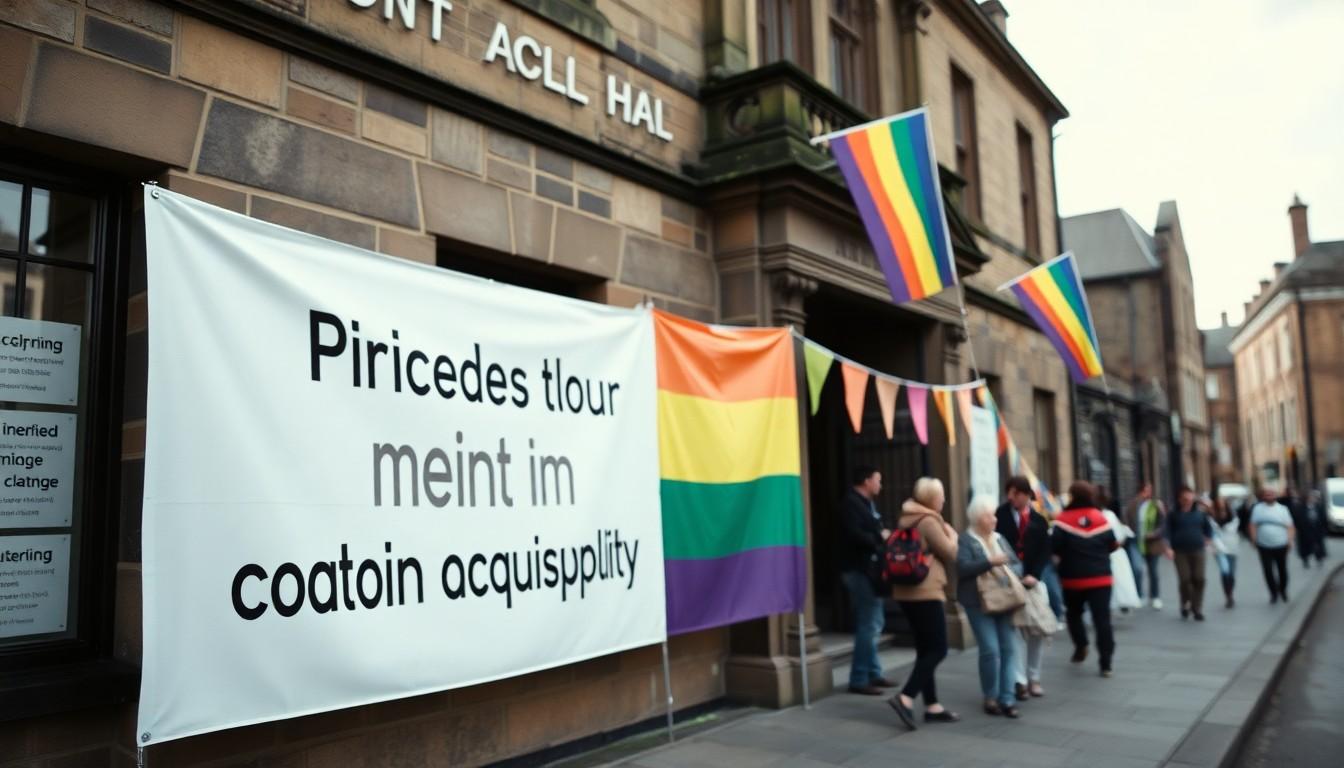
Shoppers, families and long-time campaigners are celebrating Huddersfield’s vibrant Pride revival and urging the new Reform-led Kirklees Council to keep supporting the event; organisers say Pride’s visibility matters locally and want reassurance after flag disputes in other Reform councils.
Essential Takeaways
- Historic celebration: Huddersfield marked the 45th anniversary of its first Pride on 4 July, with organisers calling it one of the most successful in decades, drawing hundreds and lively performances.
- Local organisers hopeful: Campaigners, including Mike Forster, want a strong relationship with the new council and more resources to grow Pride in 2027.
- Regional context: Several Reform-led councils elsewhere have sparked controversy by changing flag policies or removing Pride flags, creating concern in Kirklees.
- Why it matters: Public displays like flag-flying are seen as symbolic support for equality and community safety, not token gestures.
- Practical ask: Organisers plan to press the council for clear commitments and funding to secure future events and outreach.
Huddersfield’s Pride felt alive again , and organisers noticed the buzz
This year’s Huddersfield Pride, held to mark 45 years since the town’s first event, had the sort of upbeat, communal energy that organisers dream about, with bands, stalls and a remembrance march drawing a crowd. Campaigner Mike Forster described it as one of the most successful events in decades, and anyone who walked the route would have felt the music and colour buzzing through the town. That kind of atmosphere matters because it signals to LGBTQ+ people and allies that Huddersfield is a place where they’re visible and welcome.
New Reform-led council prompts questions, not panic
The election of a Reform-led council and Cabinet in Kirklees, headed by Cllr Sarah Wood, has left organisers seeking reassurance rather than assuming the worst. Mike and others say they want to build a “good relationship” with the new leadership and ask for continuity of support. It’s a sensible approach: engagement first, protest later, and a clear ask for resources and guarantees to protect Pride’s future.
Why flags and policy elsewhere have raised alarm bells
Across the region and beyond, other Reform-led councils have made decisions around flags that campaigners view as hostile. Councils have either taken Pride flags down or moved to tighten flag-flying policies, prompting headlines and community pushback. Those moves have become shorthand for wider debates about symbolism, representation and whether councils should visibly endorse Pride events , which is why local organisers are understandably vigilant.
What organisers will likely ask for , and what the council can do
Practical requests are likely to include explicit commitments to fly the Pride flag during key dates, modest grants or in-kind support for staging the event, and a simple point of contact within council services. From a campaigning point of view, those are low-cost measures with high symbolic value: a flag on a civic building, a small grant or a named officer all make it easier to plan confidently. Councils that take these steps demonstrate they value inclusion without complex policy wrangling.
How residents and businesses can help Pride thrive
If you’re a local business or resident who enjoyed the day, there are easy ways to increase its staying power: donate time or cash, offer in-kind services like sound or staging help, or display Pride stickers and banners in windows. Small gestures create a visible network of support that goes beyond council decisions. And for those worried about political arguments, community backing often proves more durable than headline-grabbing policy changes.
It's a small change that can make every Pride celebration safer, louder and more welcoming.
Source Reference Map
Story idea inspired by: [1]
Sources by paragraph: