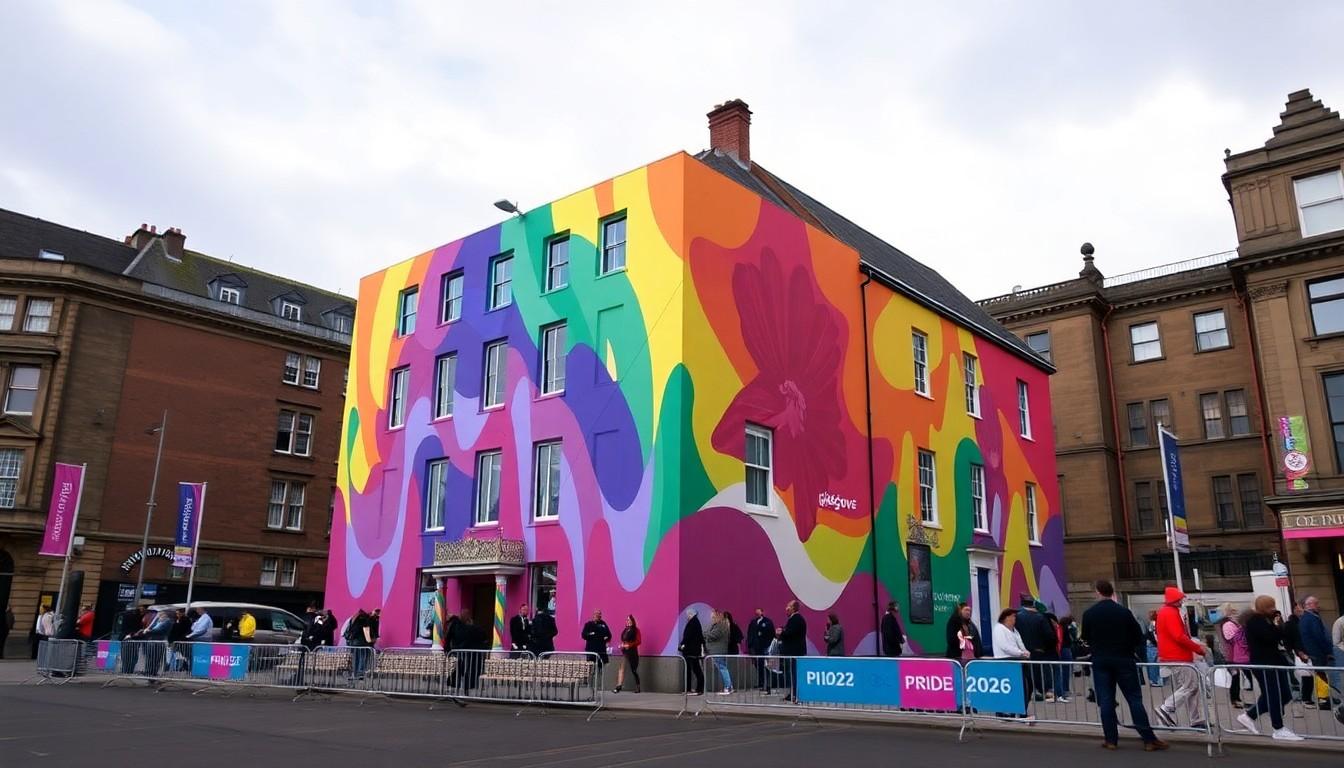
Shoppers of spectacle and sport are flocking to Glasgow as the compact, streamlined Commonwealth Games open , and while the programme is smaller, LGBTQ athletes are still here to make noise, win medals and push visibility across a diverse Commonwealth. Here’s who to watch and why it matters.
Essential Takeaways
- Smaller Games, big moments: Glasgow 2026 has a pared-back 10-sport programme but will still host more than 3,000 athletes from 74 teams.
- Visibility is stretched: Cuts to team sports mean fewer out competitors overall, yet several high-profile LGBTQ athletes remain poised to shine.
- Local inclusion efforts: Organisers have a Pride House, an out gay CEO and a unicorn mascot that symbolises inclusivity and community.
- Watchlist highlights: From sprinting to wheelchair basketball and boxing, established stars and rising talents are competing for medals.
- Why it matters: Many Commonwealth nations still criminalise same-sex relationships, so out athletes at Glasgow carry social as well as sporting weight.
A compact Games with a loud representation message
Glasgow 2026 feels sleek and efficient , a Games built to fit the city rather than the other way round, and that has a sensory effect: venues are close, crowds are concentrated and the atmosphere can feel intimate and electric. Organisers trimmed the programme from 20 sports in Birmingham 2022 to 10 this year, which makes for fewer days of drama but also means some of the team events that previously showcased many out athletes aren’t here. Outsports has tracked the numbers and notes a clear drop in the roster of publicly out competitors compared with the explosive visibility after Birmingham, yet the athletes who are here are using the platform deliberately. For fans, the takeaway is simple: schedule your must-see sessions early, because every match and heat matters more now.
Who’s bringing experience , and personality , to the track and field
Veterans such as Gabriela DeBues-Stafford arrive in Glasgow with pedigree and rhythm; the Canadian middle- and long-distance runner has come back from injury and brings a calm, confident presence to the 5,000m. On the men’s side, England’s flamboyant 400m hurdler Derbyshire mixes showmanship with serious potential, and his candid talk about performance anxiety humanises the high-stakes world of elite athletics. These athletes provide contrast: one quietly steady and record-minded, the other a charismatic presence whose pre-race flair makes for great theatre. If you’re choosing sessions, pick the sessions where form meets story , that’s often where the headlines are made.
Wheelchair basketball and para sport: home favourites and intimate atmospheres
Adaptive sport has its own rhythm, and Glasgow’s compact layout means wheelchair 3×3 basketball will likely draw vocal, up-close crowds. Scotland’s Robyn Love and England’s Lucy Robinson bring Paralympic experience and community-facing profiles; Love’s intersectional advocacy and Robinson’s teaching background add depth to their on-court roles. Pride House Glasgow will be a meeting point for fans and athletes, offering a warm, social backdrop where conversation can turn to access and inclusion as easily as match tactics. For newcomers, arrive early: sightlines are great, and the noise is part of the experience.
Boxing, history and family stories in the ring
Northern Ireland’s featherweight Katie Taylor-style narrative is echoed in the career of Kellie Walsh , a decorated boxer who balances elite results with a visible personal life and family support. Her Commonwealth record marks her as a medal contender and a narrative anchor for viewers who like sports that carry generational stories. Boxing in Glasgow will feel visceral and close; the discipline’s mix of personal sacrifice and public triumph makes it one of the event’s emotional centres. If you enjoy sport that’s both raw and strategic, squeeze a session into your schedule.
Sprinters, motherhood and multi-Games legacies
Shaunae Ahye from Trinidad & Tobago brings that classic sprint championship energy , a former Commonwealth gold medallist who returns with the additional layer of recent motherhood and family life. These human details change how you watch a race: it’s no longer only about hundredths of a second, it’s about context and comeback. Lowri Thomas for Wales offers a fresher sprinting arc, a rising specialist in the velodrome who doubles as a young athlete on an upward trajectory. Together, the sprinters illustrate a broad theme at Glasgow: career arcs are varied, and the Games are where established stars and hungry newcomers meet.
Why representation at Glasgow still matters beyond medals
The Commonwealth is a complicated political and cultural space: while Glasgow hosts a Pride-friendly festival atmosphere, many member nations still criminalise same-sex relationships, sometimes harshly. That’s the real-world backdrop to every out athlete’s appearance at these Games. Glasgow’s Pride House and visible leadership , including an openly gay CEO who has spoken about safety and inclusion , are more than symbolic; they’re practical steps that create safer spaces for athletes and fans. For viewers and supporters, cheering for Team LGBTQ at Glasgow is both a sporting choice and a quietly political one.
It's a small change that can make every appearance count.
Source Reference Map
Story idea inspired by: [1]
Sources by paragraph: