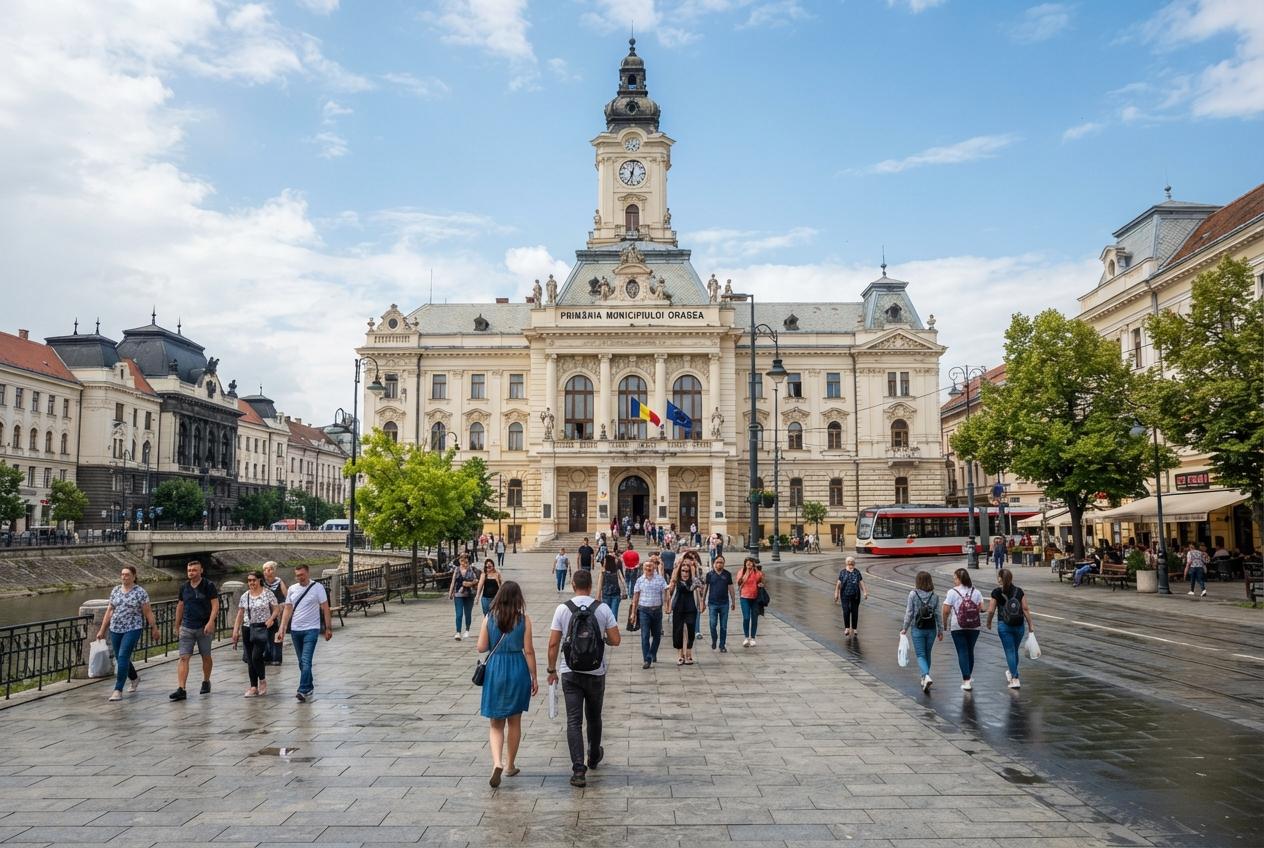
Shocked residents and activists say Oradea’s repeated bans on Pride reveal a worrying pattern; organisers insist the march will go ahead despite authorities citing “good morals”, drawing international attention and diplomatic monitoring for what they call systemic discrimination.
Essential Takeaways
- Four-year pattern: Organisers say Oradea has blocked Pride for four consecutive years, rejecting more than 100 proposed routes.
- Legal steps taken: NGOs filed notifications at the earliest legal moment and plan to pursue remedies, including international courts.
- Diplomatic eyes: Nine diplomatic missions and the Ombudsman will monitor events on the ground to prevent abuses.
- International solidarity: Over 150 organisations from 30 countries have issued statements backing Pride and condemning restrictions.
- Emotional tone: Activists describe the municipal argument about “good morals” as stigmatising and archaic, creating a sense of exclusion.
What happened , a ban dressed up as “good morals”
City officials in Oradea again refused permission for the local Pride march, citing respect for “bunele moravuri” , a phrase that translates as good morals. The decision landed like a splash of cold water for organisers, who say they met every legal requirement and offered more than 100 alternative routes, all turned down. The language used by the municipality feels old-fashioned and, to many, deliberately shaming.
According to local coverage, organisers lodged their notification as soon as the law allowed and received a blanket refusal. That procedural thoroughness strengthens their case when they take the dispute into courts or to international bodies, and it helps explain why the story has rippled beyond Romania.
Why activists call it institutionalised homophobia
Leaders from Ark Oradea and ACCEPT argue this isn’t a series of bureaucratic missteps but a pattern of differential treatment with discriminatory effects. They say invoking “good morals” to limit visibility of LGBTQIA+ people mirrors debates from decades ago, when the very right to exist openly was contested. That framing moves the dispute from a local nuisance into a constitutional and human-rights issue.
Organisers and lawyers point out that systematic route refusals, year after year, look less like risk-management and more like a deliberate strategy to keep Pride out of the public eye. For communities used to carving out space for identity, that feels personal and political.
International pressure and on-the-ground monitoring
This dispute hasn’t stayed local. More than 150 civil-society groups from around 30 countries issued statements in solidarity, and ILGA-Europe joined the chorus. The Council of Europe’s Commissioner for Human Rights expressed concern, and members of the European Parliament urged Romania’s authorities to uphold fundamental rights.
To make sure no rights violations occur, representatives from nine diplomatic missions accredited to Romania and members of the Ombudsman’s office plan to be present in Oradea. Having foreign envoys watch proceedings raises the political stakes and signals that municipal decisions are being scrutinised beyond city hall.
Legal routes: domestic courts and beyond
Organisers have several practical paths. They can challenge the municipal refusals in national courts and they’ve signalled readiness to take the case to the European Court of Human Rights if domestic remedies fail. Previous coverage notes similar litigation is already in motion, and human-rights groups view strategic litigation as a useful lever.
If the case reaches Strasbourg it would test whether repetitive municipal refusals amount to a breach of rights to assembly and non-discrimination. That outcome would matter beyond Oradea, because it would set precedent for other cities facing similar disputes.
What this means for citizens and visitors
For LGBTQIA+ residents and supporters, repeated bans signal a narrowing civic space and a practical barrier to visibility and safety. For tourists and foreign missions, it has become a diplomatic flashpoint that can alter perceptions of the city and the country. Practically, anyone planning to attend should follow official channels and organisers’ updates, look out for monitoring teams, and be prepared for last-minute changes.
If you’re an ally, consider showing solidarity by sharing verified updates from organisers and supporting legal defence funds if appeals are launched. For residents, engaging with local councillors and asking for transparent criteria for public-event approvals can push the conversation toward accountability.
It's a small detail of language that reveals a lot: when “good morals” are used to limit who may be visible in public, the consequences are civic, legal and deeply personal.
Source Reference Map
Story idea inspired by: [1]
Sources by paragraph: