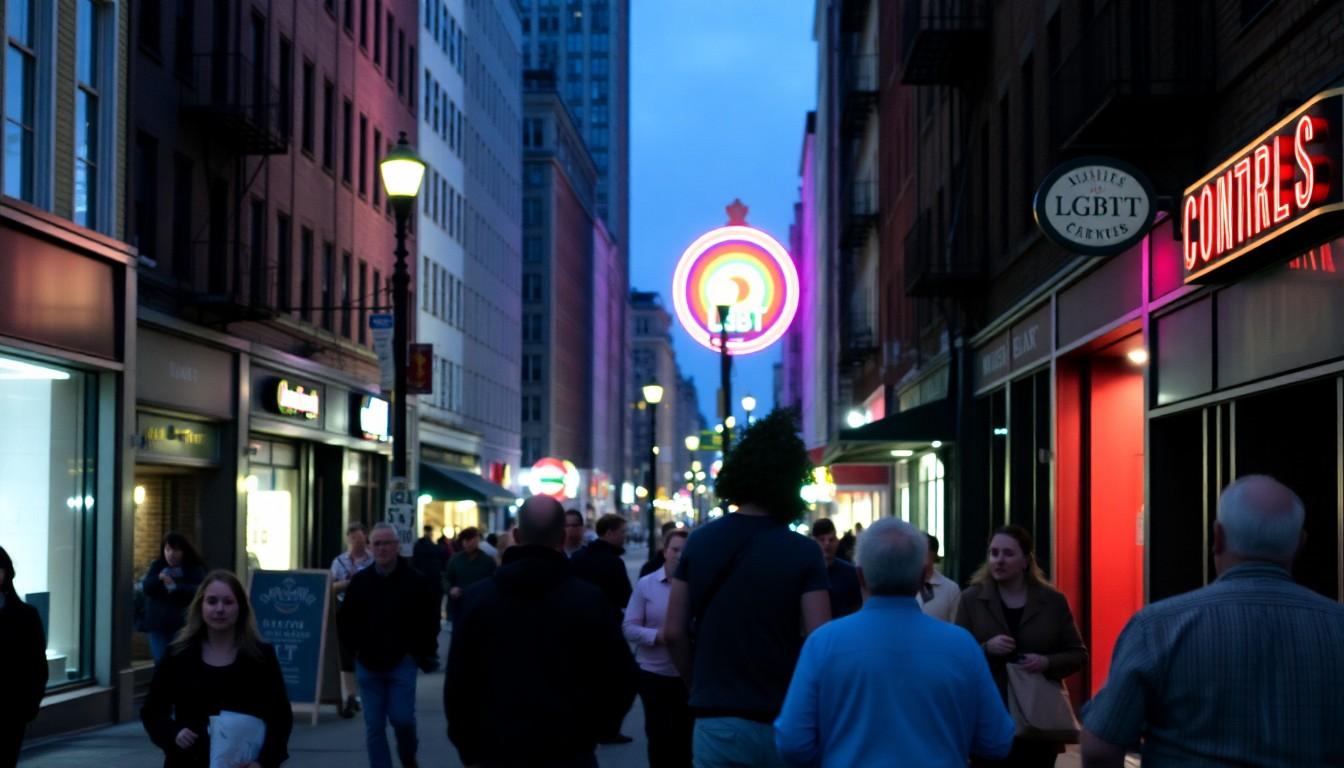
Shoppers, commuters and community groups are already talking about the Greater Manchester mayoral by-election on 30 July , a moment that matters for local services, transport and LGBT+ inclusion. If you're voting, here's what to know about the hustings, ID rules, and how to use your two-preference ballot.
Essential Takeaways
- When: Polling day is 30 July; you can mark a first and second preference on the ballot.
- Photo ID deadline: Apply by 5pm on Wednesday 22 July for free voter ID if you don’t have suitable identification.
- Hustings attendance: Liberal Democrat, Labour and Green candidates attended the LGBT+ hustings; other ballot candidates did not.
- Bi visibility: A question on bisexual engagement was submitted but not asked at the Canal Street event, highlighting ongoing representation concerns.
- Practical tip: Check the official Greater Manchester and Manchester City Council pages for polling locations and registration reminders.
Opening hook: what happened at the Canal Street hustings and why it felt flat The LGBT+ hustings on Canal Street drew a neat turnout of candidates and community members, but the room felt quieter than it should have. Liberal Democrat, Labour and Green hopefuls were present and spoke on stage, while several other parties and an Independent on the ballot chose not to attend, which left some voters frustrated and a few questions unanswered.
Backstory and context: how this election came about This by-election follows Andy Burnham’s move into Parliament and the subsequent vacancy for Greater Manchester mayor. Local interest has spiked because the mayor has influence over transport, housing and public services , all issues that matter to LGBT+ communities, especially around safety and inclusive services. According to local election notices, candidates were announced and the clock is ticking on registration and ID rules.
Two preferences explained: use them, and use them wisely Unlike a single-choice ballot, the mayoral by-election lets you record up to two preferences. That means if your first-choice candidate is eliminated, your second choice can still count. It's a simple way to avoid “wasted” votes and to back a realistic runner-up without losing your ideal pick. For tactical voting, think about which candidates share values you care about and which one you’d accept as mayor if your top pick doesn't make it.
ID and practical voting logistics , deadlines you can't miss If you don't hold suitable photo ID, you'll need to apply for a free voter ID by 5pm on Wednesday 22 July to be able to vote on 30 July. Manchester City Council and Greater Manchester election pages set out polling arrangements and how to get help if you need it. Polling places can change, so double-check before you set off, and allow extra time if you're collecting ID or arranging a postal vote.
Representation matters: the bi question that wasn't asked Someone from the community submitted a question about bisexual engagement , a relevant issue, given recent local controversies around recognition of bisexuality in council policy. The question wasn't put to the candidates at the hustings, which left some attendees feeling overlooked. It’s a reminder that hustings shape the public conversation and that organisers and candidates alike should make space for intersectional concerns.
How to prepare and make your vote count Register to vote if you haven't already, check your polling station, and sort photo ID if needed. If you can, attend local hustings or read candidate statements at official sites so you know not just who to prefer first, but who you'd accept as second. Engage friends and networks , word of mouth and local groups still move turnout.
Looking ahead: why this election matters for everyday life The mayor sets priorities that affect daily routine , the bus routes you use, funding for youth services, and how councils handle hate crime and inclusion work. So the choice on 30 July is less abstract than it seems. A good turnout from LGBT+ voters could push candidates to prioritise inclusive policies next term.
It's a small act with tangible consequences , make sure your voice is in the room.
Source Reference Map
Story idea inspired by: [1]
Sources by paragraph: