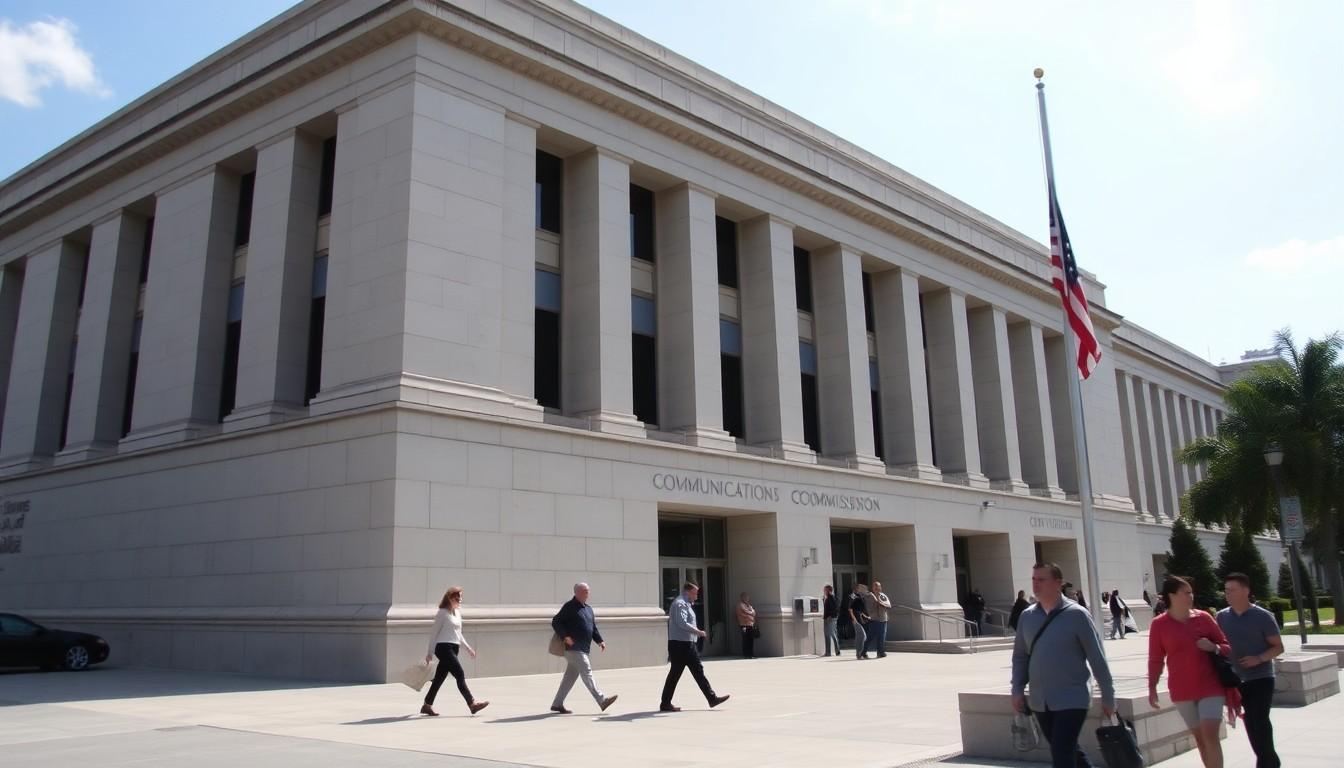
Watchers are speaking up as the US Federal Communications Commission asks whether shows with transgender or non-binary themes should carry extra content descriptions , a move that could reshape how parents, creators and broadcasters treat gender identity on television and why it matters for free expression.
Essential Takeaways
- FCC inquiry: The Media Bureau opened a public notice asking whether TV-Y, TV-Y7 and TV-G programmes should include descriptions or different ratings when they depict gender identity.
- Industry system: The TV Parental Guidelines are voluntary and industry‑run; the FCC can review but doesn’t normally assign ratings itself.
- Public response: Thousands of public comments overwhelmingly opposed singling out LGBTQ+ themes, with many unique, individually written submissions.
- Advocates’ view: LGBTQ+ groups warn targeted warnings would stigmatise queer identities and risk government interference in storytelling.
- Practical effect: No formal rule has been proposed yet; the inquiry could lead to recommendations, regulation, or nothing at all.
What the FCC is actually asking , and why it feels urgent
The simple fact is the Media Bureau has launched a public inquiry, not yet a rulemaking, to ask whether existing ratings give parents enough information when programmes touch on gender identity. That makes the moment feel provisional but politically charged. According to reporting, the notice singles out TV-Y, TV-Y7 and TV-G categories and asks whether those labels should carry “relevant descriptions” when transgender or non-binary themes appear. For parents who want clear guidance that may sound reasonable, but advocates say it frames queer identities as something to be warned about.
Why broadcasters and creators are nervous
Under the current voluntary TV Parental Guidelines, the industry handles ratings and descriptors for violence, language and sexual situations; there’s no LGBTQ+ or gender‑identity tag. The FCC can evaluate whether that voluntary system meets legal standards and could push for changes. Producers and writers worry any extra label aimed at LGBTQ+ themes would chill storytelling, steering creators away from inclusive narratives or prompting self‑censorship. That tension between parental information and creative freedom is at the heart of the pushback.
The avalanche of public comments , what they show
Advocacy groups that analysed the comment record found broad opposition. One tally showed roughly four‑to‑one or greater margins against adding specific warnings for transgender content, and a striking share of opposition comments were uniquely written rather than templated. That pattern suggests grassroots resistance rather than just organised campaigns. It’s worth noting some supportive comments duplicated identical language, which shapes how regulators read public sentiment.
Civil liberties and press groups warn of censorship risks
Free‑speech and writers’ organisations have joined LGBTQ+ advocates in objecting. They argue that singling out gender identity treats ordinary representation as controversial and opens the door to government influence over cultural expression. Those concerns aren’t just abstract; they reflect years of fights over content and the long shadow of prior attempts to label or restrict material deemed “inappropriate.” If the commission moves from inquiry to rules, it may set a precedent that stretches beyond one category of programming.
Practical questions parents and viewers should ask now
If you’re a parent, broadcaster or simply a viewer who cares, there are practical angles to weigh. Ask what you actually want from ratings , more granular tags, flexible parental controls, or better media literacy for kids? Industry oversight bodies could add clearer guidance without federal rules, or platforms could offer customisable filters. Meanwhile, creators might label content voluntarily to reassure audiences without prompting regulation.
It's a small change in wording that could have big cultural consequences; watch how the public record and industry responses shape what happens next.
Source Reference Map
Story idea inspired by: [1]
Sources by paragraph: