Shoppers, students and families are planning weekends around Mainz’s colourful CSD week; organisers promise a week of drag shows, a Pride parade and open-air political festival that’s aimed at visibility, solidarity and safe celebration for everyone in the city.
Essential Takeaways
- Big parade: A city-centre demonstration starts at Fischtorplatz at 13:00 and usually draws several thousand people.
- All welcome: The event is explicitly for LGBTQ+ people and allies who want to protest discrimination and celebrate diversity.
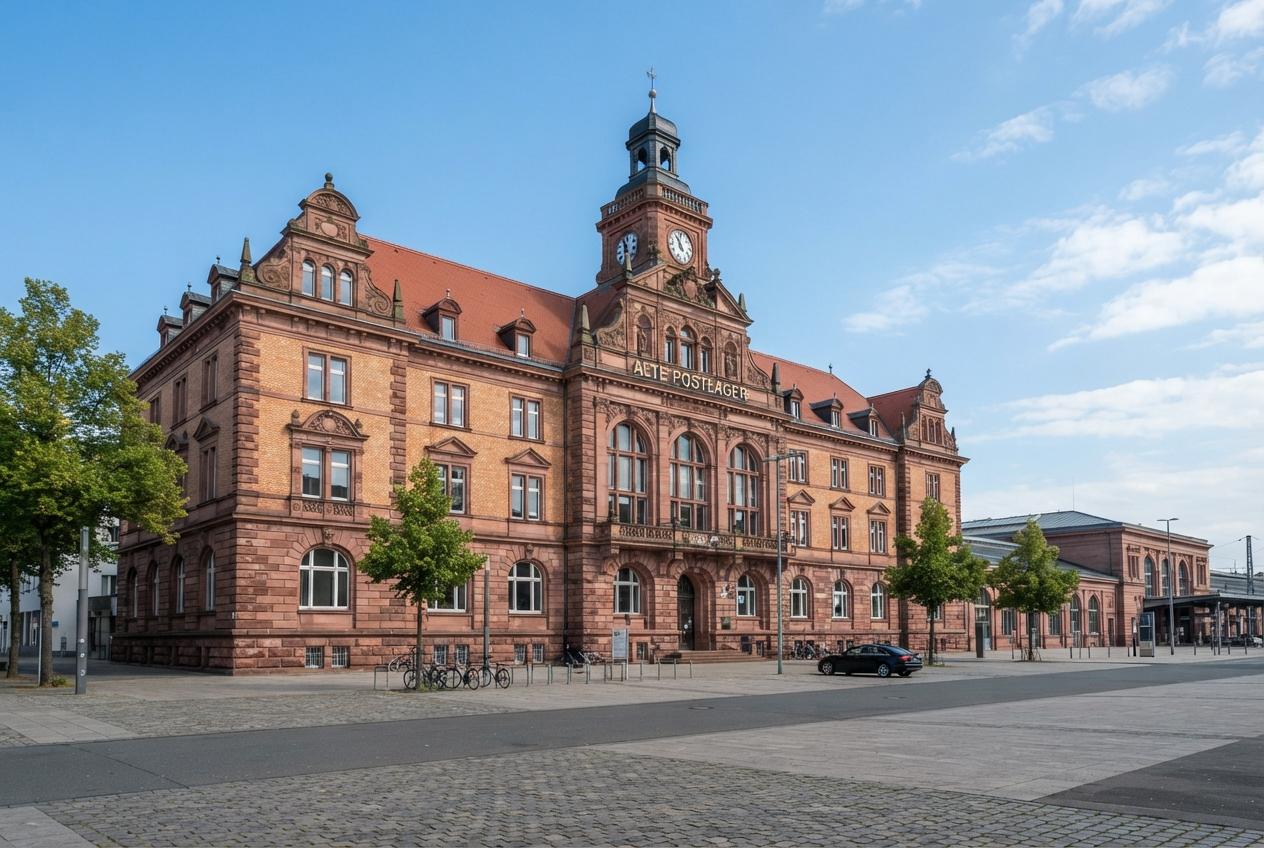
- Evening events: Post-Parade festival on the Malakoff-Terrasse followed by clubbing at the Alte Postlager (ticketed, about €20).
- Culture and politics: Week-long “Sommerschwüle” mix includes a drag show, readings and an ecumenical service , lively and reflective.
- Safety context: Organisers and local leaders stress solidarity amid wider concerns about queer safety in Germany.
Opening Hook: Why the week feels important
Mainz’s CSD has grown into a week that looks and sounds like summer , bright banners, a steady hum of electronic beats and the human warmth of people cheering one another on. According to the local organisers, it’s not just a party; it’s a visible stand for an open, democratic city, and it matters now more than ever as queer communities around Germany reckon with safety concerns and political debate.
Backstory and what “Sommerschwüle” means
The festival traces back to 1993, when a small celebration in the Alte Ziegelei became a civil-rights-minded cultural week. Over the years it’s broadened into a programme that balances protest and performance: a daytime Pride parade, information stalls and a political open‑air festival, then more intimate cultural occasions like readings and community services. The organisers describe the week as a blend of celebration and civic duty , a familiar mix at many German CSD events.
The Pride Parade: route, vibe and who shows up
The parade begins at Fischtorplatz and winds through Rhein- and Quintinsstraße into the Bleichenviertel, then past Münster- and Schillerplatz to Ludwigsstraße. It’s the highest-profile moment and the one that attracts thousands; expect a joyful, colourful march, chants for equal rights and friends hugging in the sunshine. People who are lesbian, gay, bi, trans, intersex or non‑binary will be joined by allies , anyone opposed to discrimination. If you want to join, wear comfortable shoes, bring water and leave bulky bags at a nearby locker if you can.
Street festival and the Malakoff-Terrasse
After the march the Malakoff-Terrasse turns into a political street fair: stalls, food, local groups handing out flyers and a stage with speeches and performances. The mood is festival-like but grounded , you’ll find campaigning organisations alongside DJs and small vendors. It’s a good spot to catch up with friends, learn about local services and support queer initiatives with small donations or purchases.
Nightlife and ticketed clubbing at Alte Postlager
When the daytime programme winds down, the celebrations don’t stop: the Post Pride Clubbing moves the party into the Alte Postlager with three floors of music , house, techno and pop , and a queer-friendly dance floor that traditionally runs late into the night. Tickets are required and cost roughly €20 for the main club night; the Friday drag show in the same venue has separate entry. Buy tickets early online if you prefer to avoid queues at the door.
Culture, community and faith , the quieter moments
The week deliberately includes quieter, reflective events: readings, conversations and an ecumenical CSD service for those who want a faith-based space to celebrate and mourn. Including a church service recognises that the community isn’t monolithic , some attendees want both protest and pastoral time. It’s a humane reminder that Pride is about people, not just politics.
Safety, context and what to watch
Organisers are clear about making the week safe and welcoming, especially after reports around Germany of increasing anxieties in queer communities. Local media and public broadcasters have covered similar gatherings elsewhere, where large crowds and security measures have been necessary in recent years. If you’re attending, travel in groups where possible, note the locations of first-aid tents and follow any guidance from stewards.
How to make the most of it
Plan a flexible day: arrive early to spot the best parade viewpoints, bring sun protection and a small cash stash for stalls. If you want quieter spaces, look for daytime panels or the readings rather than the main march. For those travelling from nearby cities, check regional transport options and the event’s official pages for ticket and timing updates.
It’s a small change that can make every moment feel safer and more joyous , and Mainz’s Sommerschwüle promises both celebration and civic purpose.
Source Reference Map
Story idea inspired by: [1]
Sources by paragraph: